Australian Terrier as a Service Dog
Register Any Breed
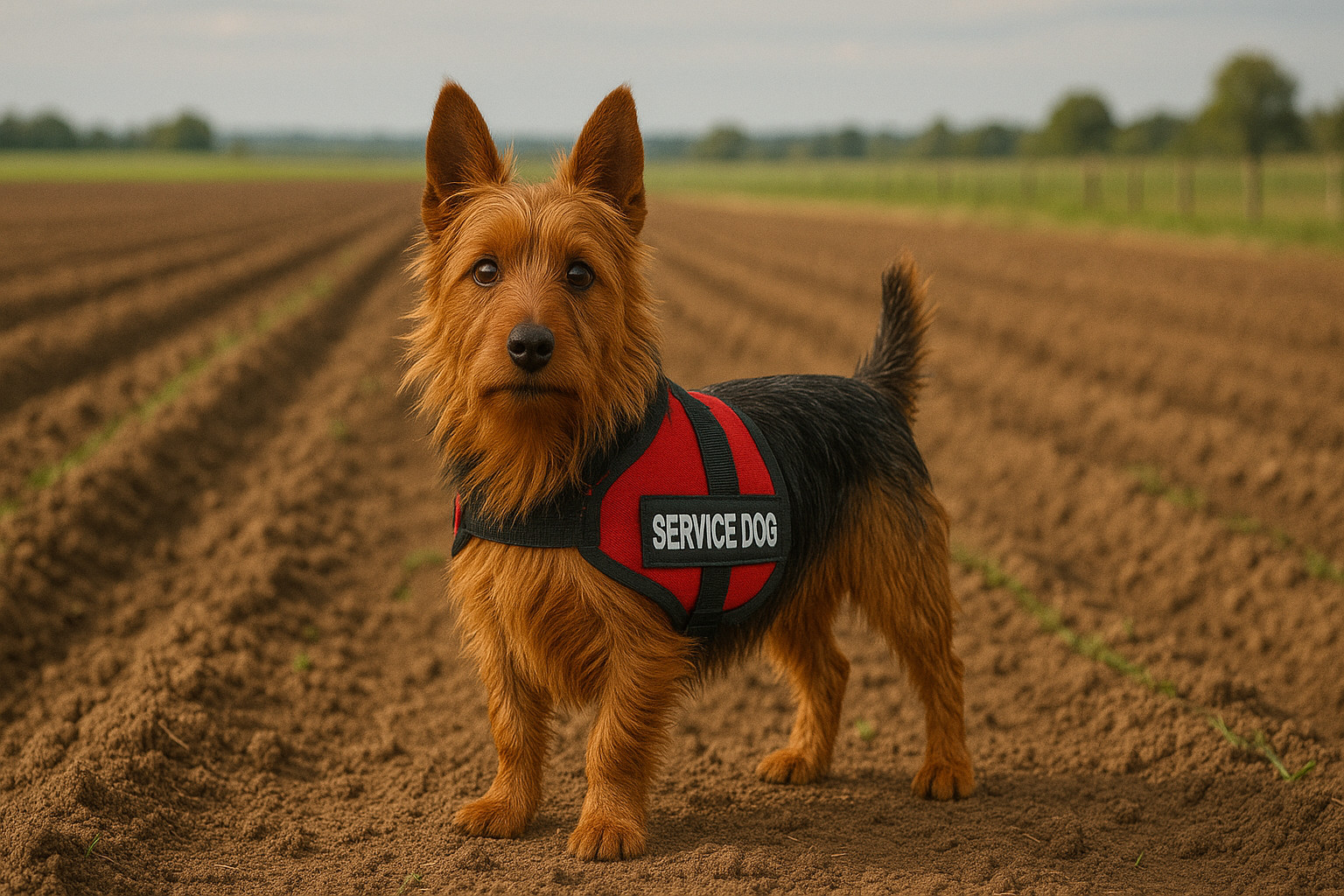
The demand for service dogs has grown exponentially in recent years, leading individuals to explore various breeds for their unique attributes and potential in assisting humans. Among these, the Australian Terrier is a lesser-known candidate. Historically recognized for its agility and tenacity, this breed possesses qualities that can make it a valuable service companion. This article delves into the Australian Terrier's suitability as a service dog, exploring its physical characteristics, temperament, types of service work it can engage in, health considerations, training adaptability, and more.
Australian Terrier Overview
Physical Characteristics
The Australian Terrier is a small yet sturdy breed, typically weighing between 15 to 20 pounds and standing about 10 to 11 inches tall at the shoulder. Its compact size makes it versatile for indoor environments, easily fitting into urban lifestyles where larger dogs might find challenges. The breed features a double coat that is weather-resistant, comprising a soft undercoat beneath a rough, longer topcoat. This robust fur provides minimal grooming needs while offering protection against varying weather conditions — a benefit for service dogs required to accompany individuals outside frequently.
Additionally, the Australian Terrier's strong build and agile nature make it adept at maneuvers needed in service work. Despite its small size, its muscular body supports agility and endurance, crucial attributes for tasks requiring physical engagement.
Temperament and Attitude
The Australian Terrier is known for its spirited and friendly disposition. Generally, these dogs exhibit a cheerful attitude that is both compelling and reassuring, making them excellent companions for individuals needing emotional or psychological support. Their alertness is beneficial in identifying changes in their environment, which is critical for certain types of service work, such as medical alerts.
However, like many terriers, they can display a strong-willed and independent nature. While this independence can sometimes challenge training, it also means they are capable problem-solvers and adapt well to routines and commands when properly trained.
In public or stressful environments, Australian Terriers maintain composure and focus, provided they have undergone thorough training. Their natural curiosity also offers stimulation that enhances their work as service animals.
Types of Service Work
Australian Terriers, despite their size, can excel in various service roles due to their alertness and affability. They are particularly well-suited for:
Register Any Breed
- Medical Alert: Their acute sense of smell and attentiveness enables them to detect physiological changes in their handlers, such as shifts in glucose levels for diabetics or impending seizures.
- Psychiatric Support: Their consistent, calming presence and loyalty make them ideal for individuals dealing with anxiety, PTSD, or depression. They offer comfort and can be trained to provide grounding during episodes of emotional distress.
- Emotional Support: While technically not classified as service dogs under the ADA, the affectionate nature of Australian Terriers makes them exceptional emotional support animals, offering companionship that can ease loneliness or anxiety.
- Hearing Support: Their attentiveness to sounds makes them suitable for assisting individuals with hearing impairments, alerting them to alarms, doorbells, or other signals that require attention.
Though not typically used for mobility or physical support due to their size, their versatility in other areas underscores the diverse capabilities of this breed.
Health Considerations
While generally healthy, Australian Terriers are predisposed to certain genetic conditions that might impact their role as service dogs. Common health issues include:
- Patellar Luxation: A common condition in small dogs where the kneecap dislocates, possibly affecting mobility.
- Legg-Calve-Perthes Disease: A hip joint disorder that can lead to lameness, it requires monitoring and potential treatment to ensure the dog’s ability to perform service tasks effectively.
- Hypothyroidism: This condition can affect energy levels and weight, requiring management through medication and diet.
Routine veterinary care and screenings are essential to maintain their health and prolong their efficacy as service animals.
Training and Suitability
Training the Australian Terrier demands patience and consistency, given their independent nature. Their intelligence is a boon, allowing them to grasp commands and tasks effectively. Training should begin early to set clear expectations and socialization norms.
Positive reinforcement techniques work best, promoting willingness and eagerness to work. While their independence might pose initial challenges, it also means they are natural learners with the right motivation. Their energy levels require regular exercise and mental stimulation, which can be incorporated into their training regimes for more effective learning.
They thrive under handlers who can provide a structured yet flexible training regimen, adapting over time as the dog’s skills and responsibilities evolve.
Summary of Australian Terrier
In essence, the Australian Terrier possesses several qualities that can make it a suitable service dog for specific needs, particularly in areas requiring alertness, companionship, and support.
Key Strengths:
- Adaptable to various environments due to size and coat
- Friendly and loyal temperament suitable for emotional and psychological support
- High intelligence and willingness to learn with appropriate motivation
- Adequate agility and endurance for service tasks
Key Weaknesses:
- Independent nature can challenge initial training phases
- Certain health issues may affect their longevity as service animals
Ideal Service Roles:
- Medical alert for conditions like diabetes or seizures
- Psychiatric assistance for anxiety or PTSD
- Emotional support with strong companionship traits
- Hearing support linked to their alertness to auditory cues
The Australian Terrier, while not the traditional choice for service work, offers a unique combination of traits valuable in particular service contexts, especially where alertness, energy, and affection are paramount.


-
Public Access Kits
$149.00 Learn more This product has multiple variants. The options may be chosen on the product page -
Quick Ship Premium Vests
$48.00 – $82.00 Learn more This product has multiple variants. The options may be chosen on the product page -
Service Dog Bandana
$39.95 Learn more This product has multiple variants. The options may be chosen on the product page
Custom ID Cards

Custom ID Cards
Custom Service Dog Tags
Official Dog Vests
Smart Vests
Official Public Access Kits
Complete Kits
USA & CANADA Letters
High Quality Bandanas
Service Dog Tags
Smart Tags

ESA TAGS