Collie as a Service Dog
Register Any Breed
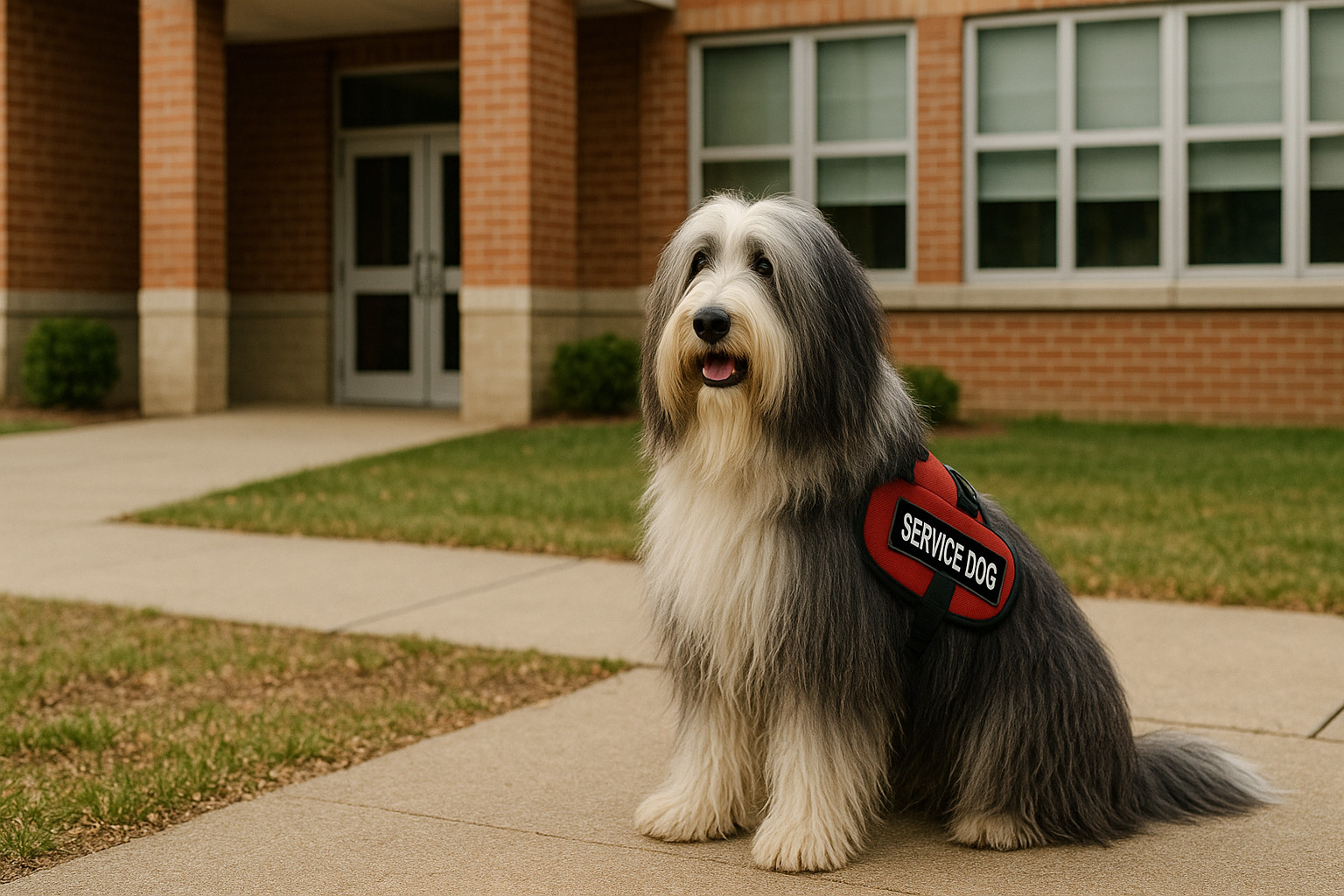
Service dogs are indispensable companions for individuals requiring assistance due to physical or mental health challenges. Among the potential breeds for this critical role, the Collie stands out due to its intelligence, adaptability, and friendly nature. This article provides a comprehensive analysis of the Collie as a service dog, encompassing its physical attributes, temperament, suitability for specific service tasks, health considerations, and training capabilities.
Collie Overview
Collies have long been admired for their stunning appearance and herding skills. Originating in Scotland as a herding dog breed, the Collie today is known for its grace, agility, and reliable disposition, making it a potential candidate for a service dog role.
Physical Characteristics
The Collie's physical characteristics play a significant role in its suitability for service work. Collies are medium to large-sized dogs, typically weighing between 50-75 pounds, making them strong enough for certain mobility tasks. They possess long, athletic bodies, enabling them to move gracefully and perform physical tasks with ease. Collies come in a variety of colors, including sable, tricolor, blue merle, and white, with a dense double coat that requires regular grooming.
Key Physical Features Beneficial for Service Work:
- Size and Strength: Suitable for mobility assistance but may not support heavy weight-bearing tasks.
- Athletic Build: Ideal for active service roles requiring physical agility.
- Coat Type: Requires maintenance but offers protection in various climates.
Temperament and Attitude
The Collie's temperament is one of its most appealing attributes for service work. Renowned for its intelligence, the Collie is highly trainable and known for its ability to grasp complex tasks quickly. They are naturally gentle, loyal, and empathetic, making them excellent companions for individuals with emotional or psychiatric needs.
Positive Temperament Traits for Service Work:
- Intelligence: Quick learners, able to handle complex commands with consistency.
- Loyalty: Forms strong bonds, ensuring commitment to their handler's needs.
- Calm Demeanor: Capable of maintaining composure in chaotic or crowded environments.
On the downside, Collies can be sensitive to harsh training techniques and require a positive reinforcement approach. Their strong herding instincts may also lead to occasional stubbornness, necessitating consistent training and engagement.
Register Any Breed
Types of Service Work
Collies are versatile dogs that can adapt to various types of service work. However, their strengths lie in specific areas where their attributes are maximized:
- Medical Alert: Their keen sense of smell and attentiveness make Collies excellent candidates for roles in alerting to medical conditions, such as seizures or low blood sugar.
- Psychiatric Assistance: Due to their empathetic nature, Collies excel at recognizing anxiety and calming individuals with PTSD or other psychiatric disorders.
- Mobility Assistance: Their moderate size allows them to assist with light mobility tasks, such as retrieving objects or opening doors.
While they are versatile, they may not be the best fit for tasks requiring substantial strength or where their herding drive could become distracting.
Health Considerations
Every breed comes with potential health concerns that can affect their suitability as service dogs. For Collies, some health issues that require attention include:
- Collie Eye Anomaly (CEA): A genetic condition affecting the retina, which can lead to vision problems.
- Hip Dysplasia: Common in many large breeds, impacting mobility and comfort.
- Bloat: A severe and potentially life-threatening condition that they are susceptible to.
Proactive health screenings and regular veterinary check-ups are crucial in managing these potential health issues.
Training and Suitability
Collies are known for their trainability, given their intelligence and eagerness to please. They respond well to positive reinforcement techniques, thriving in environments where training is consistent and engaging.
Training Tips for Collies:
- Positive Reinforcement: Use treats and praise to encourage desired behaviors.
- Consistent Routines: Establish clear routines to promote obedience and trust.
- Mental Stimulation: Engage them with puzzle toys and complex tasks to keep their minds active.
On occasion, their sensitive nature may present challenges, particularly if subjected to high-pressure environments without adequate preparation.
Summary of Collie
In summary, the Collie presents itself as a viable option for many types of service work due to its intelligence, empathy, and trainability. However, it is important to consider their health concerns and grooming needs, as well as ensure the tasks assigned match their physical capabilities.
- Strengths:
- Intelligent and trainable
- Empathetic and loyal
- Agile and athletic
- Weaknesses:
- Potential health issues like Collie Eye Anomaly and hip dysplasia
- Requires regular grooming due to long coat
- Sensitive to harsh training methods
- Ideal Service Roles:
- Medical alert tasks
- Psychiatric assistance
- Light mobility support
Ultimately, with the proper training and health management, the Collie can thrive as a reliable and devoted service dog, providing invaluable support to their handlers.


-
Public Access Kits
$149.00 Learn more This product has multiple variants. The options may be chosen on the product page -
Quick Ship Premium Vests
$48.00 – $82.00 Learn more This product has multiple variants. The options may be chosen on the product page -
Service Dog Bandana
$39.95 Learn more This product has multiple variants. The options may be chosen on the product page
Custom ID Cards

Custom ID Cards
Custom Service Dog Tags
Official Dog Vests

Smart Vests
Official Public Access Kits
Complete Kits
USA & CANADA Letters
High Quality Bandanas
Service Dog Tags
Smart Tags

ESA TAGS