Dandie Dinmont Terrier as a Service Dog
Register Any Breed
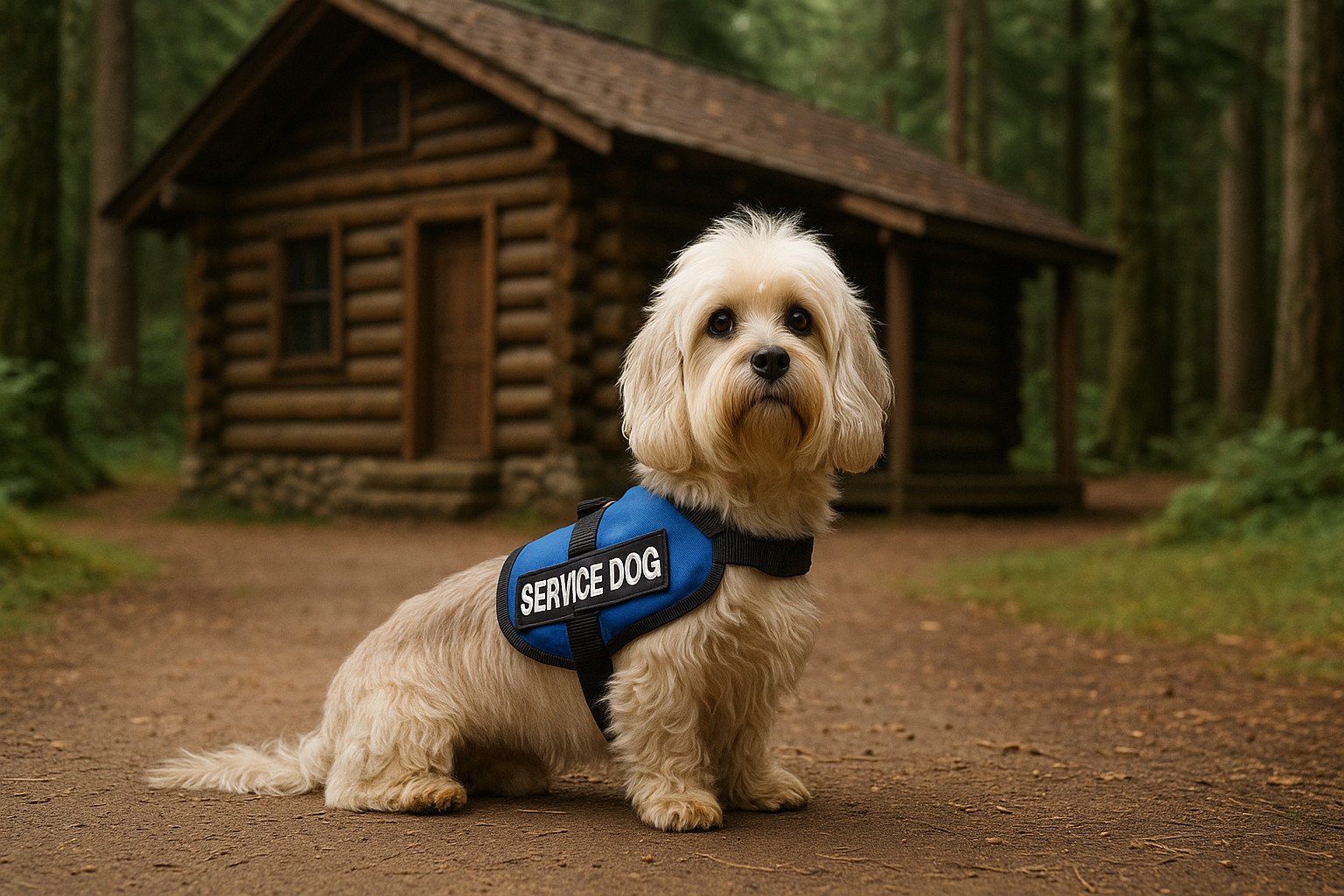
When considering a dog breed for service work, various factors such as temperament, physical characteristics, health, and trainability must align with the demanding requirements of the job. The Dandie Dinmont Terrier, a breed known for its distinctive appearance and cheerful demeanor, offers unique attributes that can be both advantageous and challenging in service roles. This article comprehensively assesses the Dandie Dinmont Terrier as a service dog, detailing its suitability, potential, and limitations.
Dandie Dinmont Terrier Overview
The Dandie Dinmont Terrier is a small, unique, and charming breed originating from the border region between Scotland and England. Known for its distinctive "topknot" of long hair and a long, low body, this breed is admired for its endearing personality and playful nature.
Physical Characteristics
The Dandie Dinmont Terrier possesses several physical attributes that influence its suitability as a service dog.
- Size and Strength: Typically weighing between 18 and 24 pounds, the Dandie Dinmont is a relatively small dog with a low body and a sturdy build. Its size limits its capacity for tasks that require strength or physical leverage, such as mobility assistance for individuals needing physical support.
- Energy Levels: Despite their small stature, Dandie Dinmont Terriers carry a moderate energy level. They require regular exercise and stimulation to prevent boredom but can comfortably suit families or individuals with less physically demanding activity levels.
- Coat and Maintenance: The breed is known for its distinctive coat, featuring a soft, lint-like undercoat and harsher topcoat, which requires regular grooming. This grooming need must be considered if hygiene and maintenance present challenges in specific service contexts.
Temperament and Attitude
The Dandie Dinmont Terrier boasts a unique temperament that influences its role and effectiveness as a service animal.
- Cheerful and Affectionate: Known for their warmth and affection, Dandie Dinmonts thrive on human interaction. Their cheerful demeanor makes them appealing companions for emotional support roles.
- Intelligent yet Independent: The breed displays intelligence but carries a streak of independence. While they can learn commands and tasks, their independent nature requires patient and consistent training methods.
- Calm Demeanor: Generally, the breed maintains composure in stressful environments, an important trait for service dogs frequently exposed to varied public settings. However, their independence means individual temperament can vary.
Types of Service Work
Given their attributes, Dandie Dinmont Terriers might excel in particular service roles, while others might be less suitable.
- Emotional Support: Their loving nature makes them excellent candidates for emotional support work. They provide comfort and reduce anxiety in individuals who require companionship and emotional stability.
- Therapy Work: Due to their friendly and approachable nature, they can also perform admirably in therapy settings, bringing joy and comfort to those in nursing homes or hospitals.
- Alert Roles: Although not typically selected for alert tasks, their sensitivity to their surroundings may make them candidates for certain alert functions, provided they receive proper training.
Health Considerations
Health is a crucial consideration in the suitability of any breed for service work.
- Common Health Issues: Dandie Dinmont Terriers are prone to back problems due to their elongated spine, similar to breeds like the Dachshund. This condition may limit their ability to perform certain physical tasks or endure extensive activity.
- Life Expectancy: With a lifespan generally ranging from 11 to 13 years, their relatively shorter service expectancy compared to longer-lived breeds should be accounted for in long-term service planning.
- Regular Vet Visits: Routine medical check-ups are essential to monitor their health, particularly concerning spinal health as mentioned, which could impact their ability to continue service work.
Training and Suitability
Training a Dandie Dinmont Terrier for service work involves understanding both its strengths and areas requiring extra attention.
Register Any Breed
- Trainability: While smart and keen to learn, their independent nature means training can take longer and require more patience than with other more biddable breeds. Consistent and positive reinforcement training strategies are critical to success.
- Socialization: Early socialization is crucial to ensure they remain calm and well-mannered in various public settings.
- Task Learning: For specific tasks beyond companionship, such as alert duties, continuous and repetitive training emphasizing positive outcomes will be necessary.
Summary of Dandie Dinmont Terrier
Evaluating the Dandie Dinmont Terrier as a service dog requires weighing its strengths against its limitations. Ideal for emotional support and therapy roles due to their affectionate temperament, they may not suit all service dog work, particularly where physical tasks are necessary. Their health considerations, independence, and smaller size shape their suitability for specific functions.
- Strengths:
- Cheerful and affectionate demeanor suitable for emotional support and therapy work.
- Moderately energy-efficient, adaptable to different living environments.
- Calm under stress, useful for public contexts.
- Weaknesses:
- Limited capacity for physically demanding tasks due to smaller size.
- Prone to specific health issues that can affect service longevity.
- Independent nature requiring patience in training.
- Ideal Service Roles:
- Emotional support animal offering companionship and comfort.
- Therapy dog bringing joy to those needing emotional upliftment.


-
Public Access Kits
$149.00 Learn more This product has multiple variants. The options may be chosen on the product page -
Quick Ship Premium Vests
$48.00 – $82.00 Learn more This product has multiple variants. The options may be chosen on the product page -
Service Dog Bandana
$39.95 Learn more This product has multiple variants. The options may be chosen on the product page
Custom ID Cards
Custom ID Cards
Custom Service Dog Tags
Official Dog Vests
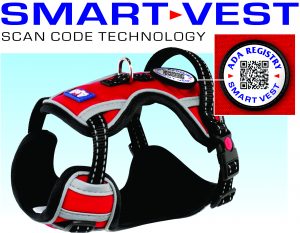
Smart Vests
Official Public Access Kits
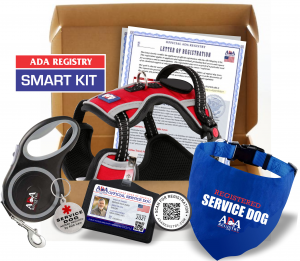
Complete Kits
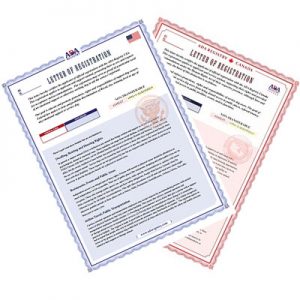
USA & CANADA Letters
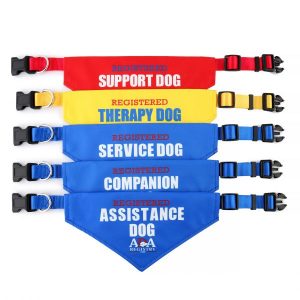
High Quality Bandanas
Service Dog Tags
Smart Tags
ESA TAGS