Doberman Pinscher as a Service Dog
Register Any Breed
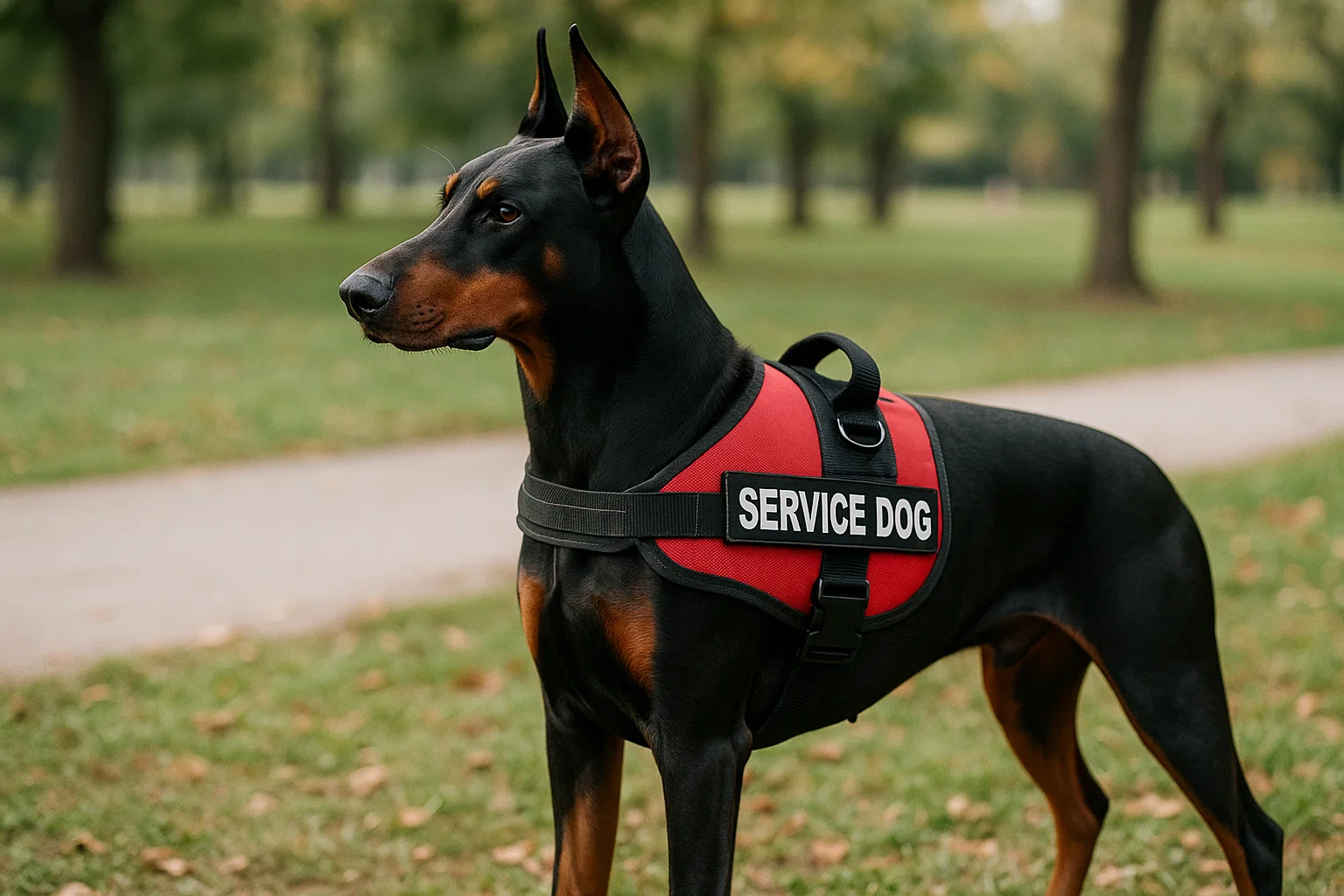
The Doberman Pinscher, an iconic breed known for its elegant stature and keen intelligence, is often considered for roles that require diligence, strength, and quick learning ability. While some might traditionally associate Dobermans with protection roles, this breed has significant potential as a service dog. In this article, we will explore the suitability of the Doberman Pinscher as a service dog, examining their physical attributes, temperament, types of service work they excel in, health considerations, and their overall trainability.
Doberman Pinscher Overview
Originating in Germany during the late 19th century, the Doberman Pinscher was initially bred by Karl Friedrich Louis Dobermann, who aimed to create a guard dog that was both formidable and reliable. This breed combines loyalty and intelligence, traits that are desirable in many service environments. Let's delve into their characteristics to understand why they might be a good fit for service work.
Physical Characteristics
Dobermans are medium-large dogs, typically ranging from 24 to 28 inches at the shoulder, and weighing between 60 and 100 pounds. This size allows them to physically assist with tasks like mobility support or stability for individuals needing a sturdy partner.
- Strength: Their muscular build and strength are advantageous for pulling or bracing tasks in mobility assistance.
- Agility: Despite their physical power, Dobermans are agile and capable of performing tasks requiring precision and dexterity.
- Stamina: Their energy levels are well-suited for lengthy or repeated tasks, making them reliable partners throughout the day.
Temperament and Attitude
The temperament of a Doberman combines intelligence with an inherent protectiveness, making them intuitive and responsive in various situations. This can be particularly beneficial in service roles that require quick reactions and emotional sensitivity.
- Loyalty: Their deep bond with their handler fosters trust and efficient communication, crucial for effective service work.
- Alertness: Dobermans are naturally vigilant, an asset in identifying and responding to changes in their handler's condition or environment.
- Adaptability: While protective, Dobermans can be trained to discern between real threats and everyday social interactions, though consistent socialization is key.
Types of Service Work
The versatility of the Doberman Pinscher makes them suitable for several types of service work. While they may not be ideal for every service role, they excel in certain areas due to their unique attributes.
- Mobility Assistance: Their physical strength and size allow them to support individuals who need stability or assistance in moving around.
- Medical Alert: With training, Dobermans can detect specific medical conditions such as seizures or low blood glucose levels, thanks to their keen senses and rapid learning capabilities.
- Psychiatric Service: Their intelligence and loyalty make them effective in providing emotional support, grounding techniques, and anxiety interventions.
Health Considerations
As with any breed, certain health issues can affect a Doberman's ability to perform service work. It's vital to consider these factors when evaluating their suitability.
- Cardiac Conditions: Dobermans are prone to cardiomyopathy, a disease of the heart muscle that could limit their physical capabilities.
- Hip Dysplasia: This common ailment in larger breeds can affect mobility and longevity in physically demanding roles.
- Von Willebrand's Disease: A blood clotting disorder that must be monitored to prevent excessive bleeding during injuries or medical procedures.
Training and Suitability
Dobermans are known for their sharp intelligence and eagerness to please, both of which can be leveraged in training scenarios for service dogs.
Register Any Breed
- Trainability: Their high intelligence allows for quick understanding and execution of commands, but it also requires consistent mental stimulation to prevent boredom or unwanted behaviors.
- Task Consistency: Dobermans appreciate routine and can learn to perform complex tasks reliably, as long as they receive clear and consistent guidance.
- Independence vs. Guidance: While independent, a Doberman's need for leadership means trainers must establish clear roles and expectations.
Summary of Doberman Pinscher
In summary, the Doberman Pinscher's combination of physical attributes, intelligence, and temperament positions them as excellent candidates for certain types of service work. However, potential handlers must weigh health risks and individual temperament to ensure the dog can perform the required tasks effectively.
- Strengths:
- Highly intelligent and trainable
- Strong, agile, and capable of physical tasks
- Deeply loyal, forming strong bonds with handlers
- Weaknesses:
- Prone to specific health issues like cardiac conditions
- May require thorough socialization to ensure appropriate behavior in public
- Needs an experienced handler to manage their intelligence and energy
- Ideal Service Roles:
- Mobility assistance
- Medical alert services
- Psychiatric support and companionship
With the right training and care, Doberman Pinschers can become invaluable service dogs, providing support and assistance that enhances the daily lives of individuals with disabilities. Their potential for empathy and quick learning, coupled with the right health management, makes them a breed worth considering for certain service roles.


-
Public Access Kits
$149.00 Learn more This product has multiple variants. The options may be chosen on the product page -
Quick Ship Premium Vests
$48.00 – $82.00 Learn more This product has multiple variants. The options may be chosen on the product page -
Service Dog Bandana
$39.95 Learn more This product has multiple variants. The options may be chosen on the product page
Custom ID Cards

Custom ID Cards
Custom Service Dog Tags
Official Dog Vests

Smart Vests
Official Public Access Kits
Complete Kits
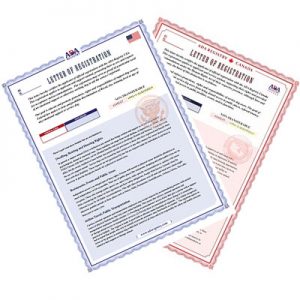
USA & CANADA Letters
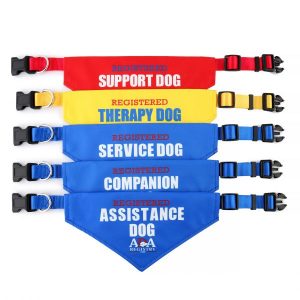
High Quality Bandanas
Service Dog Tags
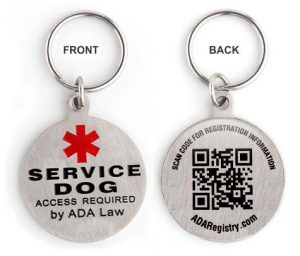
Smart Tags

ESA TAGS