English Cocker Spaniel as a Service Dog
Register Any Breed
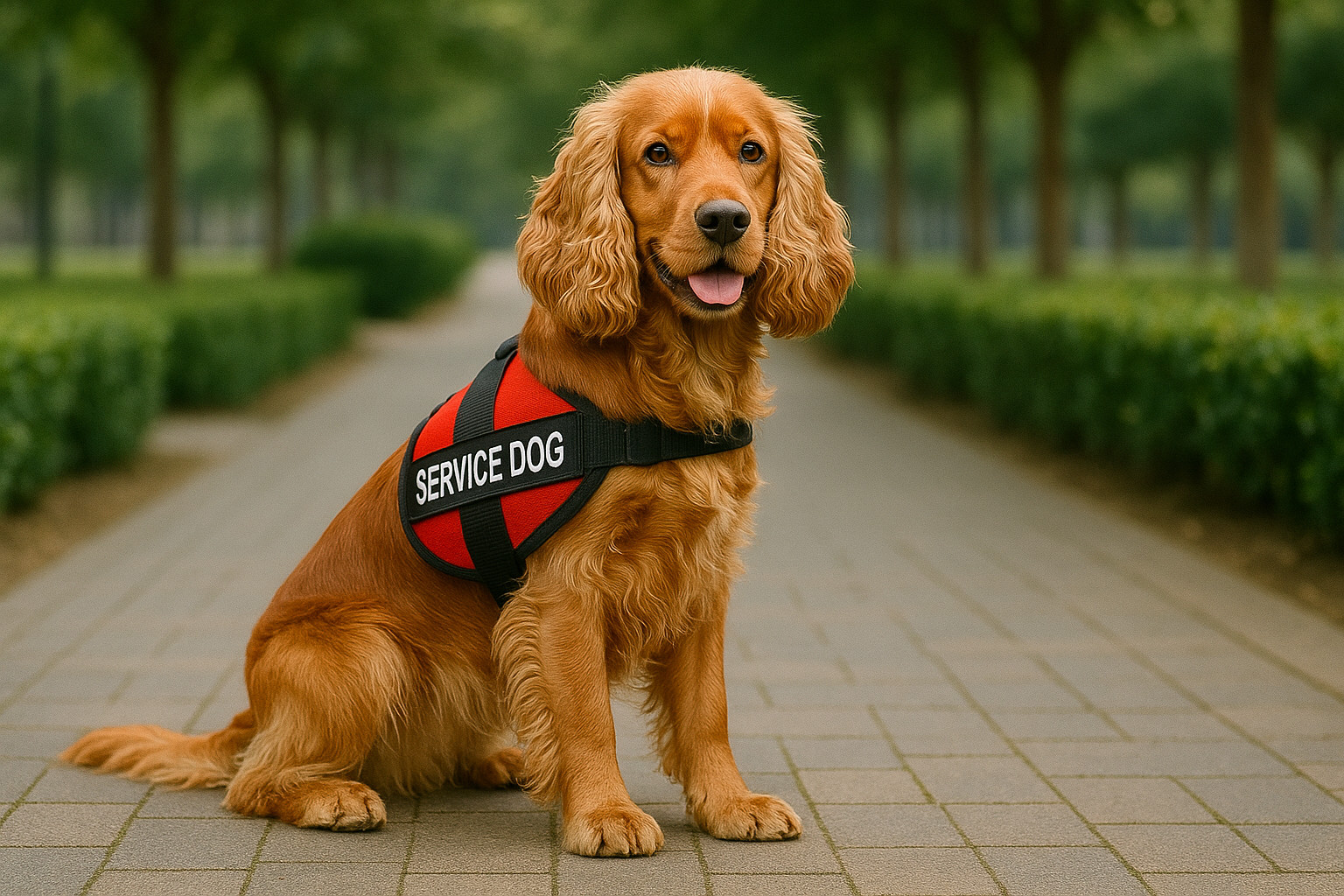
The role of a service dog is critical in enhancing the quality of life for individuals with disabilities. While breeds like Labrador Retrievers and German Shepherds are traditionally favored, the English Cocker Spaniel is an increasingly popular choice due to its unique characteristics. This article examines the suitability of the English Cocker Spaniel as a service dog, considering its physical traits, temperament, types of service work it excels in, health considerations, and trainability.
English Cocker Spaniel Overview
The English Cocker Spaniel, a breed known for its remarkable agility and pleasant demeanor, was initially developed for hunting game birds, particularly woodcocks, which explains its name. Over time, their sweet nature and intelligence have made them a favored companion for families and individuals needing support.
Physical Characteristics
English Cocker Spaniels are medium-sized dogs with an average height of 15 to 17 inches and weigh between 26 to 34 pounds. Their sturdy build is complemented by beautiful, silky coats that come in various colors, including black, liver, and shades of red. Key physical attributes include:
- Size and Strength: These dogs are compact yet strong, allowing them to perform various tasks without being overly cumbersome in domestic environments.
- Energy Levels: Known for their energetic nature, English Cocker Spaniels require regular exercise, which can be beneficial in keeping their handlers active and engaged.
The breed's physical traits make it suitable for certain types of service tasks but may limit its appropriateness for more strenuous roles, such as those requiring the strength of larger breeds.
Temperament and Attitude
English Cocker Spaniels are celebrated for their friendly and affectionate demeanor, making them excellent companions and service dogs. Key temperament traits include:
- Adaptability and Intelligence: This breed is highly adaptable to different environments and situations, demonstrating remarkable intelligence that aids its training.
- Social Nature: Typically friendly, they interact well with other animals and humans, minimizing potential conflicts or stressful situations in public.
- Sensitivity: Their sensitivity can be advantageous in detecting subtle changes in the handler's emotional state, providing comfort or alerting others as necessary.
While these traits make them well-suited for roles such as psychiatric service dogs or emotional support animals, their sensitivity may require careful management to prevent overstimulation in busy or chaotic environments.
Types of Service Work
The English Cocker Spaniel's attributes lend themselves well to several types of service work, despite the breed not being strong enough for mobility-related tasks. Suitable service roles include:
Register Any Breed
- Psychiatric Service Dogs: With their intuitive nature and keen perception, they can offer support to individuals with mental health conditions, providing comfort during anxiety episodes or reminding handlers to take medication.
- Medical Alert Dogs: Their acute sense of smell can be harnessed to detect specific medical conditions, such as low blood sugar levels in diabetics or the onset of a seizure in epilepsy patients.
- Emotional Support Animals: Their affectionate temperament makes them ideal as emotional support animals, where companionship and emotional comfort are the primary responsibilities.
English Cocker Spaniels may not be ideal for heavy mobility tasks due to their smaller size, but they excel in roles requiring a gentle touch and perceptive nature.
Health Considerations
While English Cocker Spaniels are generally healthy, prospective handlers and trainers must be aware of breed-specific health considerations:
- Ear Infections: Their long, floppy ears can trap moisture, leading to a higher risk of ear infections, which requires regular cleaning and monitoring.
- Progressive Retinal Atrophy (PRA): This genetic condition can lead to blindness, emphasizing the importance of regular veterinary check-ups and genetic testing if possible.
- Hip Dysplasia: While less common than in larger breeds, hip dysplasia can occur and may limit the dog's ability to perform physical tasks over time.
These health conditions can impact the longevity and effectiveness of the service role, hence the importance of regular veterinary care and preventive measures.
Training and Suitability
English Cocker Spaniels are highly trainable due to their intelligence and eagerness to please. Training considerations include:
- Quick Learners: They grasp commands and tasks quickly, making them suitable for service work that requires regular command-based training.
- Positive Reinforcement: This method works exceptionally well, promoting their willingness to perform tasks consistently and with enthusiasm.
- Sensitive Nature: Trainers must maintain a calm and positive training environment to prevent stress or anxiety in the dog.
Despite their strengths, potential challenges include their occasionally stubborn streak, which can be curbed with consistent training and patience.
Summary of English Cocker Spaniel
In conclusion, the English Cocker Spaniel possesses several characteristics that make it a suitable candidate for certain types of service work. While they may not be suited for all roles due to size and physical strength limitations, their affectionate nature, intelligence, and adaptability are key strengths in fields such as psychiatric service and medical alert work.
- Strengths:
- Friendly and adaptable temperament
- Strong sniffing ability for medical alerts
- Highly trainable and quick to learn
- Weaknesses:
- Prone to ear infections and genetic conditions
- Not suited for mobility assistance due to size
- High sensitivity to potentially stressful environments
- Ideal Service Roles:
- Psychiatric service dog
- Medical alert dog
- Emotional support animal
Selecting an English Cocker Spaniel as a service dog involves weighing these factors to match the dog's strengths with the handler's specific needs, ensuring both benefit from the partnership.


-
Public Access Kits
$149.00 Learn more This product has multiple variants. The options may be chosen on the product page -
Quick Ship Premium Vests
$48.00 – $82.00 Learn more This product has multiple variants. The options may be chosen on the product page -
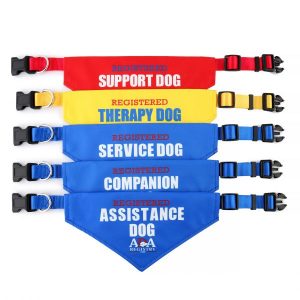
Service Dog Bandana
$39.95 Learn more This product has multiple variants. The options may be chosen on the product page
Custom ID Cards

Custom ID Cards
Custom Service Dog Tags
Official Dog Vests

Smart Vests
Official Public Access Kits
Complete Kits
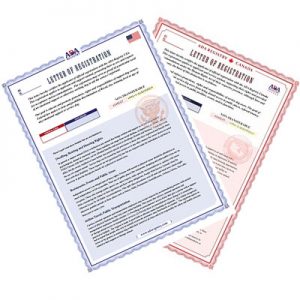
USA & CANADA Letters
High Quality Bandanas
Service Dog Tags
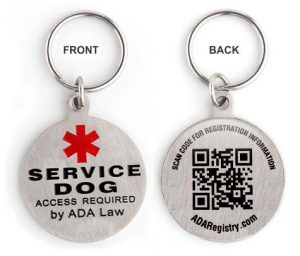
Smart Tags

ESA TAGS