Flat-Coated Retriever as a Service Dog
Register Any Breed
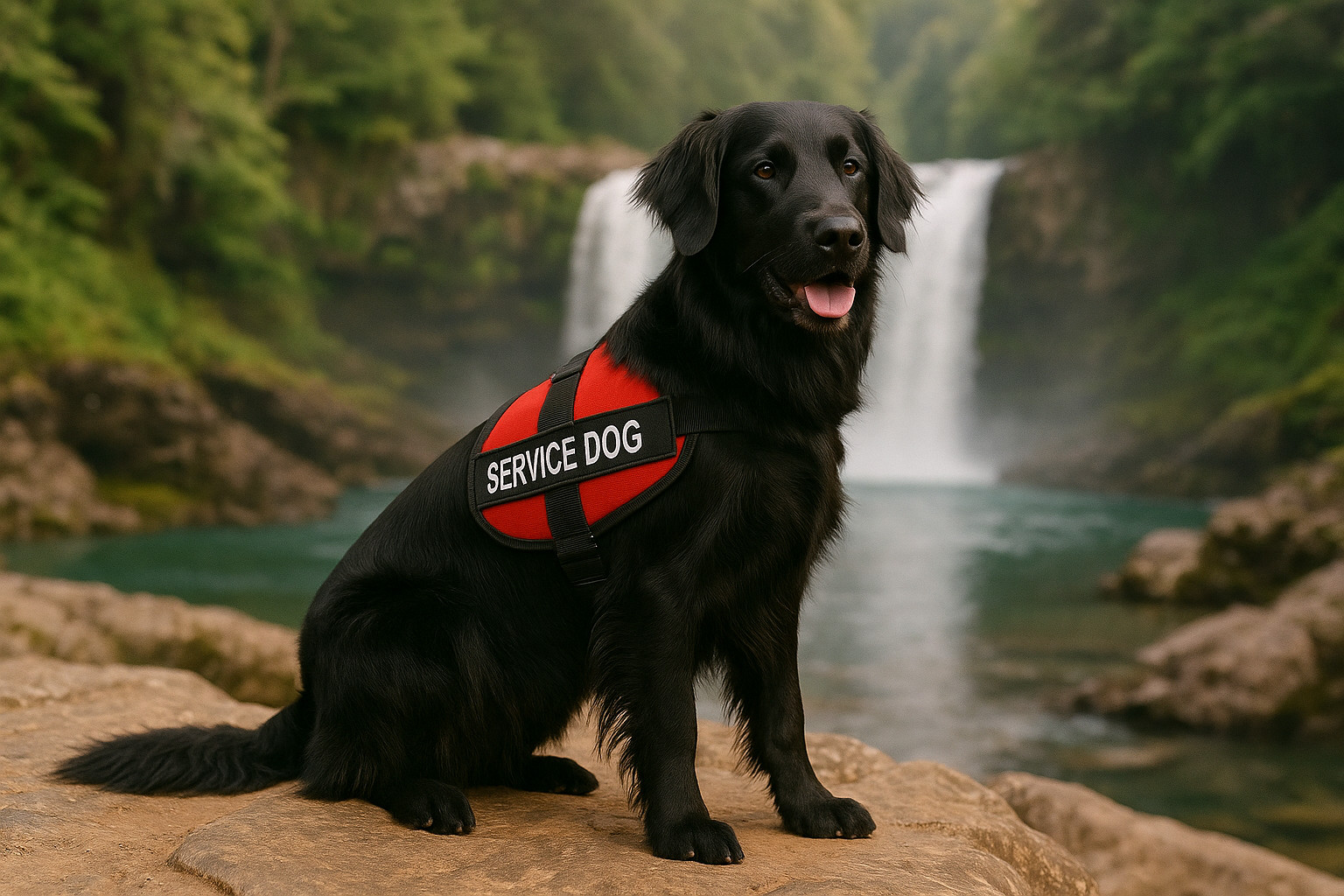
The Flat-Coated Retriever, often overshadowed by the popularity of its Golden Retriever and Labrador Retriever cousins, is a marvelous breed renowned for its cheerfulness and versatility. As working dogs with a strong background in hunting and retrieving, they possess several qualities that make them suitable candidates for service dog roles. This article offers an extensive guide to understanding the potential of the Flat-Coated Retriever as a service dog.
Flat-Coated Retriever Overview
The Flat-Coated Retriever originates from the United Kingdom and was developed in the 19th century to assist in hunting and retrieving games. With its charming demeanor, intelligence, and eagerness to please, this breed has gained recognition beyond hunting, finding its place in various working dog roles.
Physical Characteristics
The Flat-Coated Retriever is a medium-to-large-sized dog with a strong, athletic build. These dogs generally stand between 22 to 24.5 inches at the shoulder and weigh between 60 to 70 pounds. Their bodies are well-balanced, providing both strength and agility.
- Coat and Color: As the name suggests, the Flat-Coated Retriever has a distinctive flat, dense, and shiny coat that provides excellent weather resistance. Their coats are mostly black or liver-colored.
- Eyes and Expression: They have oval-shaped, dark eyes that impart a friendly and intelligent expression, contributing to an overall impression of gentleness and eagerness.
- Energy and Agility: This breed possesses high levels of energy and requires regular exercise, making them excellent companions for active individuals. Their agility makes them adept at various physical tasks.
Each of these physical characteristics contributes to their suitability for service work, especially where physical endurance and a strong presence are required.
Temperament and Attitude
- Eager to Please: Flat-Coats are known for their friendly, outgoing nature, and keen eagerness to please their owners, which makes them highly trainable.
- Intelligent and Alert: They possess a sharp intellect and are quick learners, able to pick up on commands and tasks swiftly.
- Sociability: Highly sociable by nature, Flat-Coated Retrievers typically get along well with children, other animals, and strangers, a vital trait for service dogs who often encounter public settings.
- Playfulness: While their boundless enthusiasm and playfulness are endearing, it may sometimes need to be moderated with disciplined training to suit specific service roles.
This temperament places the Flat-Coated Retriever in good stead for roles where friendly interaction and a gentle approach are paramount.
Types of Service Work
- Mobility Assistance:
- Their strength and size make them suitable for aiding in mobility assistance, such as helping individuals with physical disabilities by retrieving objects or providing physical support.
- Medical Alert:
- Flat-Coated Retrievers have shown capabilities in scent detection, such as alerting individuals to oncoming health episodes like seizures or low blood sugar levels.
- Psychiatric Support:
- Their temperament and bond with humans make them valuable in providing psychiatric support, such as offering comfort to individuals with PTSD or anxiety disorders.
- Search and Rescue:
- While not purely a service dog role, their intelligence, drive, and physical abilities make them suitable for search and rescue tasks.
Despite these prospects, the choice to train a Flat-Coated Retriever should consider their need for exercise and guidance in channeling their enthusiastic energy into productive work.
Health Considerations
While the Flat-Coated Retriever has many strengths, they are also prone to certain health conditions that may affect their service work capabilities:
Register Any Breed
- Cancer: This breed has a higher incidence of cancer than many other breeds, particularly malignant histiocytosis and hemangiosarcoma.
- Hip Dysplasia: Like many larger breeds, Flat-Coated Retrievers can suffer from hip dysplasia, which may impact mobility.
- Bloating: They are also prone to gastric dilatation-volvulus, a condition that requires immediate medical attention and careful feeding practices.
Prospective owners and trainers must conduct regular health checks to ensure that Flat-Coated Retrievers can fulfill their roles as service dogs without health hindrances.
Training and Suitability
Training a Flat-Coated Retriever requires a balanced approach that acknowledges their independence and eagerness to learn.
- Training Techniques: Positive reinforcement is particularly effective with this breed. Consistent training sessions that include play and rewards can channel their energy and intelligence effectively.
- Socialization: Early and extensive socialization is crucial to ensure they behave well in various public environments. This helps them adapt to different situations and reduces behavioral issues.
- Consistency and Patience: Trainers must be patient and consistent, as the playful nature of Flat-Coated Retrievers can sometimes lead to distractibility.
With the right training techniques, these dogs can become exceptional service dogs, capitalizing on their eagerness and intelligence.
Summary of Flat-Coated Retriever
The Flat-Coated Retriever demonstrates numerous qualities that align well with service dog duties. However, like any breed, they come with their specific set of advantages and challenges.
- Strengths:
- Friendly and sociable personality that fosters positive interactions in public.
- High intelligence and trainability, suitable for various service roles including mobility assistance and psychiatric support.
- Strong and agile physique capable of performing demanding physical tasks.
- Weaknesses:
- High energy levels require regular mental and physical stimulation.
- Prone to specific health issues, notably cancer, which can affect service work longevity.
- Ideal Service Roles:
- Mobility Assistance
- Medical Alert
- Psychiatric Support
In conclusion, the Flat-Coated Retriever makes a commendable service dog with the right guidance and training. Their sociability, intelligence, and eagerness to please are invaluable traits, reinforcing their potential in various service roles. Successful integration into service work hinges on proper training and managing health implications specific to the breed.


-
Public Access Kits
$149.00 Learn more This product has multiple variants. The options may be chosen on the product page -
Quick Ship Premium Vests
$48.00 – $82.00 Learn more This product has multiple variants. The options may be chosen on the product page -
Service Dog Bandana
$39.95 Learn more This product has multiple variants. The options may be chosen on the product page
Custom ID Cards

Custom ID Cards
Custom Service Dog Tags
Official Dog Vests
Smart Vests
Official Public Access Kits
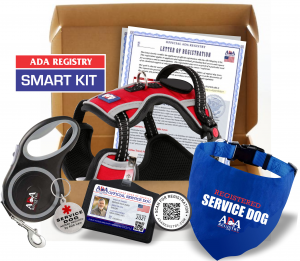
Complete Kits
USA & CANADA Letters
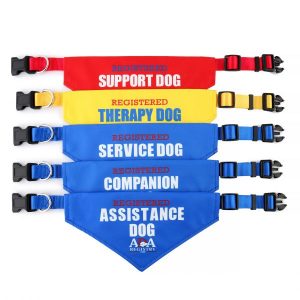
High Quality Bandanas
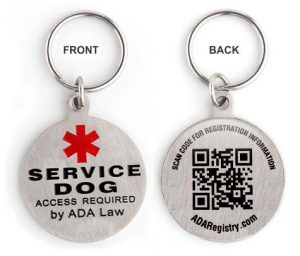
Service Dog Tags
Smart Tags

ESA TAGS