
Gordon Setter as a Service Dog
Register Any Breed
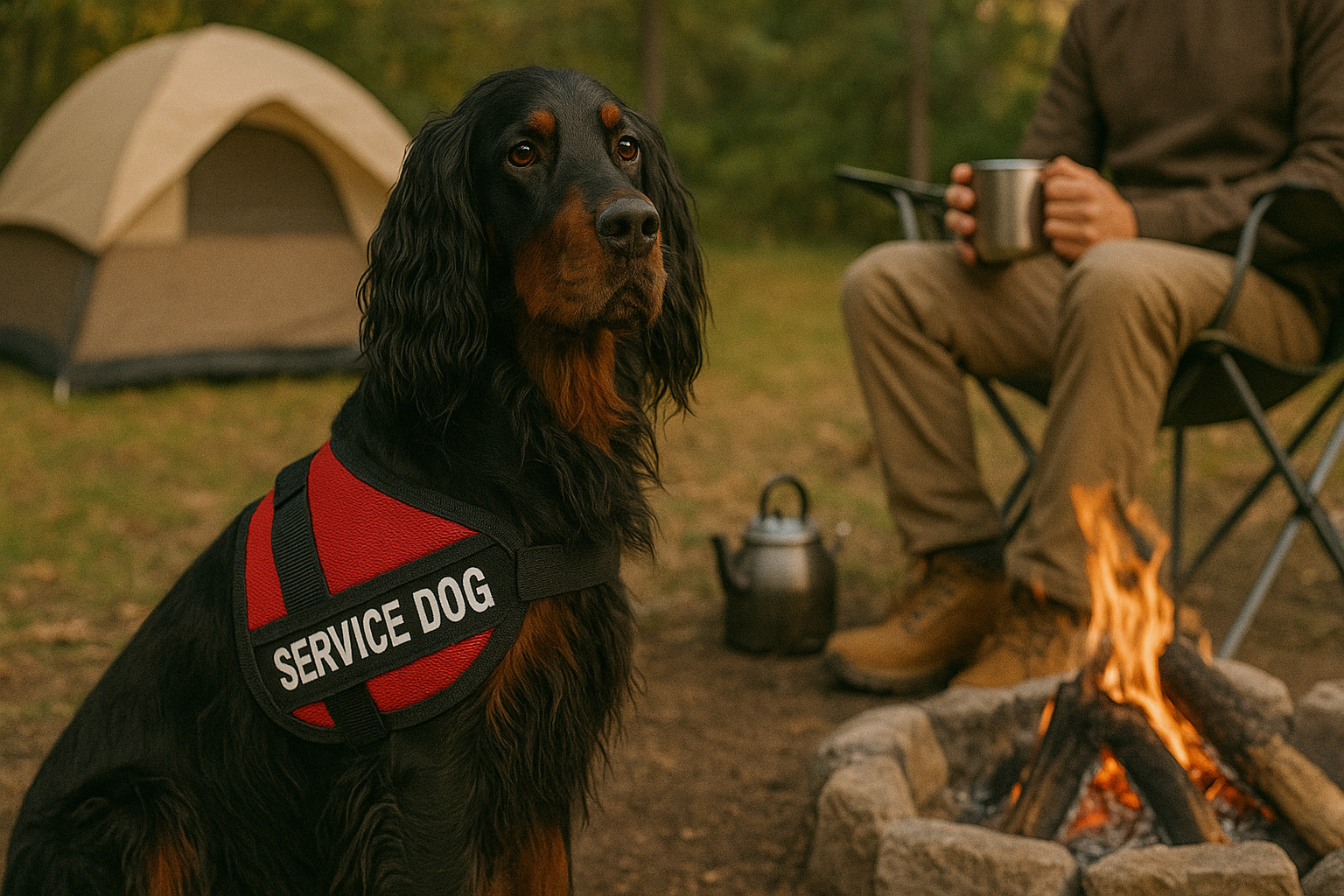
Service dogs play a crucial role in improving the quality of life for individuals with various disabilities. While breeds like the Labrador Retriever, Golden Retriever, and German Shepherd often come to mind as service dogs, other breeds, including the Gordon Setter, can also serve in this role under certain conditions. Though traditionally seen as a hunting dog, the Gordon Setter possesses several characteristics that make it an interesting candidate for service dog work.
Gordon Setter Overview
The Gordon Setter, known for its elegance and aristocratic appearance, hails from Scotland and is the largest of the setter family. These dogs were originally bred for hunting game birds such as grouse, their distinctive black and tan coat and keen sense of smell making them effective in tracking and retrieving.
Physical Characteristics
Gordon Setters are medium to large-sized dogs, boasting a well-built frame and a defined musculature. This breed generally stands between 23 to 27 inches at the shoulder and weighs between 45 to 80 pounds.
- Size: Their size can be advantageous for mobility assistance work but can also be a hindrance in smaller living environments or when working with handlers who require a smaller-sized dog.
- Coat: The Gordon Setter's long, silky coat, while beautiful, requires regular grooming. This necessitates a commitment to maintenance that handlers must be willing to undertake to keep the dog comfortable and healthy.
- Energy Levels: As a sporting breed, Gordon Setters possess a high energy level and require plenty of exercises. This can make them suitable for active handlers who live in environments conducive to such activity.
Temperament and Attitude
Gordon Setters are known for their loyal, affectionate, and sometimes protective nature, which can be both beneficial and occasionally challenging in service roles.
- Loyalty and Bonding: Their deep bond with family members makes them dedicated companions and potentially reliable service dogs. This loyalty ensures they stay focused on their handler and tasks when properly trained.
- Social Nature: While they are generally friendly, Gordon Setters can exhibit reserved behavior around strangers. This trait needs careful management to ensure they are comfortable in various public settings.
- Intelligence and Trainability: Their high intelligence means they can learn quickly; however, they also possess a streak of independence. This can challenge novice trainers unfamiliar with managing a dog's self-directed behavior.
Types of Service Work
While not the most common choice for service roles, with proper training the Gordon Setter can fit specific types of service work.
- Mobility Assistance: Due to their size and strength, they can assist with retrieving items, opening doors, or offering physical support for stability.
- Emotional Support: Their loving nature makes them suitable for emotional support roles, offering comfort and companionship to those experiencing anxiety or depression.
- Detection and Medical Alert: With their acute sense of smell, Gordon Setters hold potential in roles requiring detection and alert, such as diabetes alert or seizure response. However, this is highly dependent on individualized, intensive training.
Health Considerations
Like many purebred dogs, Gordon Setters can be prone to specific health issues that may impact their ability to serve as a service dog.
- Hip Dysplasia: As with other large breeds, Gordon Setters may be susceptible to hip dysplasia, a condition that can cause pain and mobility issues. This could potentially limit their endurance and execution of physical service tasks.
- Progressive Retinal Atrophy (PRA): This eye disorder leads to vision loss, ultimately hindering their effectiveness as service dogs if it develops.
- Bloat: Gastric torsion or bloat is a major concern and requires immediate attention. Handlers need to be well-informed about the signs and preventive measures.
Training and Suitability
Training a Gordon Setter as a service dog requires patience, consistency, and an understanding of the breed's natural instincts.
Register Any Breed
- Early Training: It's beneficial to start training at an early age focusing on obedience and socialization to harness their natural focus and lessen their independence and protectiveness.
- Socialization: Consistent exposure to various environments, people, and other animals is key to preventing shyness or anxiety around unfamiliar settings.
- Professional Guidance: Involving a professional trainer experienced in Gordon Setters or related sporting breeds can aid in overcoming training challenges associated with independence and energy.
Summary of Gordon Setter
The Gordon Setter can be trained as an effective service dog, particularly in mobility assistance and emotional support roles. However, they require dedicated training, rigorous grooming, and awareness of potential health issues. Suitability largely depends on the individual dog's temperament, the task's physical demands, and the handler's ability to meet their exercise and grooming needs.
- Strengths
- Highly loyal with strong bonds to handlers
- Intelligent and capable of learning complex tasks
- Suitable for active, outdoor lifestyles
- Challenges
- Requires substantial grooming and maintenance
- Potential for health issues common to the breed
- Can be independent and willful if not properly trained
- Ideal Service Roles
- Mobility assistance in spacious environments
- Emotional support for those seeking active companionship
- Select medical alert tasks with specialized training
Overall, while not the first breed that comes to mind for service work, the Gordon Setter's suitability is highly task-dependent, requiring diligent training to fully realize their service potential.


-
Public Access Kits
$149.00 Learn more This product has multiple variants. The options may be chosen on the product page -
Quick Ship Premium Vests
$48.00 – $82.00 Learn more This product has multiple variants. The options may be chosen on the product page -
Service Dog Bandana
$39.95 Learn more This product has multiple variants. The options may be chosen on the product page
Custom ID Cards

Custom ID Cards
Custom Service Dog Tags

Official Dog Vests

Smart Vests
Official Public Access Kits

Complete Kits
USA & CANADA Letters

High Quality Bandanas

Service Dog Tags

Smart Tags

ESA TAGS
