Great Dane as a Service Dog
Register Any Breed
Great Dane Overview
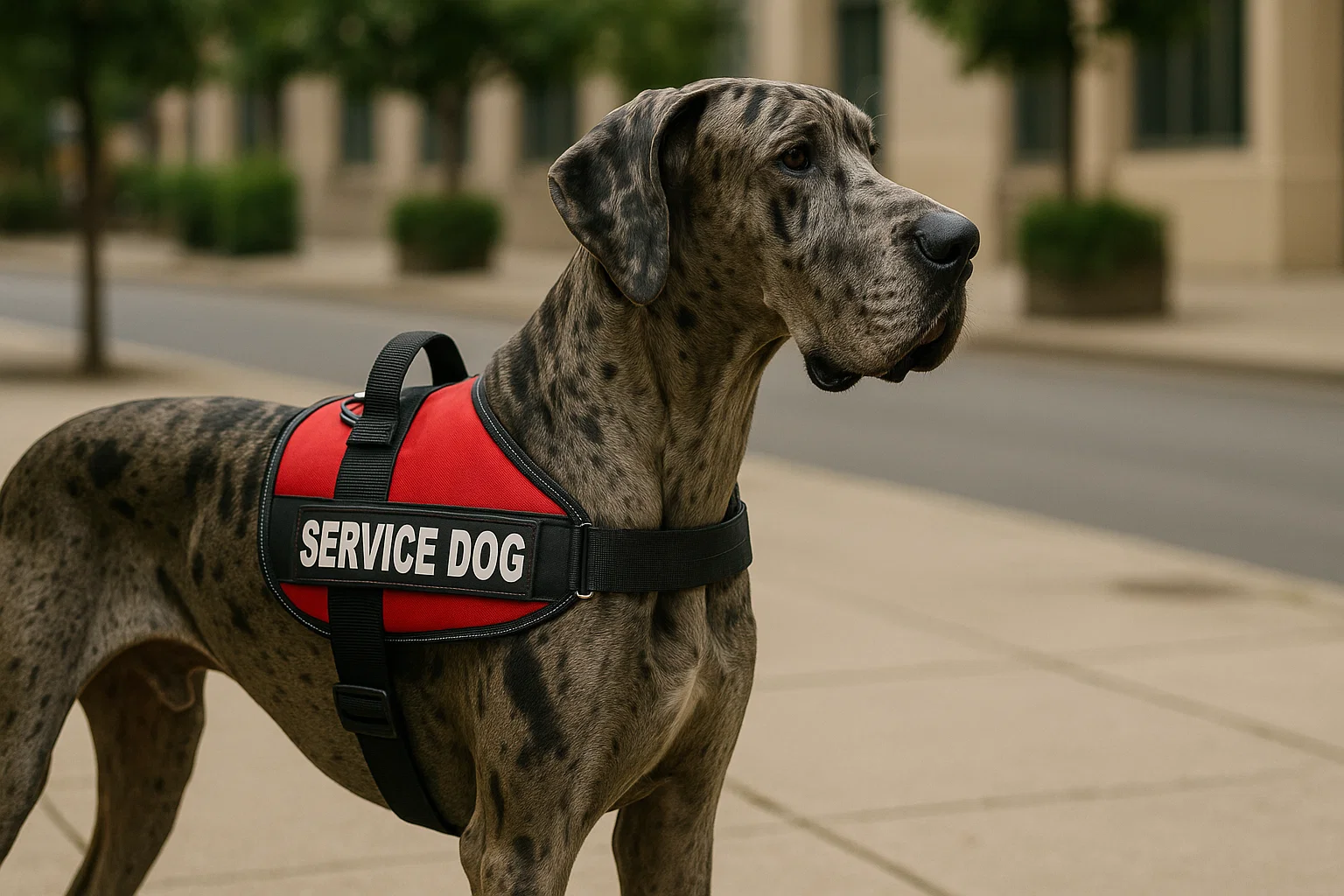
The Great Dane, often referred to as the "gentle giant," is recognized worldwide for its majestic stature and friendly demeanor. Originating from Germany, this breed was initially developed for hunting and as a watchdog but has transitioned over the years into a beloved family companion. Their impressive size and amiable temperament have sparked interest in their potential as service dogs. However, like any breed, understanding their attributes, both strengths and limitations, is essential when considering them for service work.
Physical Characteristics
The Great Dane is one of the largest dog breeds, with males typically standing between 30 to 34 inches at the shoulder and females measuring about 28 to 32 inches. Males usually weigh between 140 and 175 pounds, while females weigh 110 to 140 pounds. Their massive size can be both an asset and a challenge when considering them for service work.
- Size and Strength: The sheer size and strength of a Great Dane make them highly suitable for mobility assistance, such as providing balance support for individuals with mobility impairments. Their height enables them to reach objects that are high up or difficult for humans to access easily.
- Energy Levels: Despite their formidable size, Great Danes have moderate energy levels. They require regular exercise but do not possess the relentless energy of breeds like Border Collies. This balance makes them suitable for handlers who are not able to engage in vigorous physical activities.
- Space Requirements: The Great Dane's size demands significant living space, which is a factor in their suitability for different home environments. An ideal service dog from this breed will need room to move comfortably and stretch their long limbs.
Temperament and Attitude
Great Danes are renowned for their calm and composed temperament. Their demeanor in various settings is crucial for their role as service dogs.
- Gentle and Affectionate: These dogs are known for their gentle nature and are typically very affectionate with their family members. This affectionate nature can be beneficial for emotional support and therapy functions, as they often form strong bonds with their handlers.
- Socialization and Behavior: Early socialization is key for Great Danes to develop good manners and confidence in different environments. They are generally friendly and well-mannered but need consistent training to avoid developing fears or aggression.
- Stress Management: Their laid-back nature often allows them to handle stressful situations with calmness. Nevertheless, due to their size, it’s vital that they are well-trained, especially in crowded areas, to avoid accidental harm.
Types of Service Work
Great Danes can excel in several types of service work, thanks to their physical and psychological attributes:
- Mobility Assistance: Their height and strength make them ideal for tasks such as balance support, opening doors, and retrieving items for individuals with physical disabilities.
- Emotional Support and Therapy: Their loving and calm nature helps them act as excellent companions for those requiring emotional support. Their presence can be soothing to people with anxiety or PTSD.
- Medical Alert: While not traditionally used for this type of work, with the right training, they can be taught to recognize signs of certain medical conditions, like seizures, and alert their handlers.
Each role requires tailored training programs to harness the specific instincts and capabilities of the dog, ensuring that both the dog and their handler can work efficiently together.
Health Considerations
Choosing a Great Dane for service work involves considering several health-related factors that are characteristic of the breed.
- Short Lifespan: Unfortunately, Great Danes have one of the shortest lifespans among dog breeds, typically ranging from 7 to 10 years. This aspect can affect their longevity in service and requires consideration when investing in training.
- Susceptibility to Health Issues: They are prone to certain health conditions such as hip dysplasia, heart disease, and gastric dilatation-volvulus (bloat). Regular health screenings and an appropriate diet are essential in managing these risks to maintain their ability to perform service duties effectively.
- Joint and Bone Health: Their large size puts stress on their joints and bones, requiring careful monitoring and possibly preventive supplements to avoid issues that could impair their mobility over time.
Training and Suitability
Training a Great Dane to become a service dog is a commitment that involves time, patience, and a deep understanding of the breed's characteristics.
Register Any Breed
- Trainability: Great Danes are intelligent and can learn various tasks. However, they may also exhibit independent thinking at times. Positive reinforcement and consistent training from an early age are critical for establishing reliable service dog behaviors.
- Obedience: Due to their size, basic obedience training is imperative to ensure that they are controllable in everyday situations. Commands for sitting, staying, and walking nicely on a leash are foundational skills for any service dog, particularly for those as large as a Great Dane.
- Social Training: Exposure to a variety of environments, people, and other animals will help Great Danes become versatile service dogs. This exposure helps minimize the risk of fearfulness or aggression due to their natural wariness of strangers or unfamiliar settings.
Summary of Great Dane
The Great Dane can make a remarkable service dog under the right circumstances, offering both physical support and emotional comfort. However, potential handlers must weigh their unique considerations, such as health and lifespan, against their impressive attributes.
- Strengths:
- Size and strength useful for mobility assistance
- Gentle, affectionate nature supportive of emotional needs
- Calm demeanor beneficial in stressful environments
- Weaknesses:
- Short lifespan impacts long-term service capacity
- Health issues, such as joint problems, can affect service ability
- Requires ample space due to large size
- Ideal Service Roles:
- Mobility Assistance
- Emotional Support Therapy
- With training, Medical Alert
In conclusion, the decision to utilize a Great Dane as a service dog should be based on an understanding that their physical traits, temperament, and health considerations will influence their effectiveness in fulfilling specific service roles.


-
Public Access Kits
$149.00 Learn more This product has multiple variants. The options may be chosen on the product page -
Quick Ship Premium Vests
$48.00 – $82.00 Learn more This product has multiple variants. The options may be chosen on the product page -
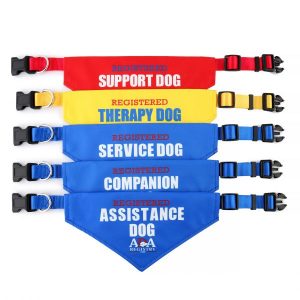
Service Dog Bandana
$39.95 Learn more This product has multiple variants. The options may be chosen on the product page
Custom ID Cards

Custom ID Cards
Custom Service Dog Tags
Official Dog Vests

Smart Vests
Official Public Access Kits
Complete Kits
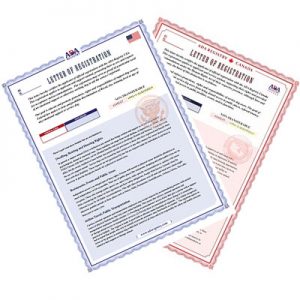
USA & CANADA Letters
High Quality Bandanas
Service Dog Tags
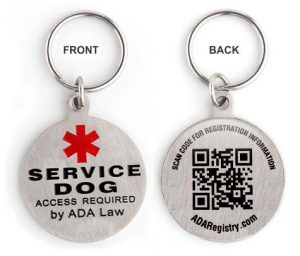
Smart Tags

ESA TAGS