Greyhound as a Service Dog
Register Any Breed
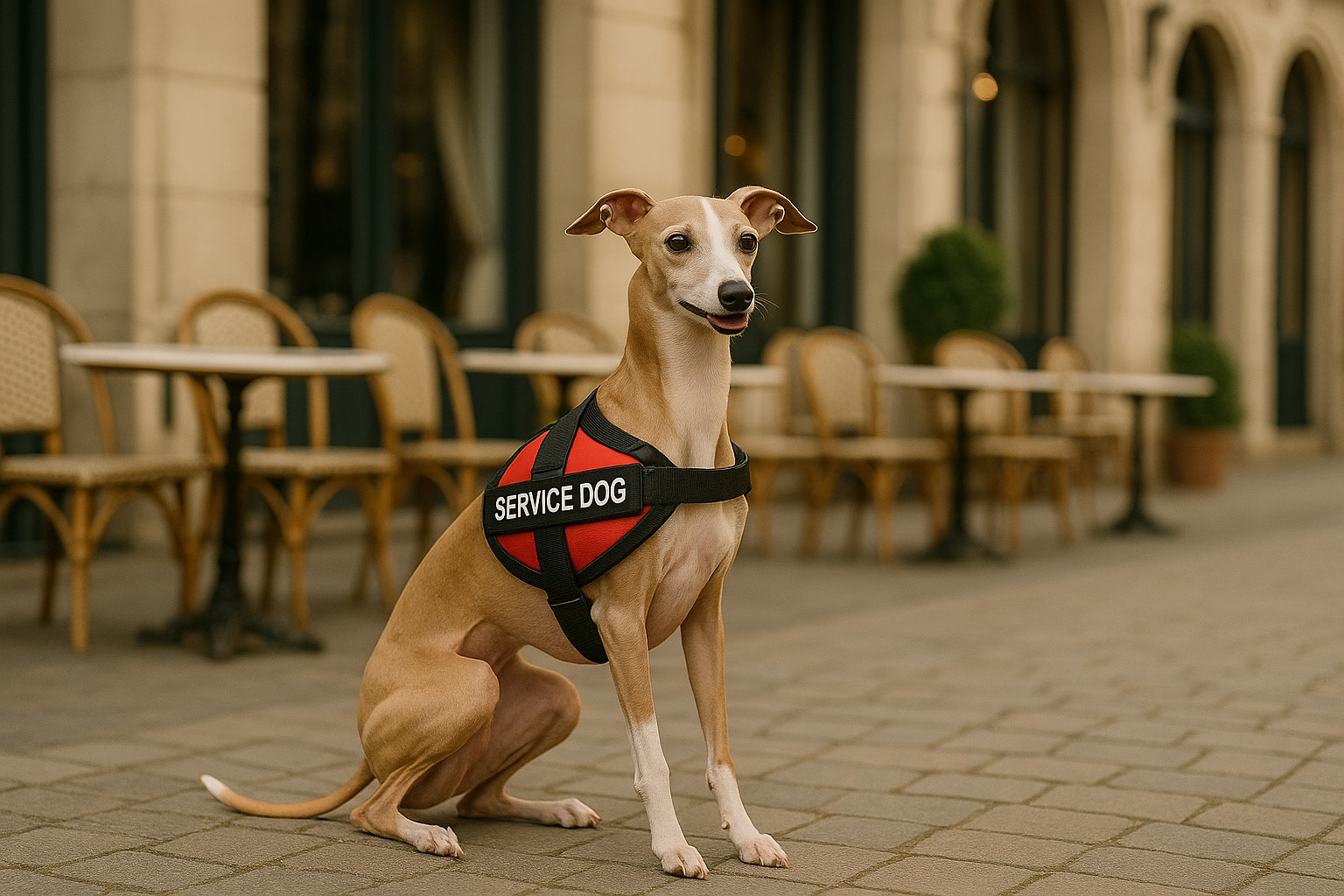
Choosing the right breed for service work is paramount, and the Greyhound, known for its sleek build and gentle demeanor, presents an intriguing option. While not traditionally thought of as a service dog, the Greyhound's unique qualities may surprise many when considering its aptitude for various assistance roles. This comprehensive guide delves into the potential of the Greyhound in service capacities by exploring its physical attributes, temperament, types of service roles it can undertake, and considerations for health and training.
Greyhound Overview
The Greyhound is often associated with speed and agility due to its racing background. However, these majestic dogs are equally known for their elegance and gentle nature. With a lineage that traces back thousands of years, Greyhounds have been companions to humans in various roles—from hunting dogs in ancient Egypt to modern-day pets.
Physical Characteristics
Greyhounds are large, aerodynamic dogs bred primarily for speed. Their physical attributes include:
- Size and Build: Greyhounds stand between 27 to 30 inches tall and weigh between 60 to 70 pounds. Their long, slender frames are built for speed, allowing them to reach up to 45 miles per hour.
- Coat and Appearance: They possess short, smooth coats that come in a variety of colors, including black, fawn, blue, and brindle. The minimal grooming required is a plus for owners who prefer low-maintenance breeds.
- Energy Level: Despite their racing pedigree, Greyhounds have relatively low exercise needs once they retire. They are often described as "couch potatoes," enjoying lounging around for most of the day.
These physical characteristics influence their suitability for service work. While their tall stature and strength can aid mobility tasks, their low energy levels mean they aren't suited for high-energy duties like search and rescue.
Temperament and Attitude
Greyhounds have a temperament that can be both an asset and a challenge in service dog work:
- Gentle and Calm: Greyhounds are generally calm dogs, making them excellent companions for individuals who require a steady and composed presence.
- Sociable Nature: Most Greyhounds are adaptable and get along well with humans and other dogs. This sociability is beneficial in public settings where interaction with people and animals is frequent.
- Stress Response: Greyhounds are sensitive and can be susceptible to anxiety, especially in noisy or busy environments. Therefore, they thrive in less chaotic settings and need gradual exposure to various scenarios during training.
These traits can make Greyhounds well-suited for roles where a gentle and reassuring presence is required, such as emotional support or therapeutic assistance.
Types of Service Work
Greyhounds excel in specific service roles due to their physical and behavioral characteristics:
Register Any Breed
- Emotional Support and Therapy: Due to their gentle nature and soothing presence, Greyhounds are often used as emotional support animals. They provide comfort and companionship to individuals with anxiety, depression, or PTSD.
- Mobility Assistance: Their size and strength can support mobility tasks, although they are less suited for tasks requiring high energy or endurance.
- Medical Alert: With proper training, Greyhounds can be taught to alert owners to certain medical conditions, such as low blood sugar or impending seizures, primarily using scent detection.
While Greyhounds may not fit the mold for all service roles, especially those requiring intense physical activities, they excel where a calm and gentle presence is desired.
Health Considerations
Health is a critical aspect when evaluating a breed for service work. The Greyhound's unique health profile includes:
- Genetic Health Issues: Greyhounds are prone to bloat, a life-threatening stomach condition, and may be more susceptible to certain types of cancers.
- Joint and Bone Health: Their slim build can make them prone to joint problems, particularly as they age. Regular veterinary check-ups and a good diet are essential for managing these issues.
- Sensitivity to Anesthesia: Due to their lean body mass, Greyhounds may react differently to anesthesia, which must be considered in situations requiring medical intervention.
Awareness and management of these health concerns are vital in ensuring the Greyhound's well-being and longevity as a service animal.
Training and Suitability
Training a Greyhound for service work requires understanding its distinct personality and ancient instincts:
- Intelligence and Independence: Greyhounds are intelligent but somewhat independent, often requiring a patient and positive reinforcement-centered training approach.
- Adaptability to Training: While they can be trained for various tasks, Greyhounds do not always have the eager-to-please attitude of other service breeds like Labradors or Golden Retrievers. Consistency and reward-based methods can help overcome this.
- Public Behavior: Training should include gradual exposure to busy environments to adapt the Greyhound's naturally sensitive nature to the world's hustle and bustle.
In summary, Greyhounds can be trained to fulfill specific roles, particularly those focusing on emotional support and less demanding physical tasks, given their intelligence and gentle disposition.
Summary of Greyhound
When considering the Greyhound as a service dog, their unique blend of qualities presents both opportunities and challenges. A summary of their key strengths, weaknesses, and ideal roles are outlined below:
- Strengths:
- Gentle and Calm: Ideal for emotional support and therapeutic roles
- Sociable and Adaptable: Good in environments where social interaction is key
- Size and Strength: Can assist with certain mobility tasks
- Weaknesses:
- Sensitive and Anxious: May struggle in noisy or fast-paced environments
- Independent Nature: Might require more patient and tailored training approaches
- Health Considerations: Susceptibility to bloat and joint issues need careful management
- Ideal Service Roles:
- Emotional Support and Therapy: Excellent for providing comfort and companionship
- Mobility Assistance: Suitable for tasks needing strength but not endurance
- Medical Alert: Potential for training in alert functions with gradual acclimatization
In conclusion, the Greyhound may not be the first breed that comes to mind when considering a service dog, yet their gentle demeanor and physical attributes offer considerable potential, particularly in roles less demanding on energy and more focused on companionship and calmness. With careful selection, training, and health management, Greyhounds can become reliable and cherished service companions.


-
Public Access Kits
$149.00 Learn more This product has multiple variants. The options may be chosen on the product page -
Quick Ship Premium Vests
$48.00 – $82.00 Learn more This product has multiple variants. The options may be chosen on the product page -
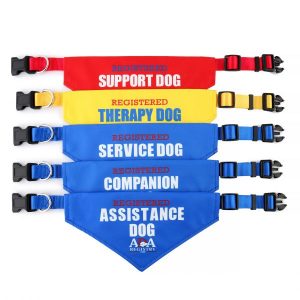
Service Dog Bandana
$39.95 Learn more This product has multiple variants. The options may be chosen on the product page
Custom ID Cards

Custom ID Cards
Custom Service Dog Tags
Official Dog Vests

Smart Vests
Official Public Access Kits
Complete Kits
USA & CANADA Letters
High Quality Bandanas
Service Dog Tags
Smart Tags

ESA TAGS