Harrier as a Service Dog
Register Any Breed
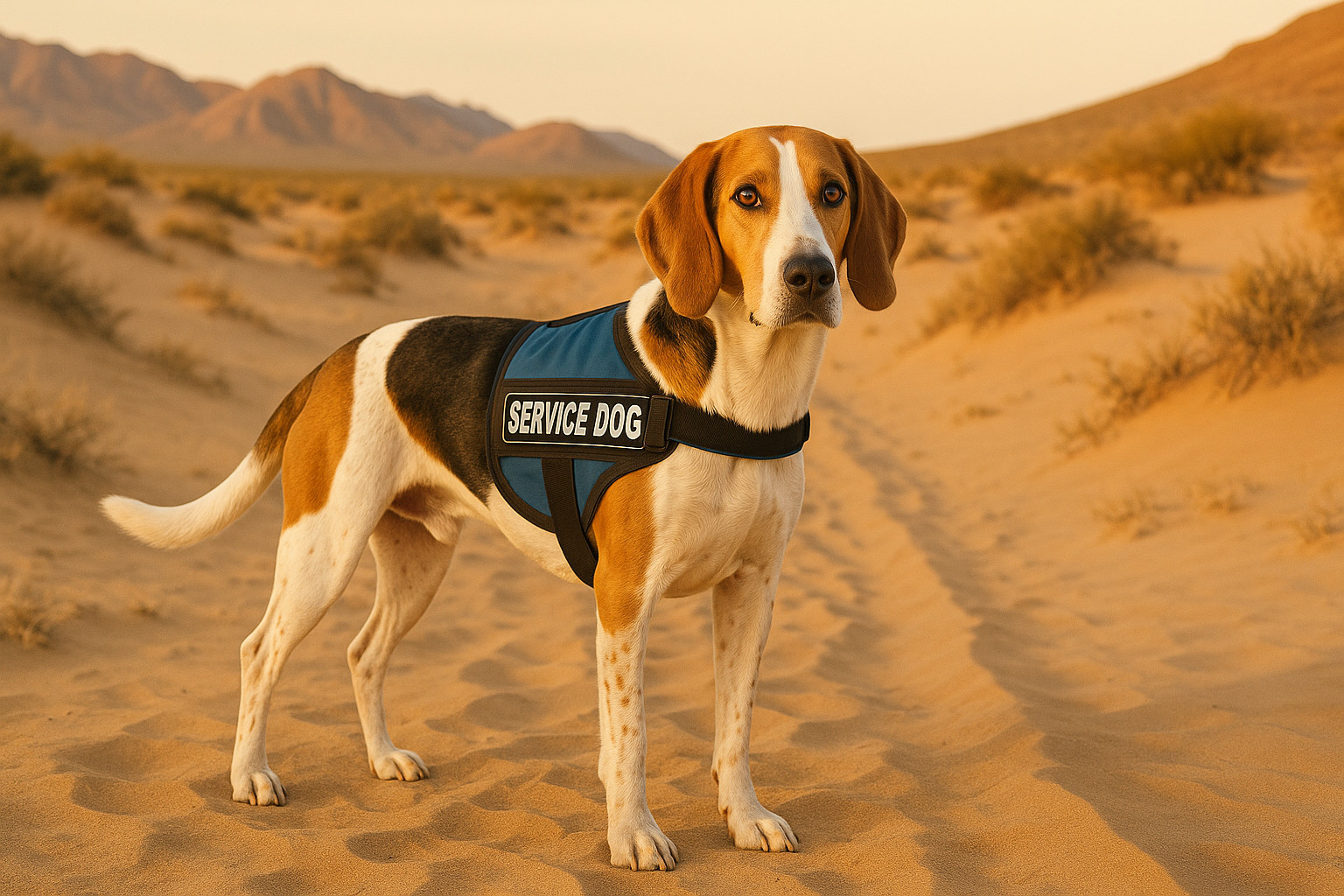
The Harrier, a breed known for its strong hunting instincts and endurance, is often overlooked when considering candidates for service work. However, with the right training and conditions, Harriers have the potential to excel in specific service roles. This article will explore the Harrier’s suitability as a service dog, examining its physical characteristics, temperament, and various service work roles.
Harrier Overview
The Harrier is a medium-sized dog that originally served as a pack hound, primarily used for hunting hares, hence its name. This breed is closely related to the Beagle and the English Foxhound, combining the strength and agility required for active pursuits. Given their unique traits, Harriers have been adapted for roles beyond hunting.
Physical Characteristics
Harriers possess a robust physique characterized by strength and agility, which are essential traits for potential service dogs. Here are some of the physical attributes that influence their suitability for service work:
- Size and Build: Typically, Harriers stand at 18 to 22 inches at the shoulder and weigh between 45 to 60 pounds. Their size makes them suitable for certain types of service work where agility and moderate strength are required, but less suitable for tasks requiring significant strength, such as mobility assistance for larger individuals.
- Energy Levels: Known for their endurance, Harriers have high energy levels. This trait can be advantageous in roles where sustained activity and alertness are required, such as search and rescue operations. However, their energy needs to be managed carefully to prevent restlessness.
- Coat and Maintenance: Harriers have short, dense coats that are easy to maintain. Regular grooming is minimal, making them manageable for handlers who may not have the capacity for extensive grooming routines.
Temperament and Attitude
Understanding the temperament of Harriers is crucial in assessing their potential as service dogs. Their behavior traits and responses to stress are vital considerations for their roles in service work.
- Friendly and Social: Harriers are known for their friendliness and sociability, making them good companions. They are generally good with people and other animals, which is beneficial in public settings typical for service animals.
- Prey Drive: A potential hurdle in using Harriers as service dogs is their strong prey drive. Initially bred for hunting, they may become distracted in environments with small animals or strong scents. Consistent training is crucial to mitigate these instincts.
- Independence and Trainability: Harriers are independent thinkers, which can be a double-edged sword. While they are intelligent and capable of learning complex tasks, their independence may result in stubbornness. Consequently, they require an experienced handler to maintain focus and discipline.
Types of Service Work
Given their traits, Harriers may be more suitable for certain types of service work. Here are roles where they might excel:
- Search and Rescue: Their stamina and sense of smell make Harriers excellent candidates for search and rescue missions. They can cover large areas and remain focused on scent tracking for extended periods.
- Therapy Dogs: With their friendly, affectionate nature and moderate size, Harriers make good therapy dogs. They provide comfort and support in settings such as hospitals or nursing homes, although they must be trained to manage their energy levels appropriately.
- Detection Work: Although they were not initially bred as detection dogs, their scenting abilities make them suitable for detection roles, such as identifying specific odors for medical alert tasks.
Health Considerations
Despite their potential, health considerations are crucial when evaluating Harriers for service work. Some breed-specific conditions may impact their effectiveness and longevity in service roles:
- Hip Dysplasia: Like many medium to large breeds, Harriers are prone to hip dysplasia, which can limit mobility and endurance over time. Regular veterinary care and responsible breeding practices are needed to minimize risks.
- Ear Infections: Their long, floppy ears increase the risk of ear infections. Regular cleaning and monitoring are critical to prevent these conditions, which can affect their alertness and comfort.
- Obesity: High energy levels need to be matched with adequate exercise to prevent obesity, a common issue in inactive dogs. A healthy diet and consistent exercise regime are essential for maintaining their ideal weight.
Training and Suitability
The Harrier's intelligence and independence pose unique challenges in training them for specific tasks. However, their trainability is largely influenced by the approach and consistency of the training regime:
Register Any Breed
- Consistency and Patience: Harriers require consistent training methods with positive reinforcement to harness their intelligence and overcome stubborn tendencies. Training should begin early and incorporate firm, but gentle guidance.
- Distraction Management: Given their prey drive and scenting instincts, training should focus heavily on distraction management. Commands must be clear and consistent, with ample practice in controlled environments before transitioning to more diverse scenarios.
- Advanced Tasks: Harriers can learn advanced tasks with the right motivation and techniques, making them suitable for nuanced roles such as medical alert dogs or therapeutic support companions.
Summary of Harrier
In summary, the Harrier's blend of physical and behavioral traits presents opportunities and challenges as service dogs. They possess attributes that can be harnessed effectively, albeit with the need for understanding and accommodating their unique characteristics. This guide outlines their primary qualities:
- Strengths:
- High endurance and energy levels ideal for active roles
- Friendly and social nature suitable for companionship
- Excellent scenting abilities beneficial for tracking and detection tasks
- Weaknesses:
- Strong prey drive requiring significant training against distractions
- Potential health issues such as hip dysplasia and ear infections
- Independence and occasional stubbornness impacting trainability
- Ideal Service Roles:
- Search and Rescue: Utilizes their stamina and scent capabilities
- Therapy and Companionship: Capitalizes on their friendliness and affection
- Medical Alert and Detection: Leverages their strong scenting abilities
Harriers can be valuable as service dogs when matched with roles that align with their natural capabilities and when provided with structured training and care. Their suitability largely depends on the handler's ability to manage their enthusiasm and instincts, providing a rewarding partnership.


-
Public Access Kits
$149.00 Learn more This product has multiple variants. The options may be chosen on the product page -
Quick Ship Premium Vests
$48.00 – $82.00 Learn more This product has multiple variants. The options may be chosen on the product page -
Service Dog Bandana
$39.95 Learn more This product has multiple variants. The options may be chosen on the product page
Custom ID Cards

Custom ID Cards
Custom Service Dog Tags
Official Dog Vests

Smart Vests
Official Public Access Kits
Complete Kits
USA & CANADA Letters
High Quality Bandanas
Service Dog Tags
Smart Tags

ESA TAGS