Havanese as a Service Dog
Register Any Breed
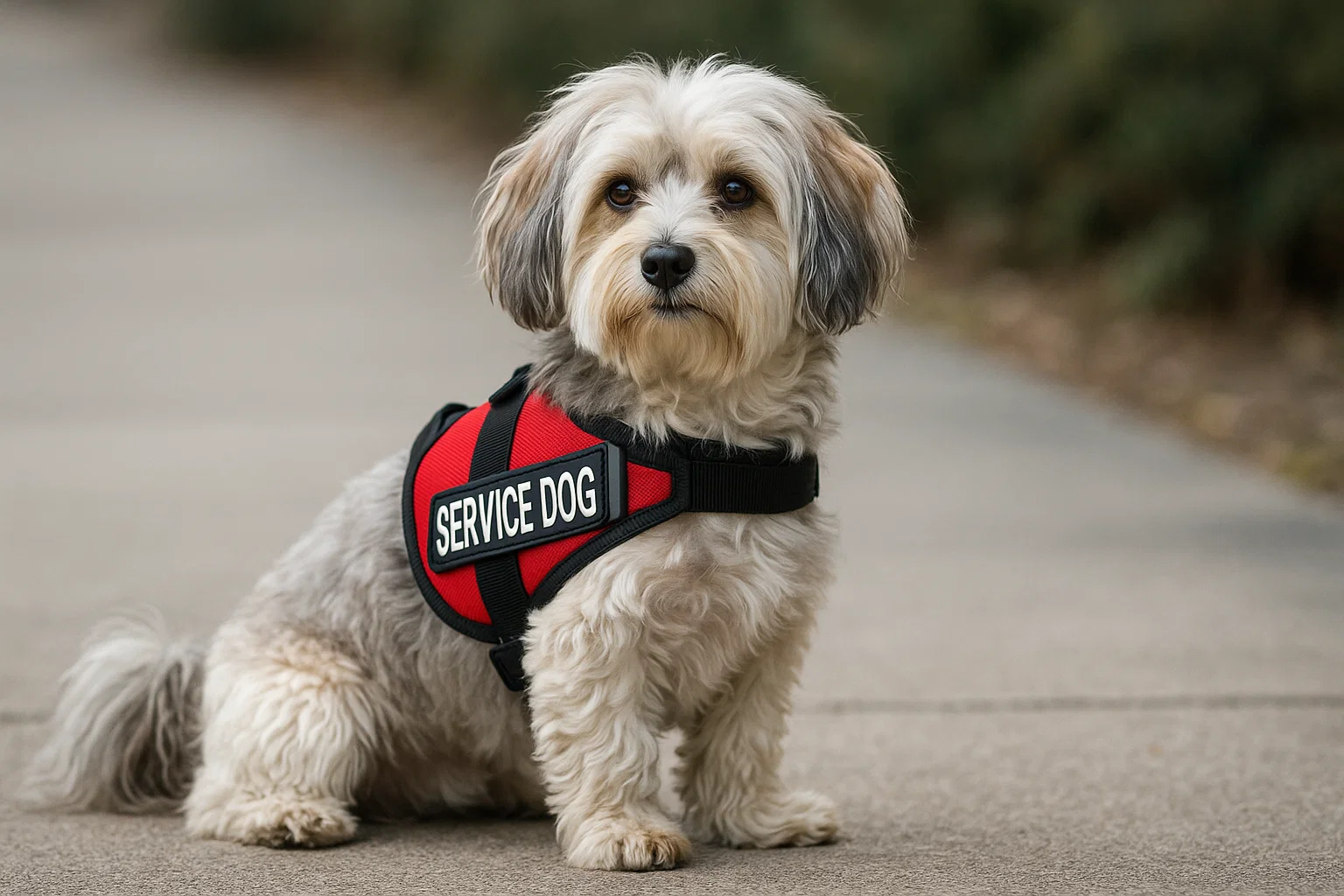
Introduction: While the Havanese is not one of the most commonly recognized service dog breeds, their unique characteristics can make them a suitable choice for certain types of service work. Known for their friendly disposition and adaptability, these small dogs are worth considering for specific roles where their size and temperament are advantageous. This article will delve into the potential of Havanese dogs as service animals, covering their physical traits, temperament, service roles, health considerations, and training suitability.
Havanese Overview
The Havanese is a small yet robust breed with a lineage rooted in companionship. Originating from Cuba, where they enjoyed popularity among the upper class and nobility, these dogs have a rich history of being treasured companions. Their adaptability, intelligence, and affectionate nature make them an ideal choice for service in specific capacities.
Physical Characteristics
The Havanese is a small breed with a distinctive appearance that contributes both to its appeal and potential service capabilities.
- Size and Structure:
The Havanese typically weighs between 7 to 13 pounds and stands around 8 to 11 inches tall. Their small and sturdy frame makes them easy to handle, transport, and manage in various environments.
- Coat and Grooming:
Their coat is long and silky, necessitating regular grooming to maintain its health and appearance. The Havanese is a low-shedding breed, which can be beneficial for individuals who may have mild allergies.
- Energy and Activity Levels:
Despite their small size, Havanese are lively and have moderate energy levels. Regular exercise is necessary to keep them mentally and physically engaged, though they do not require the strenuous exercise needs typical of larger breeds.
Temperament and Attitude
The temperament of the Havanese is one of their most attractive features. Known for being sociable and gentle, they possess several traits that align with the needs of service work:
Register Any Breed
- Affectionate and Loyal:
Havanese form strong bonds with their handlers and are known for their loyalty and desire to please, which are critical traits for service dogs.
- Social and Friendly:
They tend to get along well with people, children, and other animals. This social nature helps them navigate public environments with ease.
- Calm and Adaptable:
Typically, Havanese are not prone to stress-related behaviors, making them suitable for environments that may be busy or unpredictable.
Types of Service Work
While not suitable for all types of service work due to their size, the Havanese can excel in several specialized roles:
- Therapeutic Roles:
Their gentle and friendly nature makes them ideal candidates for therapy dog work, providing comfort and companionship in hospitals, nursing homes, and schools.
- Psychiatric and Emotional Support:
The Havanese can provide critical support for individuals with psychiatric conditions, including anxiety and depression. Their small size makes them easy to bring into various settings, and their intuitive nature can help in grounding individuals during sudden emotional episodes.
- Medical Alert:
Due to their keen sense of smell, some Havanese have been trained for medical alert roles, such as detecting changes in blood sugar levels, although this isn’t as common as in larger breeds.
Health Considerations
Understanding the health considerations of the Havanese is crucial for assessing their suitability as service dogs:
- Common Health Issues:
Havanese are generally healthy, but some are prone to genetic diseases such as hip dysplasia, eye disorders, and heart conditions.
- Longevity and Care Needs:
With a lifespan of around 14 to 16 years, they require lifelong health care considerations and dietary management to prevent obesity, which can affect their overall service capabilities.
- Regular Veterinary Care:
Consistent check-ups are essential to monitor for health issues that could impact their ability to serve effectively.
Training and Suitability
Training a Havanese as a service dog involves understanding their inherent traits and maximizing their potential.
- Trainability:
The Havanese is intelligent and eager to please, making them relatively easy to train. Positive reinforcement approaches work best for this sensitive breed.
- Independence:
While Havanese can show some independence, they generally crave human attention, which enhances their trainability for service roles focused on companionship and support.
- Behavior in Public:
With proper socialization from an early age, Havanese can be well-suited to public access work, though care needs to be taken to ensure they are not overwhelmed by their environment.
Summary of Havanese
In summary, the Havanese can make excellent service dogs within certain parameters, particularly in roles that benefit from their affectionate and adaptable nature. Their small stature and friendly demeanor make them less suited for the more physically demanding roles but provide advantages in therapeutic and emotional support roles.
- Strengths:
- Friendly and sociable
- Eager to please and trainable
- Adaptable to various environments
- Weaknesses:
- Not suitable for roles requiring significant physical strength
- Regular grooming and health care maintenance
- Ideal Service Roles:
- Therapy dog
- Emotional support animal
- Psychiatric service dog
In the correct situation, a well-trained Havanese can offer significant benefits as a service dog, leveraging their natural predispositions towards empathy and companionship.


-
Public Access Kits
$149.00 Learn more This product has multiple variants. The options may be chosen on the product page -
Quick Ship Premium Vests
$48.00 – $82.00 Learn more This product has multiple variants. The options may be chosen on the product page -
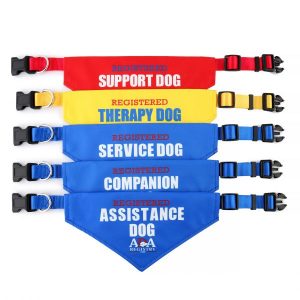
Service Dog Bandana
$39.95 Learn more This product has multiple variants. The options may be chosen on the product page
Custom ID Cards

Custom ID Cards
Custom Service Dog Tags
Official Dog Vests

Smart Vests
Official Public Access Kits
Complete Kits
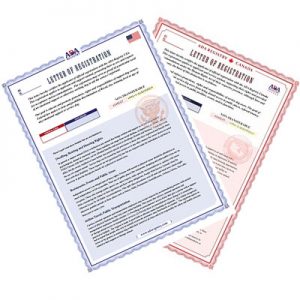
USA & CANADA Letters
High Quality Bandanas
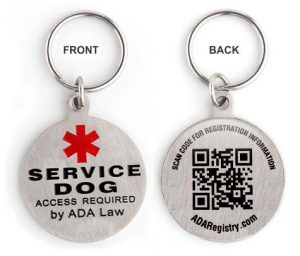
Service Dog Tags
Smart Tags
ESA TAGS