Ibizan Hound as a Service Dog
Register Any Breed
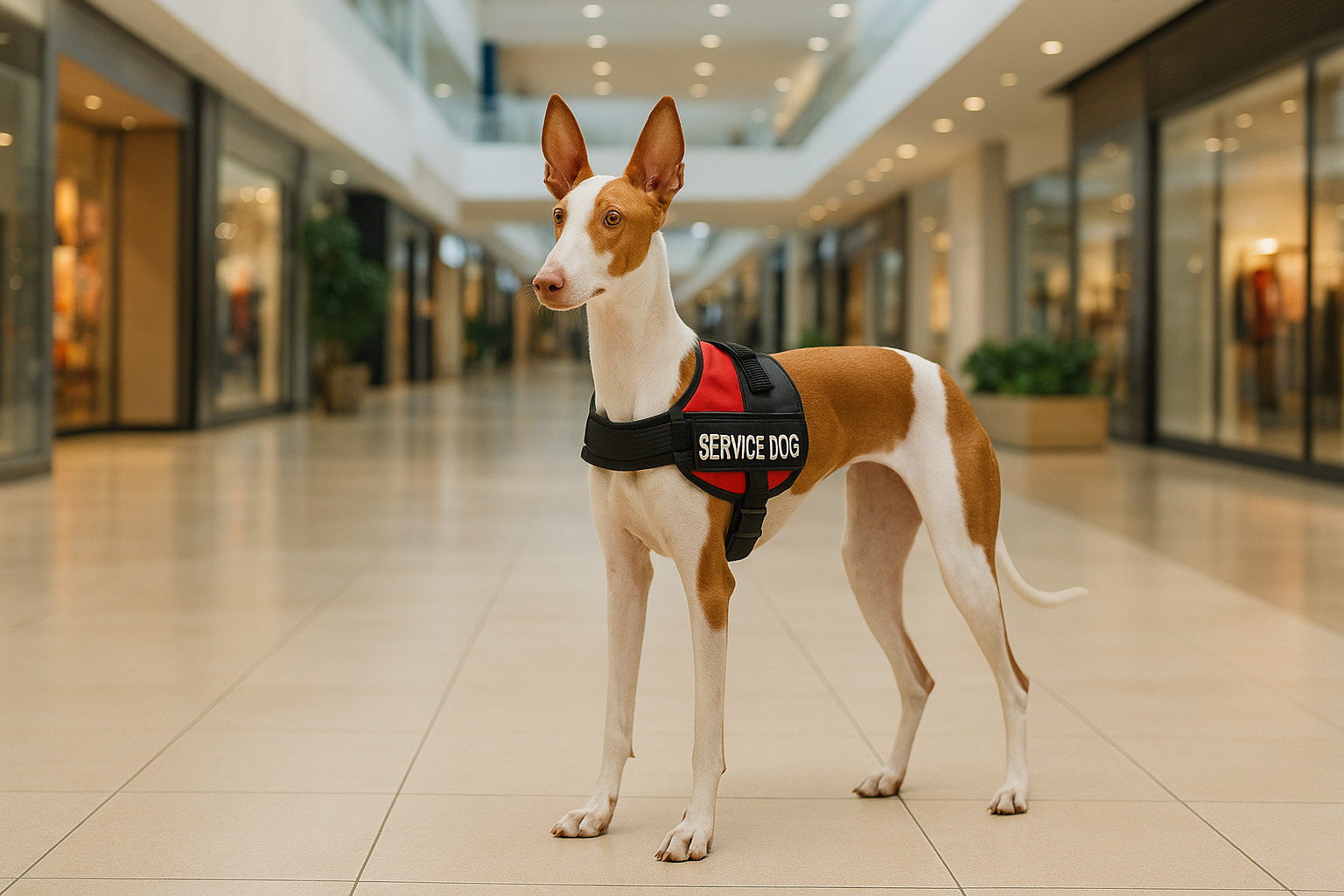
The Ibizan Hound, with its distinctive appearance and unique temperament, often captures the curiosity of dog enthusiasts and potential service dog handlers alike. While not traditionally used as a service breed, certain attributes of the Ibizan Hound make it a potential candidate for specific service roles. This article delves into the relevant characteristics and traits that define the suitability of the Ibizan Hound as a service dog.
Ibizan Hound Overview
Originating from the Balearic Islands in Spain, the Ibizan Hound is an ancient breed reputed for its hunting prowess. Known for its slender, athletic build, and regal stance, the Ibizan Hound was traditionally employed to hunt small game. Over time, its keen sense of sight and agility became highly valued traits. While they have found roles in various dog sports, their potential as service dogs is an emerging consideration.
Physical Characteristics
Ibizan Hounds are immediately recognizable by their tall, lean, and athletic build. They stand at 22 to 28 inches tall at the shoulder and weigh between 45 to 65 pounds, making them a medium-sized breed. Their elongated necks, large upright ears, and sleek coats contribute to an appearance of elegance and agility.
- Size and Strength: Medium-sized, making them manageable for a variety of handlers. However, they are not suitable for tasks requiring significant physical strength or weight-bearing.
- Energy Levels: Extremely high energy, requiring ample exercise and mental stimulation.
- Agility: Highly agile and swift, adept at performing tasks that require quick movements and spatial awareness.
Temperament and Attitude
Ibizan Hounds possess a unique temperament characterized by intelligence, independence, and sensitivity. They are often affectionate with their families but can be reserved with strangers.
- Disposition in Public: Generally calm and observant in public, but may display aloofness to unfamiliar people or environments.
- Independence: Their independent streak can pose a challenge in service work, necessitating consistent training and handling.
- Focus and Attention: Capable of high concentration for tasks but may be easily distracted by prey-like movements due to their hunting background.
Types of Service Work
While not traditionally used as service dogs, some characteristics of the Ibizan Hound lend themselves to specific service roles. Their agile bodies and keen senses make them potentially suitable for certain types of assistance tasks.
- Medical Alert: With training, their sensitivity can be honed for detecting specific scents related to medical conditions such as diabetes or seizures.
- Emotional Support or Psychiatric Roles: Their affectionate nature and sensitivity make them suitable companions for emotional support, although they may not thrive in highly demanding roles.
- Limited Mobility Assistance: Due to their medium size and agility, they might be suitable for retrieving items or opening doors but not for heavy-duty mobility tasks.
Health Considerations
As with any breed, potential health considerations must be accounted for when evaluating the Ibizan Hound for service work. Genetic predispositions and general health issues can affect their service potential.
- Genetic Conditions: Predisposed to hip dysplasia, deafness, and eye issues such as cataracts, which may limit their capacity for certain service tasks.
- Longevity: Generally healthy, with a lifespan of 12 to 14 years. Long service life is possible if well cared for.
- Feeding and Exercise Needs: High energy demands require a nutrient-rich diet and regular, intense exercise to maintain health and performance.
Training and Suitability
Training an Ibizan Hound as a service dog presents unique challenges due to their independent nature. However, with the right approach, they can be trained for specific tasks.
Register Any Breed
- Trainability: Highly intelligent but can be stubborn. Positive reinforcement and consistency are key in their training regimes.
- Intelligence vs. Independence: Their intelligence allows for learning complex tasks, but their desire for autonomy requires patient and persistent training strategies.
- Public Behavior: Requires thorough socialization from a young age to ensure calmness and confidence in diverse public environments.
Summary of Ibizan Hound
In conclusion, while not a conventional service dog breed, the Ibizan Hound's unique set of traits offers niche potential for specific service roles. Careful consideration of their characteristics and consistent training can harness their capabilities effectively.
Key strengths, weaknesses, and ideal service roles for the Ibizan Hound:
- Strengths:
- High agility and keen senses suitable for specific alert tasks.
- Affectionate nature supports emotional and psychiatric assistance roles.
- Distinctive and professional appearance.
- Weaknesses:
- Strong prey drive may lead to distractions.
- Independent nature can pose challenges in training and compliance.
- Medium size limits roles involving significant physical assistance.
- Ideal Service Roles:
- Medical Alert for specific conditions.
- Emotional Support and Psychiatric Service.
- Task-based assistance for limited mobility tasks.
The Ibizan Hound's ability to adapt and its potential contribution to specific service tasks showcase its value beyond traditional roles, offering a harmonious blend of function and companionship.


-
Public Access Kits
$149.00 Learn more This product has multiple variants. The options may be chosen on the product page -
Quick Ship Premium Vests
$48.00 – $82.00 Learn more This product has multiple variants. The options may be chosen on the product page -
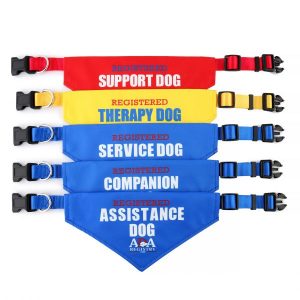
Service Dog Bandana
$39.95 Learn more This product has multiple variants. The options may be chosen on the product page
Custom ID Cards

Custom ID Cards
Custom Service Dog Tags
Official Dog Vests

Smart Vests
Official Public Access Kits
Complete Kits
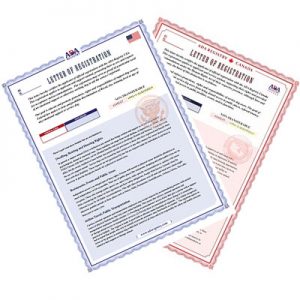
USA & CANADA Letters
High Quality Bandanas
Service Dog Tags
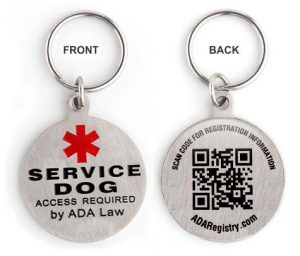
Smart Tags

ESA TAGS