Japanese Chin as a Service Dog
Register Any Breed
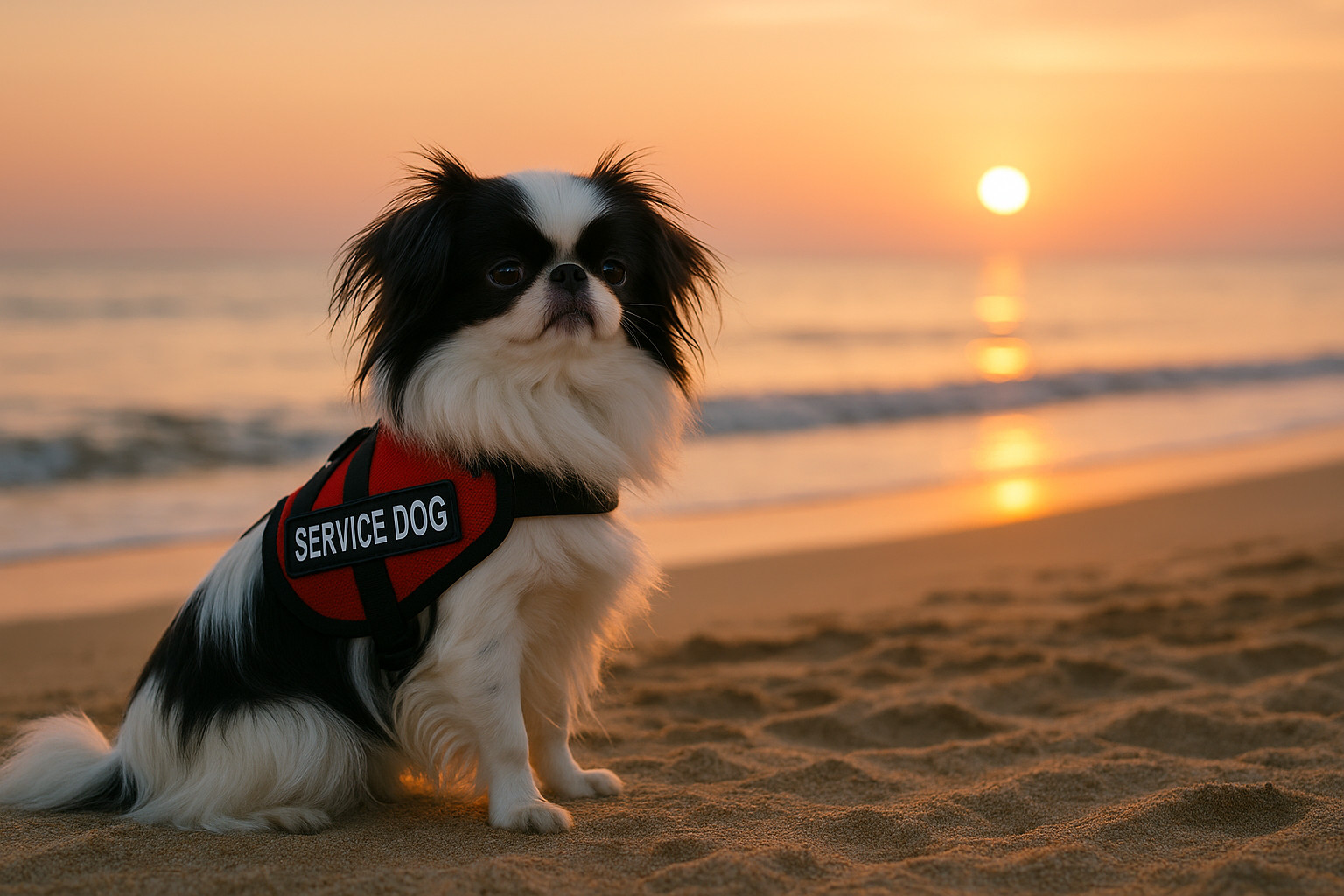
The concept of service dogs often conjures images of larger breeds like the Golden Retriever or the German Shepherd, but smaller breeds such as the Japanese Chin can also be excellent service dogs, fulfilling specific roles that suit their unique attributes. Let’s explore the characteristics and traits of the Japanese Chin to understand its suitability as a service dog.
Japanese Chin Overview
The Japanese Chin is a lively, elegant toy breed with a history rooted in royal companionship. Known for their charming personalities and aristocratic demeanor, Japanese Chins are small dogs that exude grace and alertness, making them a unique choice for certain types of service work.
Physical Characteristics
The Japanese Chin is a small breed, typically weighing between 4 to 9 pounds and standing 8 to 11 inches tall at the shoulder. Their size presents the following points regarding their suitability as service dogs:
- Portability: Their small size makes them highly portable, ideal for individuals needing a service dog they can easily manage and transport.
- Physical Limitations: Due to their size, they are not suitable for tasks requiring significant physical strength, such as mobility or brace work.
- Adaptability: They are well-suited to apartment living and do not require large spaces or extensive physical activity.
Their distinctive features include a broad face, large expressive eyes, and a silky coat, which requires regular grooming to maintain. This grooming need should be considered as a part of the commitment required when selecting a Japanese Chin as a service dog.
Temperament and Attitude
The Japanese Chin's temperament is characterized by:
- Affectionate Nature: They are known for their devotion and affectionate demeanor towards their owners, providing emotional support and companionship.
- Alert and Intelligent: They have a keen sense of awareness, which can be advantageous in tasks requiring vigilance, such as alerting to certain sounds or the presence of people.
- Independent yet Loyal: While loyal to their owners, they can display an independent streak, making consistent training essential.
Due to these temperament traits, Chins are most suited to environments where their affectionate nature can shine, and their independence doesn't hinder their effectiveness.
Types of Service Work
While the Japanese Chin may not excel in every type of service work, they are particularly suited to roles that align with their strengths:
Register Any Breed
- Emotional Support and Therapy: Their gentle, loving nature makes them excellent emotional support animals (ESAs), providing comfort to those with mental or emotional challenges.
- Hearing Assistance: Their alertness and response to sound can benefit individuals with hearing impairments, as they can be trained to alert their owners to important sounds.
- Medical Alert: Although less common, their acute sense of awareness can be tapped for specific medical alert tasks if properly trained.
Their suitability in these roles largely hinges on their ability to form strong bonds and provide emotional reassurance, rather than physical assistance.
Health Considerations
Like all breeds, the Japanese Chin is predisposed to specific health issues that need to be considered when evaluating their role as a service dog:
- Respiratory Problems: Brachycephalic (short-nosed) breeds like the Chin can suffer from breathing difficulties, impacting their ability to perform in high-stress or physically demanding situations.
- Eye Conditions: Their prominent eyes are vulnerable to injury and conditions such as cataracts, which can affect their serving capabilities.
- Joint Problems: Although less common, potential patellar luxation (knee dislocation) can affect mobility and comfort.
Prospective owners must weigh these health considerations when contemplating a Chin for service work, as it may influence their longevity and performance.
Training and Suitability
Given their intelligence and moderate energy levels, Japanese Chins can be trained effectively for specific tasks:
- Trainability: They respond well to positive reinforcement techniques but may require patience due to their independent tendencies.
- Socialization Needs: Proper socialization from an early age ensures they remain confident and well-behaved in public settings.
- Suitability: Ideal for individuals requiring emotional support or assistance in quieter, controlled environments, rather than high-activity service roles.
These aspects underline the importance of selecting training methods that both motivate and respect the dog's temperament, ensuring effectiveness in their service role.
Summary of Japanese Chin
The Japanese Chin represents a niche choice for a service animal, offering certain strengths that suit specific service roles:
Strengths:
- Excellent emotional support and companionship
- Alert and aware, capable of hearing assistance tasks
- Portable and manageable due to small size
Weaknesses:
- Limited physical capabilities due to size
- Health vulnerabilities, including respiratory and eye issues
- Independent streak that may challenge training
Ideal Service Roles:
- Emotional Support Animal (ESA)
- Therapy roles where companionship is primary
- Hearing assistance with specific training
In conclusion, while the Japanese Chin may not be a universal service dog choice, it can flourish in roles that capitalize on its emotional intelligence and steadfast dedication to its handler. Proper training, along with awareness of the breed's health and temperament, can unlock their potential as a uniquely capable service companion.


-
Public Access Kits
$149.00 Learn more This product has multiple variants. The options may be chosen on the product page -
Quick Ship Premium Vests
$48.00 – $82.00 Learn more This product has multiple variants. The options may be chosen on the product page -
Service Dog Bandana
$39.95 Learn more This product has multiple variants. The options may be chosen on the product page
Custom ID Cards

Custom ID Cards
Custom Service Dog Tags
Official Dog Vests
Smart Vests
Official Public Access Kits
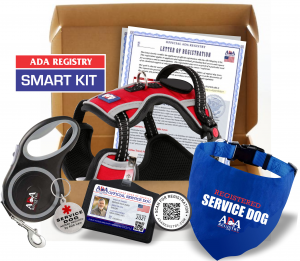
Complete Kits
USA & CANADA Letters
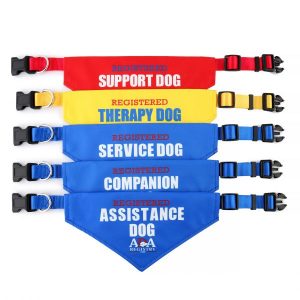
High Quality Bandanas
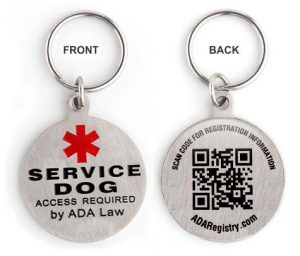
Service Dog Tags
Smart Tags
ESA TAGS