Lancashire Heeler as a Service Dog
Register Any Breed
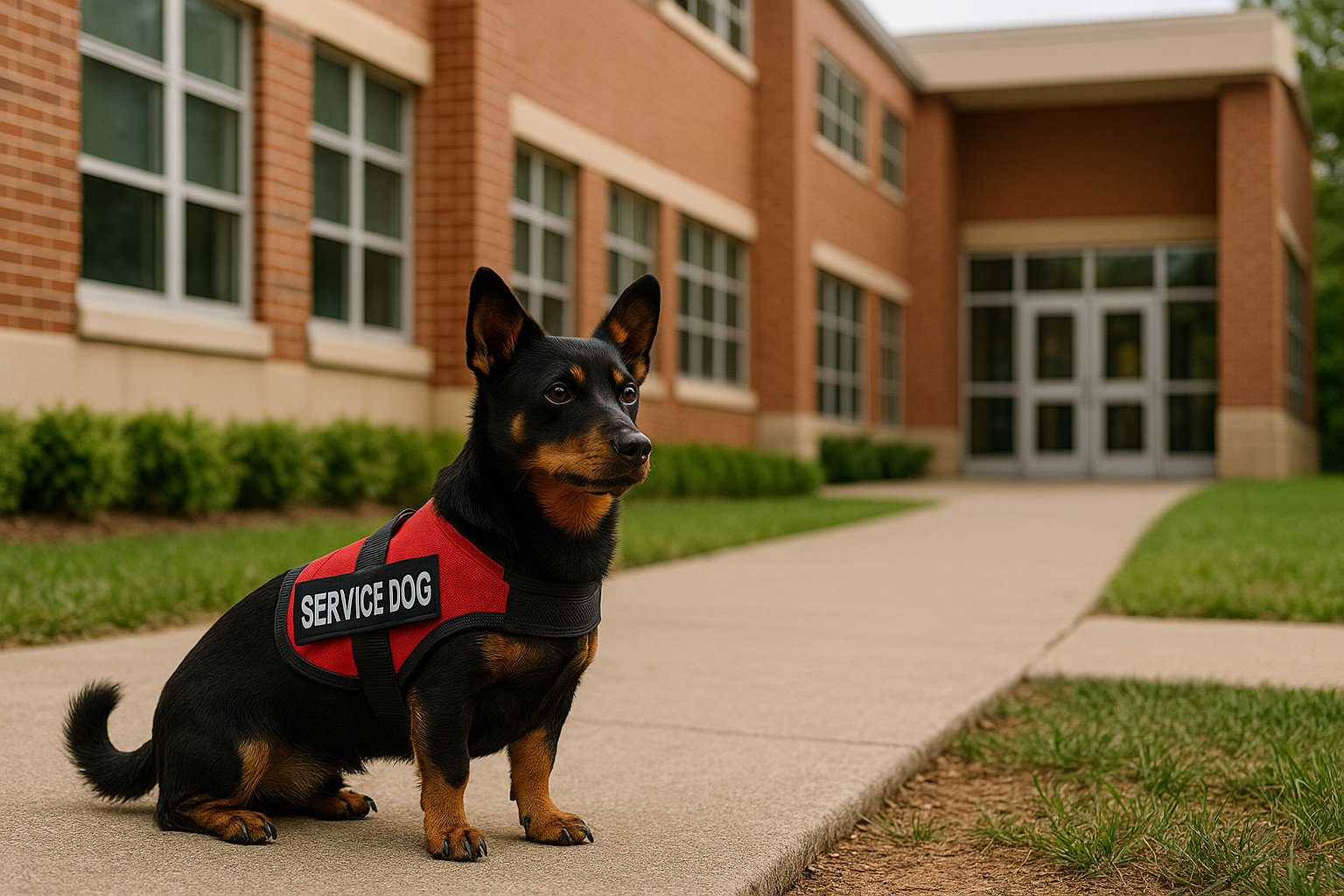
The world of service dogs is wide and varied, with many breeds lending their unique skills to assist humans in need. One such breed, though lesser-known, is the Lancashire Heeler. Originating from England, this small yet sturdy breed boasts an array of characteristics that can be beneficial—or not—in the demanding role of a service dog. This comprehensive guide delves into the Lancashire Heeler's attributes, evaluating their suitability for service work.
Lancashire Heeler Overview
The Lancashire Heeler, with its compact size and alert nature, has traditionally been a working dog. Originally bred for herding and ratting, Heelers are agile, intelligent, and exhibit a cheerful disposition. Their history as a hardworking breed influences their modern potential as service animals.
Physical Characteristics
Unlike larger breeds commonly associated with service work, the Lancashire Heeler is small and nimble. Typically weighing between 6 to 13 kilograms (13 to 29 pounds) and reaching a height of about 25 to 30 centimeters (10 to 12 inches) at the withers, their size is both a strength and a limitation. This diminutive stature makes them ideal for roles that require mobility rather than strength.
Their short, weather-proof coats are practical for varied climates, reducing grooming requirements that can be demanding in other service breeds. The coat colors range from black and tan to liver and tan, providing uniformity in professional settings.
Physical Suitability for Service Work:
- Ideal for tasks requiring agility and maneuverability
- Too small for mobility support roles such as pulling wheelchairs
- Suitable for environments where size is a constraint
Temperament and Attitude
The Lancashire Heeler is renowned for its lively and intelligent personality. These attributes can serve well in service dog roles:
- Alertness and Responsiveness: Their high alertness level ensures they react promptly to commands or changes in their environment.
- Loyalty and Bonding: Heelers typically form strong bonds with their handlers, enhancing their effectiveness as service dogs.
- Independence: While independence can be advantageous, it may require careful handling to ensure adherence to commands, highlighting the necessity for consistent training.
Their natural enthusiasm and energy make them well-suited for environments requiring regular activity. However, this same trait demands an owner skilled at channeling energy into productive tasks. Distractions in bustling settings could challenge some Lancashire Heelers.
Register Any Breed
Types of Service Work
Determining a Lancashire Heeler's suitability for service work involves matching their natural abilities with specific service domains. Their intelligence and agility render them competent in roles such as:
- Medical Alert Dogs: They excel in detecting changes in their owner's health condition, such as alerting to low blood sugar or impending seizures.
- Psychiatric Service Dogs: Their loyal nature helps them support individuals with anxiety or PTSD, offering companionship and reassurance.
- Hearing Assistance: Their alert nature can assist individuals with hearing impairments by alerting their handler to alarms or doorbells.
The Lancashire Heeler is less suited for tasks requiring physical strength, such as mobility assistance, given their smaller frame. However, their keen senses make them valuable for alert-based assistance roles.
Health Considerations
When evaluating a breed's potential as a service dog, health is a crucial factor. Lancashire Heelers have several health considerations:
- Primary Lens Luxation (PLL): A genetic condition affecting the eye, leading to potential blindness.
- Patellar Luxation: A knee disorder that can affect mobility, thus limiting service work roles, especially as the dog ages.
- Collie Eye Anomaly (CEA): An inherited condition affecting the eyes.
Preventative measures, including regular veterinary check-ups and genetic testing, are vital to managing these potential health issues.
Training and Suitability
One of the hallmarks of the Lancashire Heeler is its trainability. Their intelligence enables them to learn a wide array of commands and tasks essential for service work. However, their independent streak means that training should start early, employing positive reinforcement techniques to guide their learning process.
- Positive Reinforcement: Utilizes treats, praise, and play to encourage desired behaviors.
- Consistent Training Schedule: Regular and structured sessions aid in maintaining their focus and discipline.
- Problem Solving Skills: Encouraging problem-solving tasks can leverage their intelligence and enhance training outcomes.
Though trainable, the Lancashire Heeler's independence might pose difficulties for first-time or inexperienced trainers. A firm yet gentle approach with consistent guidance is optimal for honing their service capabilities.
Summary of Lancashire Heeler
The Lancashire Heeler presents a unique combination of agility, intelligence, and energy, making it a potential candidate for specific service roles. Here’s a quick summary of their strengths, weaknesses, and ideal service roles:
Key Strengths:
- High agility and quick responsiveness
- Strong bond with handlers
- Suitable for medical alert or psychiatric support roles
Weaknesses:
- Limited by small size for physical tasks
- Requires experienced handlers due to their independent nature
- Vulnerable to specific genetic health issues
Ideal Service Roles:
- Medical Alert Dogs
- Psychiatric Service Dogs
- Hearing Assistance Dogs
In essence, while the Lancashire Heeler may not be the prototype of a service dog, their distinctive characteristics can be leveraged effectively with the right training and management. They thrive in environments where their alertness and loyalty are treasured assets, provided their specific health needs and training challenges are robustly addressed.


-
Public Access Kits
$149.00 Learn more This product has multiple variants. The options may be chosen on the product page -
Quick Ship Premium Vests
$48.00 – $82.00 Learn more This product has multiple variants. The options may be chosen on the product page -
Service Dog Bandana
$39.95 Learn more This product has multiple variants. The options may be chosen on the product page
Custom ID Cards

Custom ID Cards
Custom Service Dog Tags
Official Dog Vests
Smart Vests
Official Public Access Kits
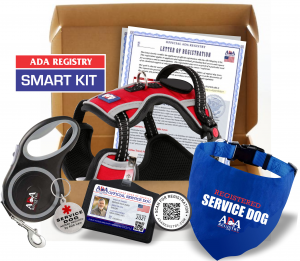
Complete Kits
USA & CANADA Letters
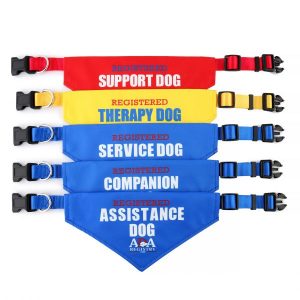
High Quality Bandanas
Service Dog Tags
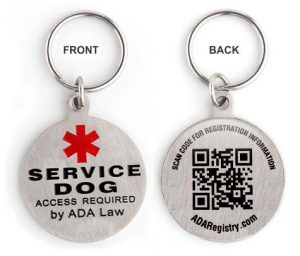
Smart Tags
ESA TAGS