Mastiff as a Service Dog
Register Any Breed
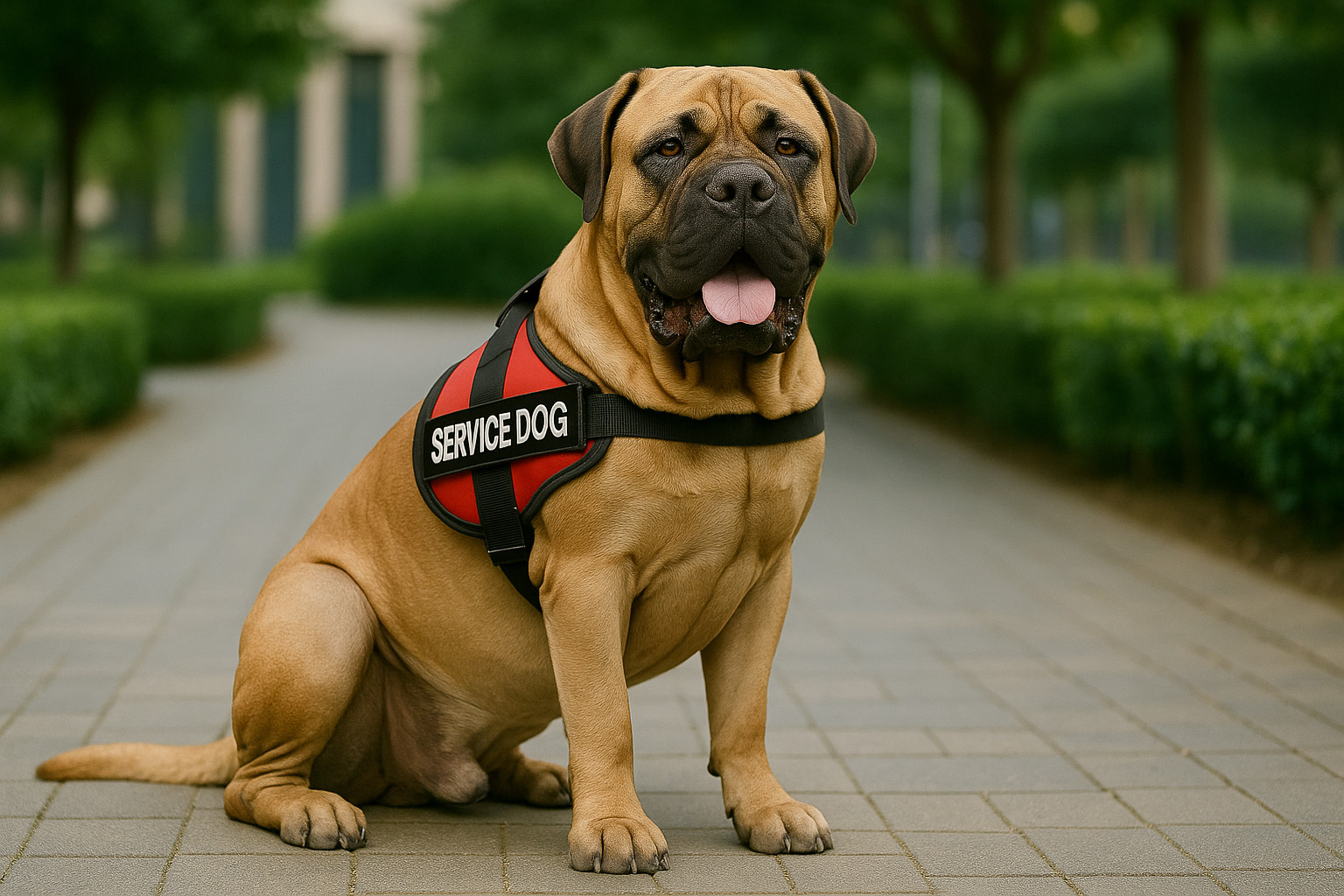
Service dogs play a crucial role in the lives of individuals with disabilities or specific needs, offering assistance, companionship, and a greater sense of independence. While many people consider popular breeds like the Labrador Retriever or Golden Retriever for service work, the Mastiff is an often overlooked, yet potentially suitable breed. This article delves into the characteristics of Mastiffs, their potential as service dogs, and the factors that influence this suitability.
Mastiff Overview
Physical Characteristics
Mastiffs are one of the largest dog breeds, renowned for their impressive size and strength, which is both a boon and a challenge in service work. Typically, adult male Mastiffs can weigh between 160 to 230 pounds, while females usually range from 120 to 170 pounds. Their sheer bulk can be an advantage in providing stability and support for individuals requiring mobility assistance.
- Size and Strength: Their substantial size makes them ideal for roles requiring physical support, such as brace and mobility assistance. They can bear weight effectively, aiding users in standing or stabilizing their gait.
- Build and Endurance: Despite their size, Mastiffs are not typically high-energy dogs. They have a muscular and sturdy build, yet they may tire more quickly compared to smaller, more agile breeds. This means they may be better suited to tasks that do not require long periods of physical exertion.
- Appearance: With a broad chest, thick neck, and a massive head, Mastiffs possess a formidable presence, which can be both a deterrent against any threats and a comforting presence for the handler.
Temperament and Attitude
Mastiffs are known for their gentle and loving nature, which can be a vital trait for any service dog. Their temperament is generally calm and even-tempered, making them well-suited for environments that require patience and sensitivity.
- Gentleness: Despite their intimidating size, Mastiffs are renowned for their gentle demeanor. They can provide a calming influence and are particularly good with children and other animals, although their interactions should always be supervised due to their size.
- Protective Instincts: While they have protective instincts, Mastiffs are not typically aggressive without provocation. This intuition can be beneficial in ensuring their handler’s safety, but it’s critical for these instincts to be properly managed through training.
- Socialization Needs: Early and consistent socialization is crucial. Mastiffs need exposure to various people, environments, and situations to develop into adaptable service dogs prepared for any scenario.
Types of Service Work
While Mastiffs have some attributes that lend themselves to service work, their large size and specific characteristics make them better suited to particular roles.
- Mobility Assistance: Due to their strength, Mastiffs are excellent for mobility assistance, helping individuals with balance and support. Their sturdy frames can help users rise from a seated position or provide steady pressure to prevent falls.
- Psychiatric Service: Their calm demeanor and strong bond with their handler can make Mastiffs effective in psychiatric service roles, where they provide comfort and reassurance during anxiety or PTSD episodes.
- Emotional Support: As emotional support animals (ESAs), Mastiffs excel by offering companionship and soothing their owners with their gentle presence. However, it’s important to note that ESAs are not classified as service animals under the ADA.
- Limited Suitability for Tasks: Their size may hinder their ability to perform tasks suited to smaller dogs, such as retrieving items or alerting handlers in crowded public spaces due to maneuverability challenges.
Health Considerations
Like many large breeds, Mastiffs are prone to specific health issues that may impact their effectiveness and longevity as service dogs.
- Joint Pain and Dysplasia: Mastiffs are susceptible to hip and elbow dysplasia, which can affect their movement and ability to perform mobility tasks over time.
- Gastric Dilatation-Volvulus (GDV): Also known as bloat, GDV is a life-threatening condition common in large, deep-chested breeds. Proper diet management and monitoring are essential to prevent this.
- Lifespan: With an average lifespan of 7-10 years, Mastiffs have a shorter working life compared to smaller breeds, which may also impact their long-term service potential.
Training and Suitability
Training a Mastiff as a service dog requires patience, consistency, and a firm but gentle approach. Their intelligence and willingness to please can lead to successful outcomes with the right techniques.
- Trainability: Mastiffs are intelligent but may exhibit stubbornness. Positive reinforcement and motivation-based training are most effective for this breed. Early training and socialization are critical to ensure they are well-adjusted to varied environments and tasks.
- Independence: While they enjoy the company of their handlers, Mastiffs are also known for their independent streak. It’s crucial to establish a balance between nurturing this independence and ensuring they don’t become too aloof or unresponsive.
- Adaptation Challenges: Due to their size and laid-back nature, Mastiffs might not adapt well to fast-paced or unpredictable environments. They thrive in stable, calm settings where their methodical pace and thoughtful demeanor can shine.
Summary of Mastiff
In summary, while Mastiffs may not be the first breed that comes to mind for service work, their unique set of attributes makes them viable candidates in specific roles. Here’s a quick overview of their key strengths, weaknesses, and ideal service roles:
Register Any Breed
- Strengths:
- Exceptional size and strength for physical support
- Gentle and calm demeanor
- Strong protective instincts and loyalty
- Weaknesses:
- Susceptibility to joint issues and health concerns
- Lower stamina and endurance
- Potential challenges in crowded or dynamic environments
- Ideal Service Roles:
- Mobility assistance
- Psychiatric service work
- Emotional support
Ultimately, selecting the right service dog breed hinges on the specific needs of the individual, the tasks required, and the dog’s inherent traits. Mastiffs, with their gentle yet sturdy nature, can fulfill valuable service roles where their strengths are maximized, and their limitations are managed effectively.


-
Public Access Kits
$149.00 Learn more This product has multiple variants. The options may be chosen on the product page -
Quick Ship Premium Vests
$48.00 – $82.00 Learn more This product has multiple variants. The options may be chosen on the product page -
Service Dog Bandana
$39.95 Learn more This product has multiple variants. The options may be chosen on the product page
Custom ID Cards

Custom ID Cards
Custom Service Dog Tags
Official Dog Vests

Smart Vests
Official Public Access Kits
Complete Kits
USA & CANADA Letters
High Quality Bandanas
Service Dog Tags
Smart Tags

ESA TAGS