Mudi as a Service Dog
Register Any Breed
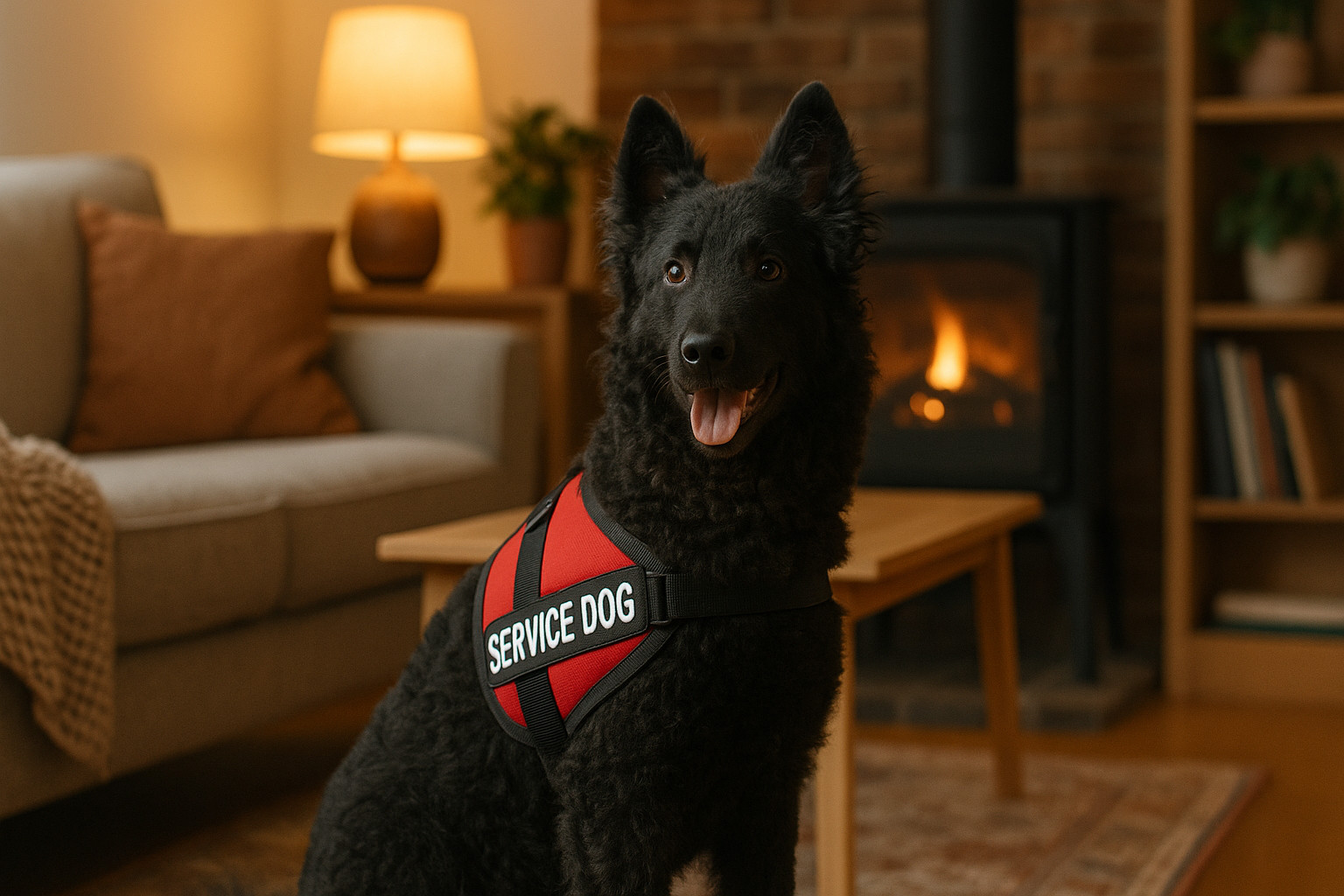
The role of a service dog is demanding, requiring intelligence, resilience, and impeccable behavior. While breeds like the Labrador Retriever and Golden Retriever often dominate this field, the Mudi has been gaining attention as a potential candidate for service work. This article will explore the traits, abilities, and challenges associated with the Mudi as a service dog, offering a comprehensive guide on their suitability for such important work.
Mudi Overview
Originating from Hungary, the Mudi is a versatile herding breed known for its agility, intelligence, and keen sense of responsibility. This lesser-known breed is respected in its native country for working alongside shepherds, ensuring livestock is managed efficiently. Their unique characteristics have recently positioned them as a potential breed for service dog roles, making them an intriguing choice for those seeking a service animal.
Physical Characteristics
The Mudi is a medium-sized dog, typically weighing between 18 to 29 pounds, with a height ranging from 15 to 19 inches at the shoulder. Their compact size allows them to be agile and quick, yet they are sturdy enough to handle physical tasks.
- Advantages:
- Their size makes them suitable for individuals with smaller living spaces, such as apartments.
- This breed’s agility enables them to perform tasks that require dexterity and quick movements.
However, their smaller stature may limit their ability to perform certain types of physical assistance that require more strength, such as mobility support for larger individuals.
Temperament and Attitude
Mudis are known for their lively and active demeanor, coupled with a strong work ethic. These characteristics make them both lovable companions and diligent workers:
- Temperament:
- Naturally protective and alert, the Mudi excels in roles requiring vigilance.
- They possess a strong focus, which is essential for remaining task-oriented in various situations.
- Their friendly yet watchful nature can be ideal for tasks involving public interaction.
Despite these positive traits, their high energy levels and need for mental stimulation mean that inexperienced handlers might find it challenging to keep them engaged or manage their energy in high-stress environments.
Types of Service Work
Given their attributes, Mudis can be trained to excel in several types of service work:
Register Any Breed
- Psychiatric Service Work:
- Their keen sense of awareness makes them adept at providing comfort and reacting to changes in their handler’s emotional state.
- Hearing Assistance:
- With their acute hearing and responsiveness, they can alert individuals with hearing impairments to sounds like doorbells, alarms, or approaching vehicles.
- Medical Alert:
- The breed’s natural attentiveness allows them to be trained for medical alert tasks, such as detecting seizures or drops in blood sugar levels.
Their size and strength might limit their abilities as mobility service dogs, although they can still be effective in tasks not requiring significant physical support.
Health Considerations
While generally robust, the Mudi breed can be susceptible to certain health issues that could impact their performance as service dogs:
- Common concerns include hip dysplasia and elbow dysplasia, which could affect their ability to perform energetic tasks or endure long hours of work.
- Epilepsy has been noted within the breed, making it crucial for prospective handlers to seek puppies from reputable breeders who test for these conditions.
Routine veterinary care and health screenings are essential to ensure their suitability and longevity in service roles.
Training and Suitability
Mudis are highly trainable, known for their eagerness to learn and please. Their intelligence allows them to understand complex commands, and their loyalty ensures they remain focused on their handler’s needs:
- Training:
- Early socialization and consistent, positive reinforcement training techniques are vital.
- They respond well to structured routines that keep them physically and mentally stimulated.
- Suitability:
- Best suited for handlers who lead active lifestyles and can provide ample opportunities for exercise and mental challenges.
- Due to their energy levels and need for stimulation, handlers must be prepared to engage with the Mudi regularly.
Summary of Mudi
The Mudi’s combination of intelligence, agility, and dedication can make them exceptional service dogs for the right handlers. However, their suitability depends on the specific service needs and the handler’s ability to manage their high energy and provide ongoing training.
Key Strengths:
- Agile and quick, ideal for dynamic tasks.
- Highly intelligent, making them easy to train.
- Alert and attentive, with strong focus capabilities.
Potential Weaknesses:
- High energy levels require significant exercise and mental stimulation.
- Size may limit physical support capabilities.
- Potential health issues could impact long-term service work.
Ideal Service Roles:
- Psychiatric service for emotional support and stress mitigation.
- Hearing assistance roles, utilizing their acute auditory senses.
- Medical alert tasks, relying on their attentiveness and perceptiveness.
In conclusion, the Mudi could be a great asset as a service dog for those who can match this breed’s vivacity and dedication, resonating with their unique needs and aptitudes.


-
Public Access Kits
$149.00 Learn more This product has multiple variants. The options may be chosen on the product page -
Quick Ship Premium Vests
$48.00 – $82.00 Learn more This product has multiple variants. The options may be chosen on the product page -
Service Dog Bandana
$39.95 Learn more This product has multiple variants. The options may be chosen on the product page
Custom ID Cards

Custom ID Cards
Custom Service Dog Tags
Official Dog Vests
Smart Vests
Official Public Access Kits
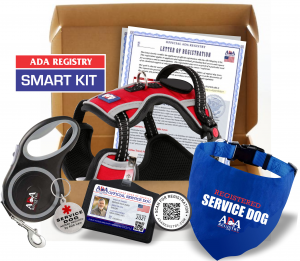
Complete Kits
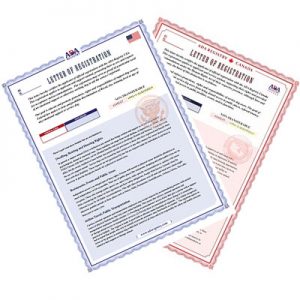
USA & CANADA Letters
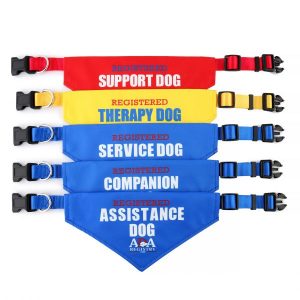
High Quality Bandanas
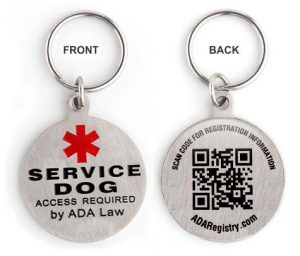
Service Dog Tags
Smart Tags

ESA TAGS