Norwegian Elkhound as a Service Dog
Register Any Breed
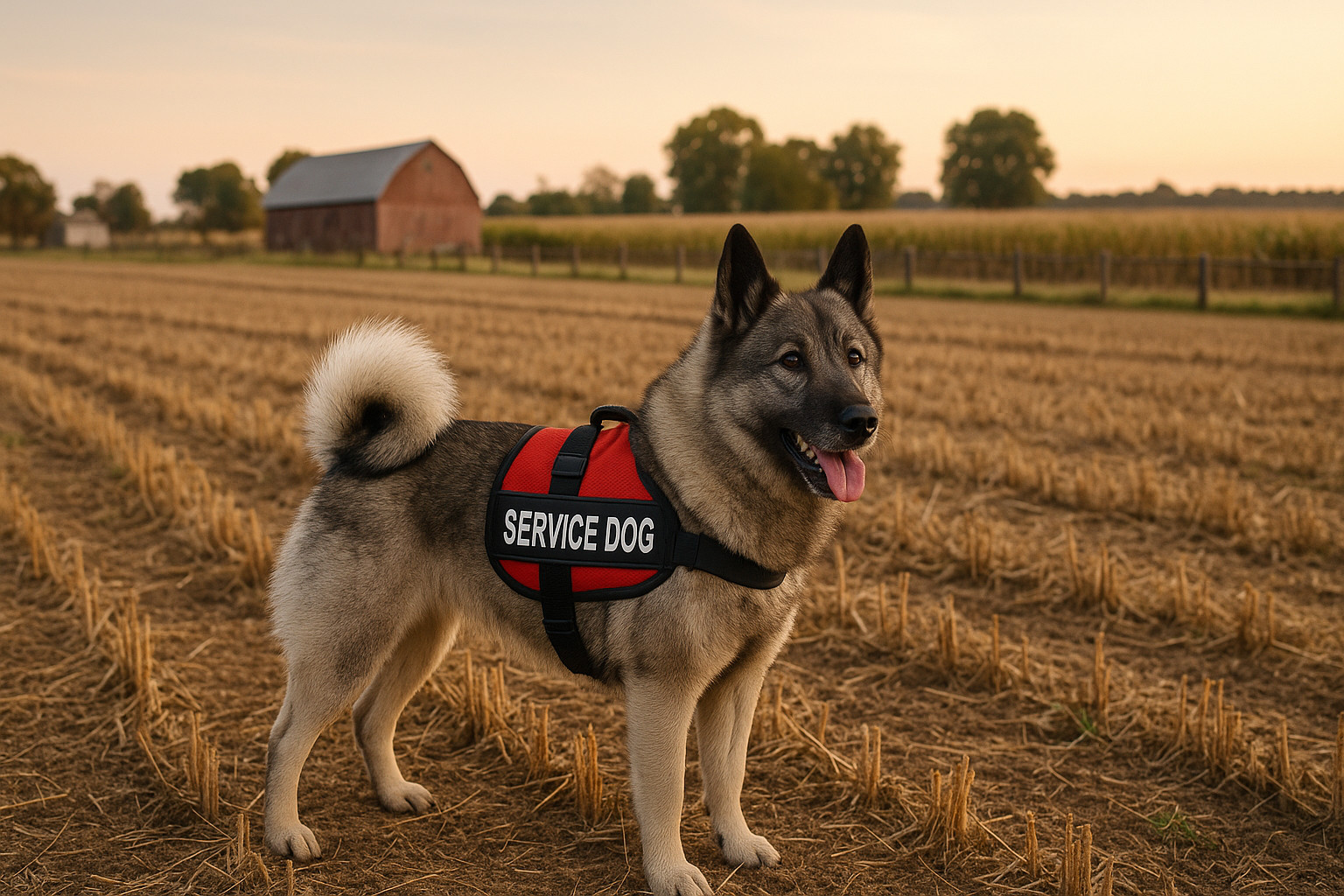
The Norwegian Elkhound is a robust and spirited breed known for its energetic and alert disposition. While not commonly seen in service roles compared to breeds like Labradors or Golden Retrievers, the Norwegian Elkhound possesses several characteristics that could make it an effective service dog under specific circumstances. This guide explores the potential of the Norwegian Elkhound as a service dog, focusing on its attributes, temperament, and suitability for different types of service work.
Norwegian Elkhound Overview
The Norwegian Elkhound, a national treasure of Norway, has a history as a hunting dog for large game such as elk and bear. This breed is admired for its strength, endurance, and courage, traits that also translate well into specific service dog roles.
Physical Characteristics
The Norwegian Elkhound is a sturdy and well-proportioned canine, known for:
- Medium Size: Standing between 19 to 21 inches at the shoulder and weighing approximately 48 to 55 pounds, they are compact yet muscular, enabling them to undertake physically demanding tasks.
- Dense Coat: Their double coat offers protection against harsh climates, resilient in rainy or snowy conditions. However, this means they are better suited for cooler climates when working.
- Agility and Endurance: Originating as a hunting breed, their natural agility and stamina make them suitable for roles requiring movement and endurance.
While their physical attributes can be advantageous, their thick coat requires regular grooming, and their need for exercise can demand significant time and energy from handlers.
Temperament and Attitude
Elkhounds are revered for their spirited demeanor and innate confidence. Key traits include:
- Alertness and Loyalty: Capable of maintaining focus on their handlers, they are naturally vigilant, making them good candidates for alert-based tasks.
- Intelligence and Independence: Though intelligent, they possess a strong will which can manifest as independence. This can pose both opportunities and challenges in obedience and task training.
- Social Interaction: While generally sociable, they are also known for being reserved with strangers. Proper socialization is crucial to ensure they remain composed in public settings.
Their temperament is characterized by a balance of independence and loyalty, requiring a delicate approach to training that channels their energy toward productive tasks.
Types of Service Work
Due to their unique characteristics, Norwegian Elkhounds may excel in specific service roles:
Register Any Breed
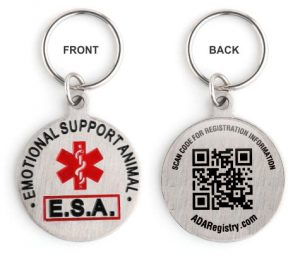
- Emotional Support Roles: Their loyal and affectionate nature can offer comfort and companionship, particularly in emotional support capacities.
- Alert Services: Given their acute senses and vigilance, they can be trained for roles requiring alert tasks, such as diabetes or seizure alerts, albeit with more individualized training.
- Search and Rescue: Their hunting heritage and endurance equip them for roles in wilderness search and rescue operations, where persistence and stamina are critical.
However, their independence might limit their suitability for roles requiring rigorous obedience, such as guide dogs for the visually impaired.
Health Considerations
Like all breeds, Elkhounds have specific health considerations that could affect their service work capabilities:
- Hip Dysplasia: A common issue in medium to large breeds, owners should be mindful of joint health as this can affect their mobility-related service tasks.
- Eye Conditions: Progressive retinal atrophy and other eye-related issues may arise, potentially impacting their ability to perform visual-dependent tasks.
- Weight Management: Susceptible to weight gain, a monitored diet is essential to maintain their active lifestyle.
Regular veterinary checks and a balanced diet are essential to ensure their long-term health and service potential.
Training and Suitability
Training a Norwegian Elkhound requires expertise and patience:
- Independent Thinkers: While intelligent, they are also known for an independent streak. Training should be consistent, using positive reinforcement to harness their abilities.
- Early and Ongoing Socialization: Essential for ensuring that they are comfortable in different environments and around various stimuli.
- Task-Specific Training: Their suitability as alert or support dogs requires task-specific training tailored to their strengths and behaviors.
Their ability to learn and perform is significant, but handlers must cater to their independence and provide structured routines.
Summary of Norwegian Elkhound
The Norwegian Elkhound is a breed with distinct characteristics that present both opportunities and challenges as a service dog. Below are key strengths, concerns, and ideal service roles for this breed:
- Strengths:
- High endurance and physical capability
- Intelligent and alert, suitable for specific alert tasks
- Loyal companion for emotional support roles
- Weaknesses:
- Independent nature requiring specialized training approaches
- Potential health issues like hip dysplasia and eye conditions
- Dense coat requiring regular grooming and maintenance
- Ideal Service Roles:
- Emotional support companion
- Alert service roles with individualized training
- Search and rescue operations
Overall, the Norwegian Elkhound can be an effective service dog when placed in roles that align with their natural instincts and capabilities. With proper training and consideration of their unique traits, they can provide invaluable assistance to those in need.


-
Public Access Kits
$149.00 Learn more This product has multiple variants. The options may be chosen on the product page -
Quick Ship Premium Vests
$48.00 – $82.00 Learn more This product has multiple variants. The options may be chosen on the product page -
Service Dog Bandana
$39.95 Learn more This product has multiple variants. The options may be chosen on the product page
Custom ID Cards

Custom ID Cards
Custom Service Dog Tags
Official Dog Vests
Smart Vests
Official Public Access Kits
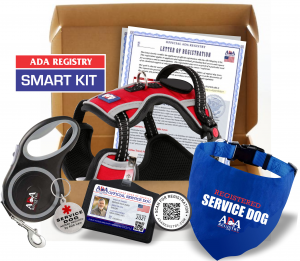
Complete Kits
USA & CANADA Letters
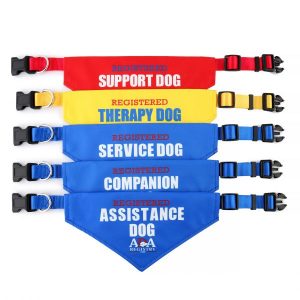
High Quality Bandanas
Service Dog Tags
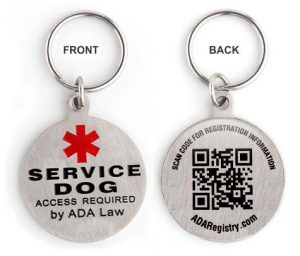
Smart Tags

ESA TAGS