Norwich Terrier as a Service Dog
Register Any Breed
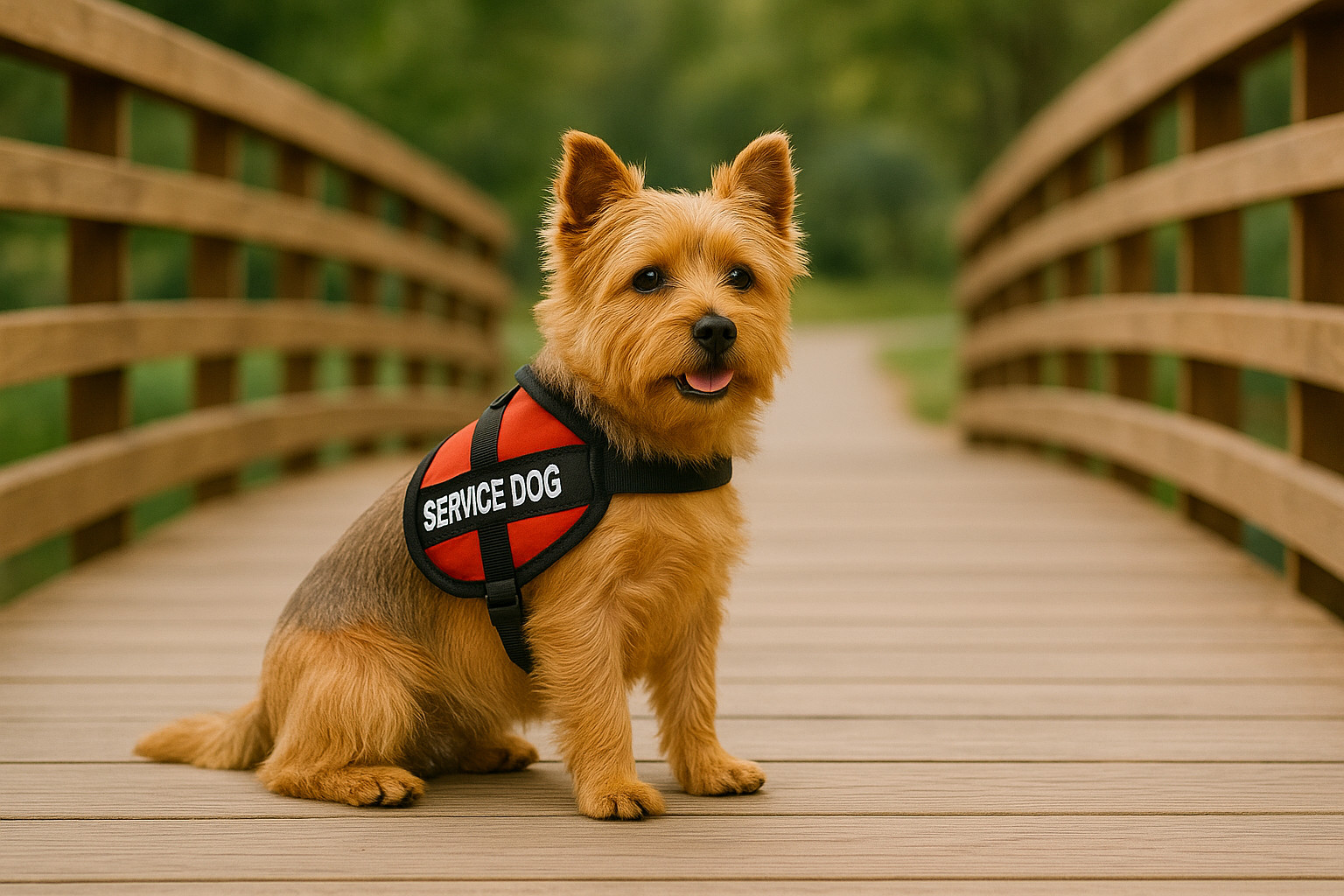
The Norwich Terrier, small but full of personality, might not be the first breed that comes to mind when considering service dogs. However, this diminutive dynamo possesses unique characteristics that could potentially serve specific service needs. This article aims to analyze the Norwich Terrier's suitability for service work through various detailed aspects.
Norwich Terrier Overview
The Norwich Terrier originated from England, primarily bred as a working terrier to control vermin. Known for their curious and adventurous spirit, these dogs embody a tireless energy packed into a compact form. With their loyalty and intelligence, Norwich Terriers have caught the attention of dog enthusiasts looking for companions beyond the typical larger service breeds.
Physical Characteristics
The Norwich Terrier may not have the imposing stature of a German Shepherd or the muscular build of a Labrador Retriever, but what they lack in size, they make up for in agility and charm.
- Size and Build: With an average height of 10 inches and weighing between 11-12 pounds, they are petite dogs. Their small stature makes them less suitable for mobility assistance tasks but ideal for tasks that require less physical force.
- Coat and Maintenance: They sport a weather-resistant double coat—wire-haired and relatively easy to maintain. This low-shedding coat might be an advantage for those with mild allergies, but regular grooming is necessary to keep it in good shape.
- Energy Levels: Their high energy means they need regular physical activity, which is crucial for potential service dogs required to be active and alert for several hours a day.
Temperament and Attitude
Norwich Terriers are known for their lively and spirited nature. Their personality traits play a crucial role in their potential as service dogs:
- Sociability: These dogs thrive on human interaction and can form strong bonds with their handlers. This makes them excellent companions for tasks involving emotional support or companionship.
- Confidence: Their curious and fearless disposition allows them to handle new environments and situations with relative ease, which is beneficial in public settings where service dogs often accompany their handlers.
- Independence: While generally intelligent and trainable, Norwich Terriers possess a streak of independence. This trait can be a double-edged sword, sometimes leading to distractions in service tasks but also allowing them to exhibit problem-solving skills.
- Alertness: They have a keen alertness, making them good candidates for specific alert-based service tasks like diabetic or seizure alerts, where they need to notice subtle changes in their handler.
Types of Service Work
While not traditionally seen as service dogs, Norwich Terriers can excel in specific support roles due to their size and nature:
- Emotional Support Animals (ESA): Their affectionate nature and size make them ideal for emotional support, offering comfort and companionship without overwhelming their owner physically.
- Medical Alert Dogs: Their heightened sense of awareness can be trained to respond and alert individuals to changes in blood sugar levels or onset of seizures, despite their petite size.
- Therapy Dogs: Norwich Terriers' friendly demeanor and manageable size suit settings like hospitals or schools, where they can offer emotional upliftment.
- Psychiatric Service Dogs: For those suffering from PTSD, depression, or anxiety, the Norwich Terrier's companionship and quick responses to signs of distress can provide necessary support.
Health Considerations
Norwich Terriers, like all breeds, have specific health issues that can impact their suitability for service work:
- Common Health Issues: They are prone to respiratory problems due to their short snouts, as well as joint issues such as hip dysplasia, which may limit their abilities in certain physical tasks.
- Life Expectancy: With a life expectancy of 12-15 years, they provide relatively long companionship, although potential medical issues can arise as they age.
- Regular Health Checks: Maintaining their fitness through regular vet visits and monitoring for early signs of any genetic disorders is essential to ensure they can perform their duties effectively over the long term.
Training and Suitability
Training a Norwich Terrier for service work requires understanding their unique traits and tapping into their natural instincts:
Register Any Breed
- Trainability: While intelligent, their independent nature can sometimes make training challenging. Consistent, positive reinforcement and early socialization are key to curbing any stubborn tendencies.
- Specialized Training Sessions: Because of their smaller size, tailored training programs that cater to less physically demanding tasks, such as alert work or emotional support, are recommended.
- Adaptability to Roles: They are best suited to roles that capitalize on their intelligence and agility rather than physical strength or endurance.
Summary of Norwich Terrier
In summary, the Norwich Terrier is a bright, spirited, and loving breed with the potential to excel in certain service dog roles. While their small size and occasional stubbornness may pose challenges for traditional service dog tasks, their alertness and sociable nature make them well-suited for specific tasks such as emotional support, therapy work, or medical alerts.
Norwich Terrier's Service Dog Suitability:
- Strengths:
- High intelligence
- Excellent companionship qualities
- Alertness for medical alerts or emotional support
- Weaknesses:
- Limited physical strength
- Prone to health issues affecting work capability
- Sometimes stubborn during training
- Ideal Service Roles:
- Emotional Support Animal
- Medical Alert Service Dog
- Therapy Dog
In conclusion, the Norwich Terrier's suitability as a service dog is largely dictated by their specific traits and the roles they are meant to fulfill. Understanding and appreciating their unique qualities can make them invaluable companions in the right contexts.


-
Public Access Kits
$149.00 Learn more This product has multiple variants. The options may be chosen on the product page -
Quick Ship Premium Vests
$48.00 – $82.00 Learn more This product has multiple variants. The options may be chosen on the product page -
Service Dog Bandana
$39.95 Learn more This product has multiple variants. The options may be chosen on the product page
Custom ID Cards

Custom ID Cards
Custom Service Dog Tags
Official Dog Vests
Smart Vests
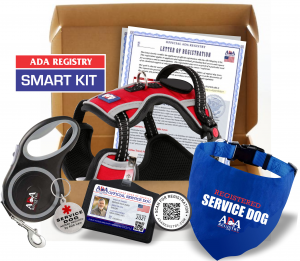
Official Public Access Kits
Complete Kits
USA & CANADA Letters
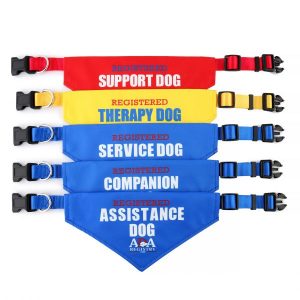
High Quality Bandanas
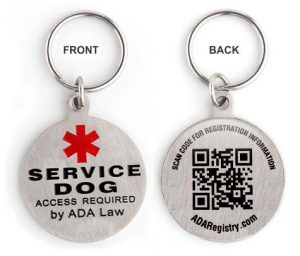
Service Dog Tags
Smart Tags
ESA TAGS