Nova Scotia Duck Tolling Retriever as a Service Dog
Register Any Breed
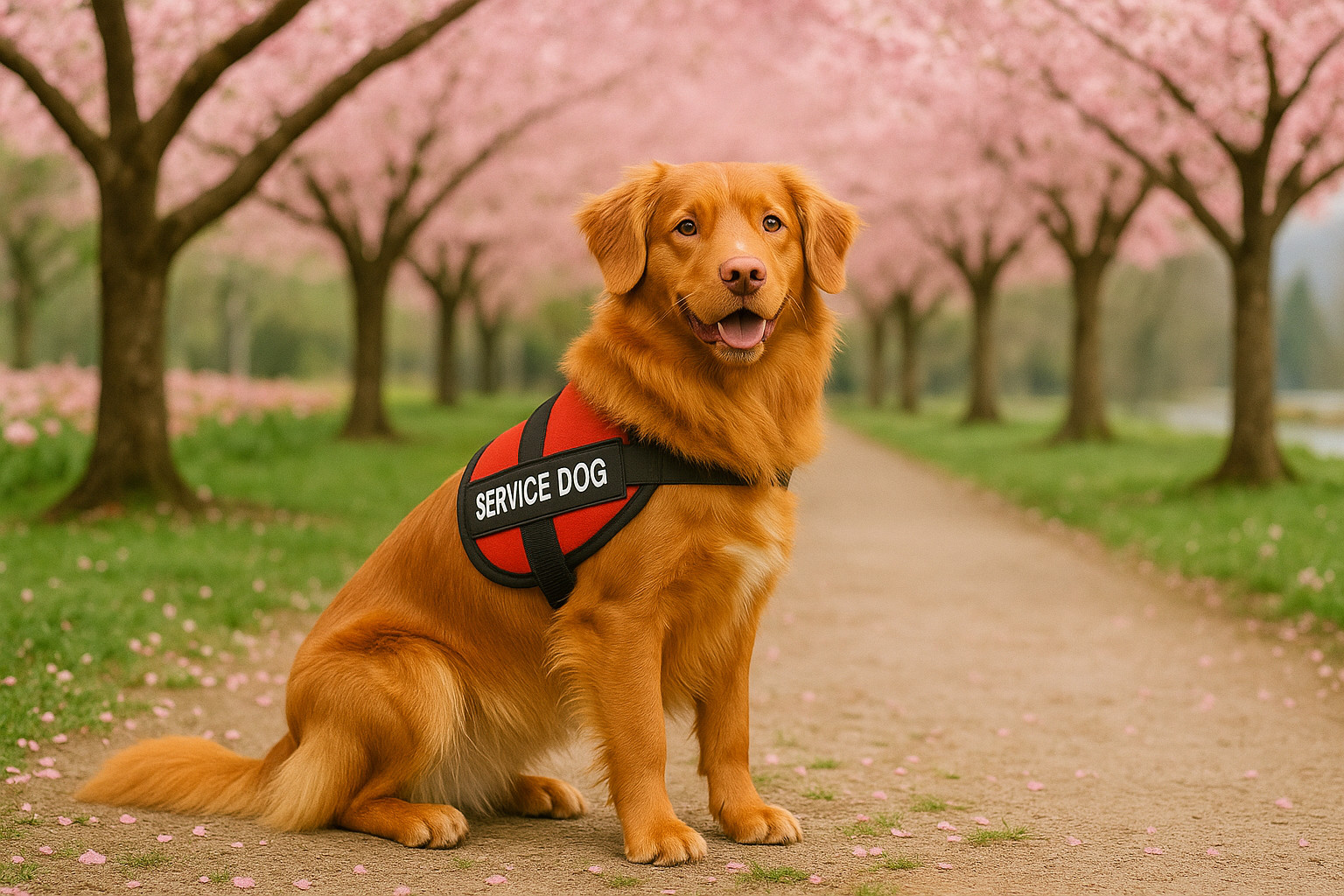
The Nova Scotia Duck Tolling Retriever, often simply referred to as the “Toller,” is a versatile and intelligent breed known for its high energy and exceptional working abilities. Originally bred for hunting purposes, these dogs have recently gained attention for their potential as service animals. This article explores their physical characteristics, temperament, types of service work they are best suited for, health considerations, and overall suitability as service dogs.
Nova Scotia Duck Tolling Retriever Overview
The Nova Scotia Duck Tolling Retriever is the smallest of the retriever breeds, yet it harbors boundless energy and intelligence. This combination makes the Toller a compelling choice for a service dog, especially in roles requiring agility and quick thinking.
Physical Characteristics
Tollers are medium-sized dogs, typically weighing between 35 to 50 pounds and standing about 17 to 21 inches at the shoulder. Their compact size can be advantageous in various service dog roles as it allows them to be both agile and easy to manage in public spaces.
- Coat: They possess a dense, water-repellent double coat, ideal for harsh weather conditions.
- Color: Their coat color ranges from golden red to deep copper, often with white markings on the face, chest, feet, and tail tip.
- Eyes and Ears: Tollers have almond-shaped eyes and high-set ears, contributing to their alert and intelligent appearance.
These physical attributes, particularly their manageable size and agility, make them suitable for tasks requiring quick movements and adaptability in different environments.
Temperament and Attitude
The Nova Scotia Duck Tolling Retriever is known for its friendly and affectionate nature. This breed is eager to please, making them highly trainable. However, a few temperament traits are particularly noteworthy when considering their suitability for service work:
- Intelligence: Tollers are highly intelligent and quick learners, which is beneficial for training complex service tasks.
- Energy Level: They have a high energy level and require ample exercise, which can be an asset in service roles that involve active tasks, but may be a challenge for handlers unable to meet their exercise needs.
- Social Nature: Tollers are sociable and enjoy being around people, which enhances their ability to work with individuals requiring emotional support or psychiatric service dogs.
- Sensitivity: This breed can be sensitive to harsh training methods, and positive reinforcement is recommended to yield the best results.
Despite their many positive traits, their high energy and drive for engagement mean they may not be suited for handlers preferring a more laid-back companion.
Types of Service Work
The adaptability and intelligence of the Nova Scotia Duck Tolling Retriever enable them to perform a range of service roles. They are particularly adept in:
Register Any Breed
- Mobility Assistance: Due to their size and ability to learn intricate tasks, Tollers can assist with retrieving items, opening doors, and other physical aid tasks.
- Medical Alert: Their keen senses can be trained to detect changes in a person’s body chemistry, making them valuable for alerting to medical situations like low blood sugar or impending seizures.
- Psychiatric Service Tasks: Thanks to their friendly and adaptable nature, Tollers can provide support to individuals with mental health conditions by interrupting unwanted behaviors or providing calming pressure during anxiety attacks.
- Emotional Support: Their sociable and affectionate disposition also makes them excellent emotional support animals, providing comfort and companionship.
Their flexibility and intelligence make them capable of mastering diverse service tasks, though they may require an active owner to manage their exercise needs effectively.
Health Considerations
Like any breed, the Nova Scotia Duck Tolling Retriever has health considerations that could impact their service dog potential:
- Hip Dysplasia: A common condition in medium to large breeds which can affect their mobility assistance capabilities.
- Progressive Retinal Atrophy (PRA): This genetic condition leads to a gradual loss of vision, which can affect their reliability in certain service tasks over time.
- Collie Eye Anomaly (CEA): A genetic disease affecting the eye, which requires consideration for their role in tasks requiring precise vision.
Regular health checks and responsible breeding practices can help mitigate these risks, ensuring the health and longevity of the dog.
Training and Suitability
Tollers are highly trainable due to their intelligence and eagerness to please. Training them requires consistent positive reinforcement and substantial mental and physical stimulation:
- Trainability: They respond well to obedience and task-specific training. However, their sensitive nature may not do well with negative reinforcement or harsh training methods.
- Independence: Although intelligent, Tollers can occasionally exhibit independence, necessitating a consistent training approach to ensure they don’t develop undesirable habits.
- Commitment: Owners need to commit to regular exercise and mental challenges to keep this breed happy and healthy.
For individuals willing to dedicate the time and energy, Tollers can be rewarding service dogs capable of performing a variety of tasks.
Summary of Nova Scotia Duck Tolling Retriever
In conclusion, the Nova Scotia Duck Tolling Retriever is a promising candidate for a service dog role, specifically in active environments where their energy and eagerness to work are beneficial. The following highlights their key strengths, weaknesses, and ideal service roles:
- Strengths:
- High intelligence and trainability
- Affectionate and friendly demeanor
- Agile and manageable size for diverse tasks
- Weaknesses:
- High energy needs may not suit all handlers
- Sensitivity to harsh training techniques
- Prone to certain genetic health conditions
- Ideal Service Roles:
- Mobility Assistance
- Medical Alert
- Psychiatric Service
- Emotional Support
Overall, those considering a Toller as a service dog should ideally be active and committed to fulfilling both the training and physical activity requirements necessary to keep this breed content and effective in their roles.


-
Public Access Kits
$149.00 Learn more This product has multiple variants. The options may be chosen on the product page -
Quick Ship Premium Vests
$48.00 – $82.00 Learn more This product has multiple variants. The options may be chosen on the product page -
Service Dog Bandana
$39.95 Learn more This product has multiple variants. The options may be chosen on the product page
Custom ID Cards

Custom ID Cards
Custom Service Dog Tags
Official Dog Vests
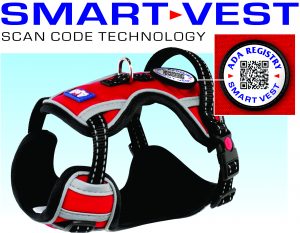
Smart Vests
Official Public Access Kits
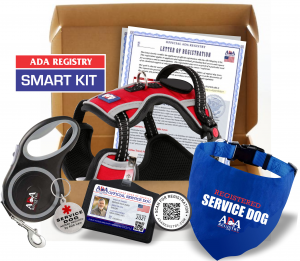
Complete Kits
USA & CANADA Letters
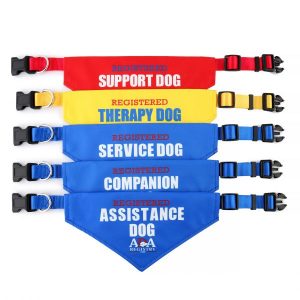
High Quality Bandanas
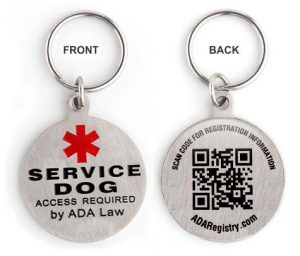
Service Dog Tags
Smart Tags
ESA TAGS