Otterhound as a Service Dog
Register Any Breed
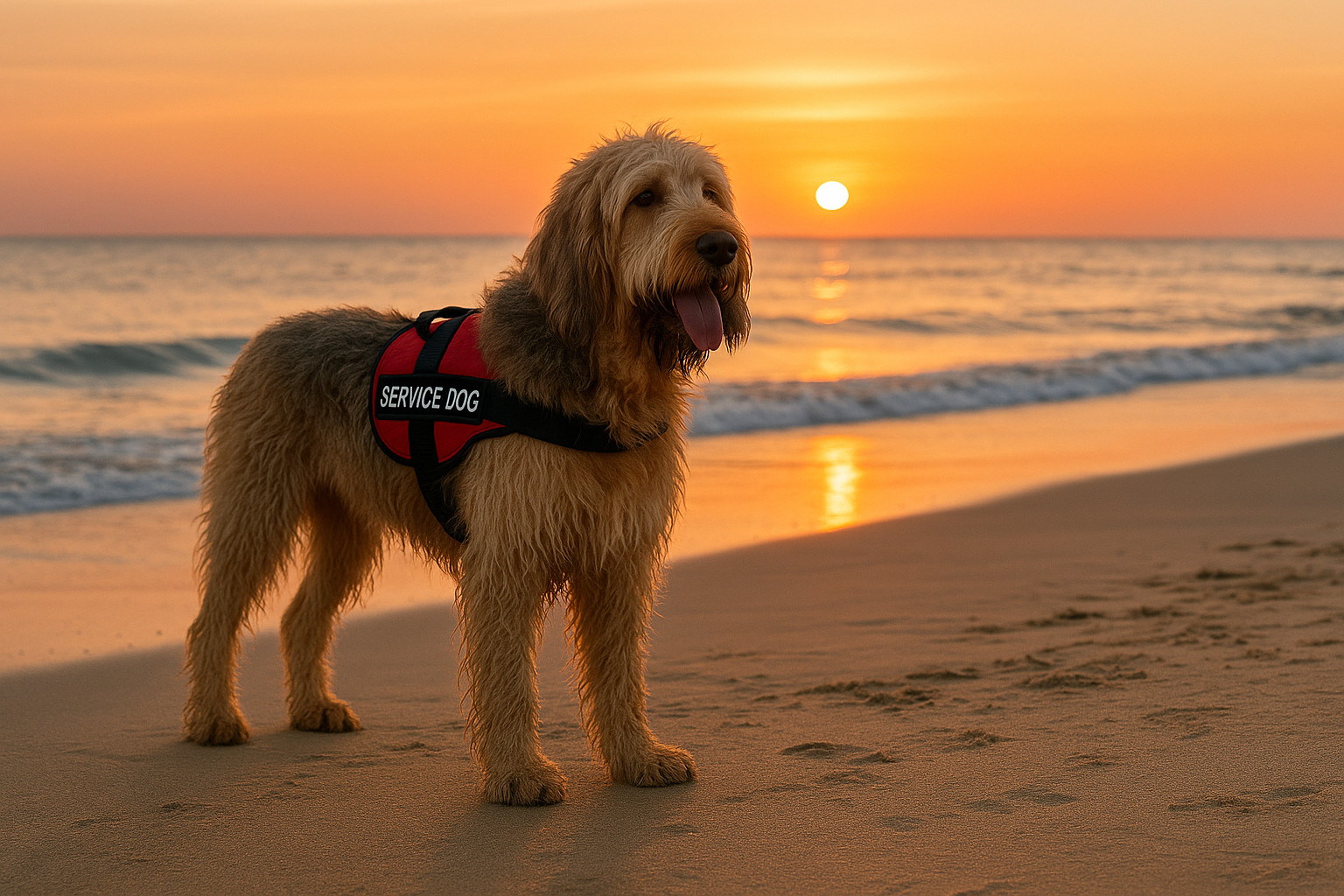
The Otterhound, known for its unique appearance and outstanding olfactory abilities, is a large, rare breed with a lineage tracing back over centuries. While primarily bred for hunting, especially in water, one might ponder its potential as a service dog. This article delves into the various aspects that make the Otterhound a candidate for service work by examining its physical characteristics, temperament, and the types of service roles it could potentially excel in. We'll also explore current health considerations, training dynamics, and a summary evaluation of its suitability in the field of service work.
Otterhound Overview
The Otterhound is both an endearing and powerful hound with a distinctive appearance and a rich history. Originating from England, this breed was initially developed to hunt otters, which had become pests threatening the fishing industry. Today, the Otterhound is a rare breed, but its potential as a service dog is worth examining given its impressive capabilities.
Physical Characteristics
The Otterhound is easily recognizable due to its rough, shaggy coat and large, webbed feet, making it an excellent swimmer and a unique working dog.
- Size and Build: Otterhounds are large, strong dogs, typically weighing between 80 to 115 pounds and standing 24 to 27 inches at the shoulder. Their robust build and endurance make them suitable for tasks that require stamina and strength.
- Coat: The double coat is rough and somewhat oily, specifically designed for aquatic environments, keeping them insulated and buoyant in water-based tasks. However, regular grooming is essential to maintain their coat and avoid matting.
- Sensory Abilities: The Otterhound boasts exceptionally strong scent-trailing abilities, thanks to its distinct large nose, which can be particularly useful in tasks requiring tracking and detection.
The physical attributes of the Otterhound suggest its potential in scenarios requiring physical strength and endurance, backed by a keen sense of smell.
Temperament and Attitude
The temperament of the Otterhound is generally laid-back, affectionate, and friendly, characteristics that are valuable in a service dog.
- Disposition: Known for their gentle and amiable nature, Otterhounds form strong bonds with humans, which can be conducive to service roles requiring rapport and emotional connection.
- Relational Skills: Despite their large size, Otterhounds are often good with children and other animals due to their non-aggressive disposition. This adaptability can be beneficial in therapies or environments where interaction with multiple entities is required.
- Public Behavior: Otterhounds tend to stay calm in public and stressful environments. However, being scent-driven, they can get easily distracted if not adequately trained, especially when enticing odors are present.
The nature of the Otterhound makes them an interesting candidate for certain types of service work, provided that their reliance on scent can be managed effectively in a working environment.
Types of Service Work
While not a conventional choice for service dogs, the Otterhound possesses qualities that can be beneficial in certain service or support roles.
Register Any Breed
- Mobility Assistance: Their strength and size can be advantageous for individuals needing physical support, such as helping with balance or retrieving objects.
- Search and Rescue: With their exceptional scent-trailing capabilities, they can be effective in search and rescue operations, particularly in water environments.
- Therapeutic Support: Due to their calm and affectionate nature, Otterhounds may also thrive in roles as therapy dogs, providing emotional support in clinical or residential settings.
Though not suited for all service dog roles, the Otterhound’s physical attributes and nature can be harnessed for specific tasks that play to its strengths.
Health Considerations
A significant factor in determining the suitability of any service dog is its health profile, and the Otterhound is no exception.
- Common Health Issues: Otterhounds are prone to specific health concerns, including hip dysplasia, elbow dysplasia, gastric torsion (bloat), and certain genetic conditions such as epilepsy. These health issues can affect a dog’s longevity and reliability in service roles.
- Longevity and Care: Typically, Otterhounds have a lifespan of 10 to 12 years, which is relatively standard for large breeds but poses a consideration in training investments given their potential health issues.
- Preventive Measures: Regular vet check-ups, a balanced diet, and an appropriate exercise regime can help mitigate some health risks and maintain the dog's fitness for service tasks.
Understanding and managing their specific health needs is crucial in ensuring the Otterhound's effectiveness and longevity as a service dog.
Training and Suitability
The training journey of an Otterhound for service work can be both challenging and rewarding, dictated largely by their inherent traits.
- Intelligence and Trainability: Otterhounds are intelligent but possess an independent streak, characteristic of many scent hounds, which can make training challenging. They require consistent, positive reinforcement techniques to instill reliability.
- Socialization: Early socialization is essential to ensure they are well-adjusted to various environments and individuals, a critical requirement for service dogs.
- Scent Management: Training must address their strong scent drive, redirecting this instinct effectively or curbing it to prevent distractions during service tasks.
With the right training approach, focusing on motivation and consistency, an Otterhound's innate skills can be harnessed effectively for service work.
Summary of Otterhound
In conclusion, the Otterhound’s potential as a service dog is nuanced, balancing both strengths and limitations.
- Strengths:
- Strong physical build suitable for mobility assistance.
- Excellent scent-tracking abilities for search and rescue roles.
- Gentle and friendly disposition, favorable for therapeutic support roles.
- Weaknesses:
- Prone to specific health issues impacting long-term service capability.
- Independent nature can complicate the training process.
- Can be easily distracted by scents, requiring careful management and training.
- Ideal Service Roles:
- Mobility assistance for those requiring physical support.
- Search and rescue in water environments.
- Therapy and emotional support in a controlled environment.
Ultimately, while the Otterhound is not among the most traditional service dog breeds, its unique attributes can serve specialized service roles with a strategic approach to training and health management.


-
Public Access Kits
$149.00 Learn more This product has multiple variants. The options may be chosen on the product page -
Quick Ship Premium Vests
$48.00 – $82.00 Learn more This product has multiple variants. The options may be chosen on the product page -
Service Dog Bandana
$39.95 Learn more This product has multiple variants. The options may be chosen on the product page
Custom ID Cards

Custom ID Cards
Custom Service Dog Tags
Official Dog Vests
Smart Vests
Official Public Access Kits
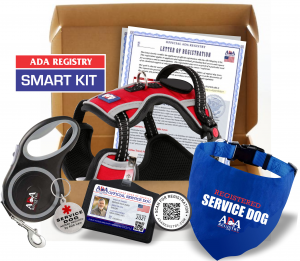
Complete Kits
USA & CANADA Letters
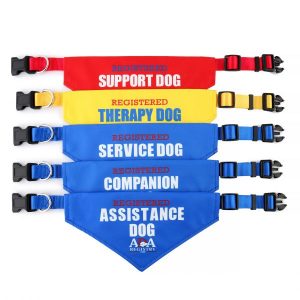
High Quality Bandanas
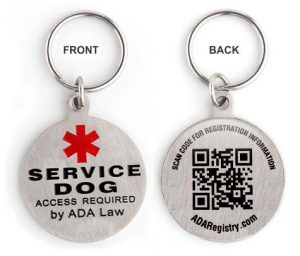
Service Dog Tags
Smart Tags

ESA TAGS