
Pointer as a Service Dog
Register Any Breed
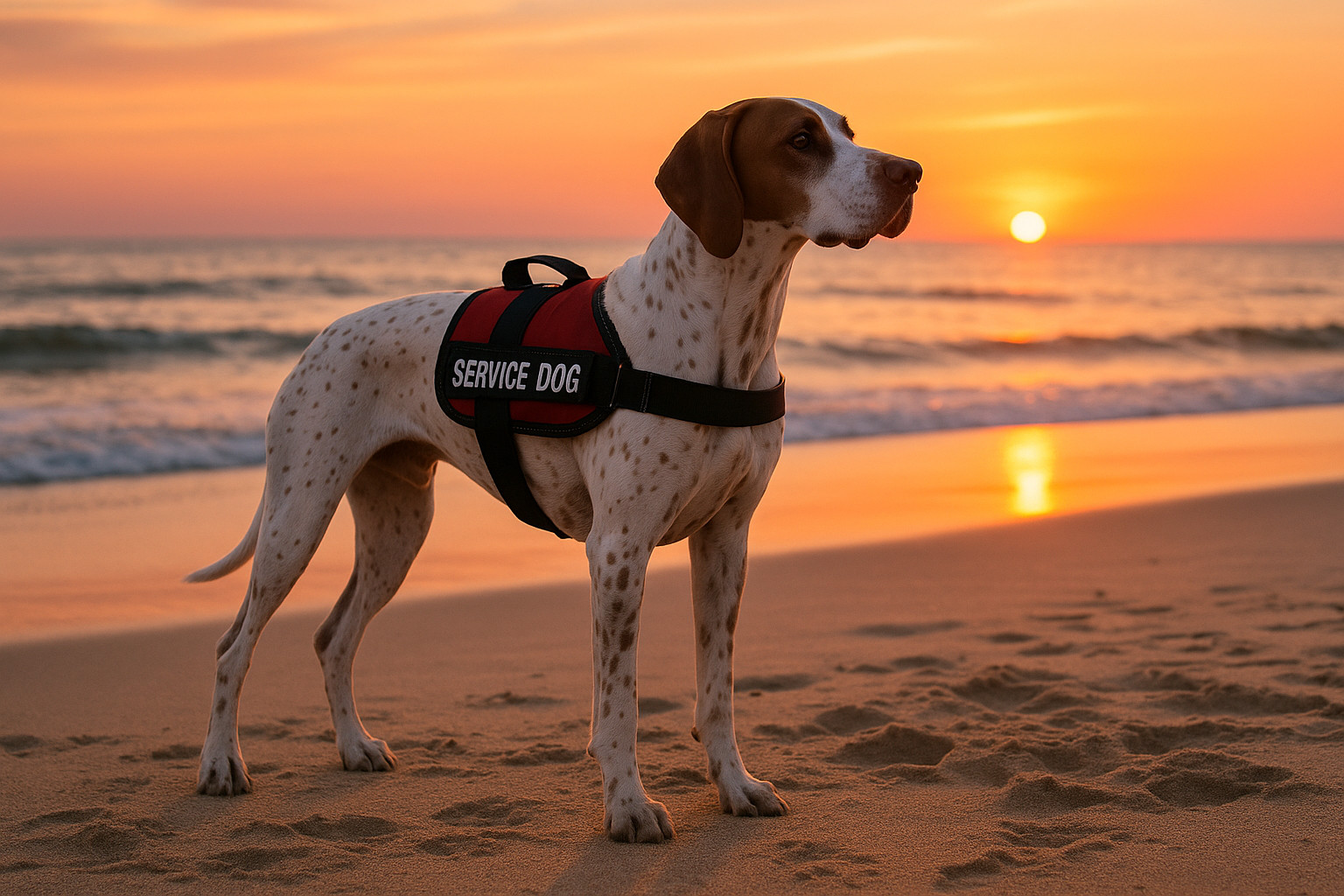
Pointers, renowned for their hunting prowess and unparalleled agility, may not be the first breed that comes to mind when considering service dogs. However, with the right training, this intelligent and energetic breed can excel in certain service dog roles. This article explores the suitability of Pointers as service dogs, covering their physical characteristics, temperament, potential service roles, health considerations, and training requirements.
Pointer Overview
Pointers, as the name suggests, are primarily known for their ability to point game birds for hunters. This breed is famous for its keen sense of smell, impressive endurance, and speed. Originating from English and European hunting dogs, Pointers have been refined over centuries to become one of the most effective breeds in the hunting spectrum.
Physical Characteristics
Pointers are medium to large-sized dogs with a lean and muscular build, designed for agility and endurance rather than brute strength. This physicality serves them well in various service roles, especially those requiring speed and stamina.
- Size and Weight: Male Pointers typically weigh between 55 to 75 pounds and stand 25 to 28 inches tall at the shoulder. Females are slightly smaller, weighing 45 to 65 pounds.
- Coat and Color: Pointers have a short, dense coat that is smooth and easy to maintain, which is beneficial for service dogs needing frequent grooming. Their coat comes in various colors, including liver, lemon, black, and orange, usually with a white background.
- Energy Level: Known for their high energy, Pointers require significant physical activity, making them suitable for active handlers who can incorporate exercise into their daily routines.
Temperament and Attitude
Pointers possess a keen intelligence, friendly disposition, and an eager-to-please attitude, all traits favorable for service work. However, their strong hunting instincts can be a double-edged sword for specific service roles.
- Intelligence and Trainability: Pointers are highly intelligent, which aids in their trainability. They can quickly learn tasks and commands, making them capable of complex service tasks.
- Temperament: They are generally friendly and sociable, usually getting along well with humans and other animals. This social nature can be advantageous in public settings, where service dogs often work.
- Behavior in Stressful Environments: While Pointers are relatively resilient, their strong prey drive could potentially cause distractions in a service setting. Proper and consistent training is essential to mitigate these instincts.
Types of Service Work
While Pointers may not be suited for all types of service work due to their natural inclinations, they excel in roles requiring stamina and speed. Below are some suitable service tasks for this breed:
- Mobility Assistance: Their physical strength and size make them capable of providing balance support for individuals requiring assistance with walking or standing.
- Alert Dogs: With their acute sense of smell, Pointers can be trained as alert dogs for conditions such as diabetes, where they can detect changes in blood sugar levels.
- Search and Rescue: Their hunting heritage makes Pointers well-suited for search and rescue operations. Their endurance and tracking abilities can be invaluable in locating missing persons.
Health Considerations
Like all breeds, Pointers have specific health issues that may affect their ability to serve as a service dog.
- Hip Dysplasia: A common condition in larger breeds, hip dysplasia can impact a Pointer’s mobility. Ensuring that breeding lines are screened for this condition can reduce its occurrence.
- Skin Allergies: Some Pointers may develop skin allergies or sensitivities, necessitating regular checks and veterinary consultations to maintain their comfort and performance.
- Ear Infections: Their floppy ears can be prone to infections, so regular cleaning is vital to prevent issues that might hinder their duties.
Training and Suitability
Training a Pointer as a service dog requires a combination of patience, consistency, and an understanding of the breed's unique traits. Their intelligence and alertness can be harnessed effectively with the right approach.
Register Any Breed
- Basic Commands and Obedience: From an early age, Pointers should be introduced to basic obedience training. Their eagerness to learn can be leveraged through positive reinforcement techniques.
- Advanced Service Training: Specialized training for alerts, mobility assistance, or other tasks should be structured and repetitive. Enrolling in a professional training program can provide additional benefits.
- Distraction Training: Given their natural instincts, distraction training is crucial. Pointers must learn to remain focused on their tasks, even when potential prey or novel scents are present.
Summary of Pointer
Pointers bring a unique set of characteristics to the table as service dogs. While their natural instincts may pose challenges for some service roles, they can excel in others, particularly those leveraging their agility and olfactory senses. When considering a Pointer as a service dog, it’s important to balance their physical and mental attributes with their training and handler needs. Below is a summary of their key strengths and ideal roles:
- High energy and stamina beneficial for active service roles
- Intelligent and trainable, suitable for complex tasks
- Friendly disposition aids in public interactions
- Potentially suitable for mobility assistance and alert tasks
- May require more distraction training due to strong prey drive
- Health considerations like hip dysplasia must be monitored
- Best suited for handlers who can provide ample physical and mental stimulation


-
Public Access Kits
$149.00 Learn more This product has multiple variants. The options may be chosen on the product page -
Quick Ship Premium Vests
$48.00 – $82.00 Learn more This product has multiple variants. The options may be chosen on the product page -
Service Dog Bandana
$39.95 Learn more This product has multiple variants. The options may be chosen on the product page
Custom ID Cards

Custom ID Cards
Custom Service Dog Tags

Official Dog Vests

Smart Vests
Official Public Access Kits

Complete Kits
USA & CANADA Letters

High Quality Bandanas

Service Dog Tags

Smart Tags

ESA TAGS
