
Polish Lowland Sheepdog as a Service Dog
Register Any Breed
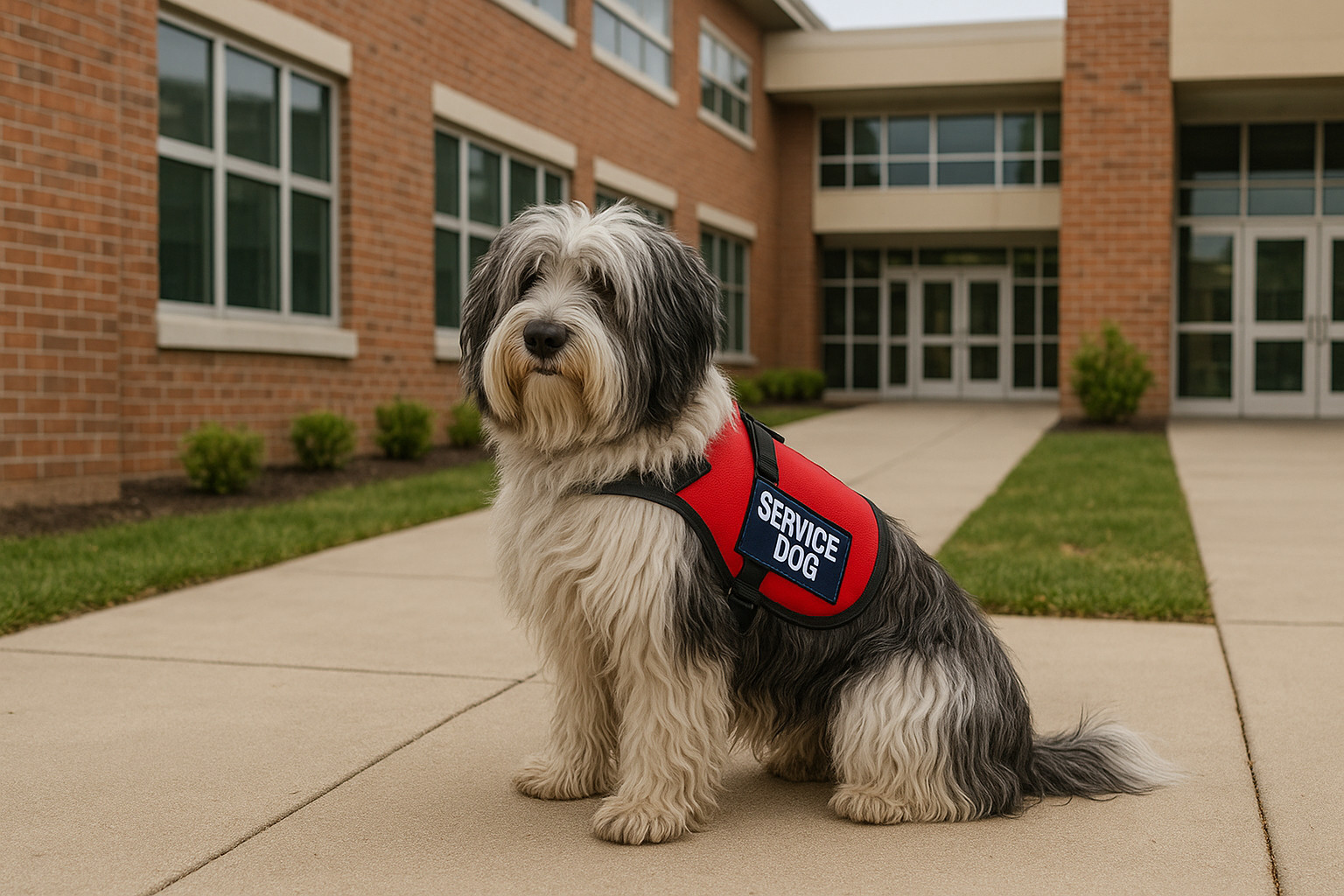
The Polish Lowland Sheepdog, also known as the Polski Owczarek Nizinny or PON, is a medium-sized, robust dog breed known for its intelligence, adaptability, and natural herding instincts. While traditionally bred for herding and guarding sheep, this breed can excel in various service dog roles, given the proper training and environmental conditions.
Polish Lowland Sheepdog Overview
The Polish Lowland Sheepdog is an ancient breed with roots tracing back to the lowlands of Poland. Its distinctive shaggy coat and intelligent eyes are not just for show; these characteristics have practical purposes suited for work. Known for their independent and lively nature, Polish Lowland Sheepdogs have a blend of traits that make them potential candidates for service dog roles, albeit with some considerations.
Physical Characteristics
Polish Lowland Sheepdogs are medium-sized dogs, with males typically standing between 18 to 20 inches tall and females slightly shorter. They generally weigh between 30 to 50 pounds. Their robust build supports their active lifestyle, making them well-suited for tasks requiring mobility and endurance. Key physical characteristics include:
- Coat: They have a long, thick, and shaggy double coat that provides excellent weather resistance, which is beneficial for outdoor activities but requires regular grooming.
- Agility: They exhibit natural agility and are capable of swift movements, essential for active service roles.
- Stamina: Their history as herding dogs equips them with remarkable stamina, enabling them to sustain prolonged physical and mental activity.
The breed's physical attributes can prove advantageous in service work but require an owner who can manage their grooming needs and ensure regular physical exercise.
Temperament and Attitude
Polish Lowland Sheepdogs are known for their keen intelligence, making them highly trainable in various tasks. Their temperament can significantly influence their effectiveness as a service dog:
- Intelligence: High intelligence allows them to learn complex tasks and commands, which is critical for specialized service work.
- Independence: While capable of independent decision-making, which is beneficial in certain service roles, this trait may require a more experienced handler for initial training phases.
- Protective Nature: Their protective instincts are ideal for roles requiring alertness to their handler’s safety, although it might result in increased reactivity in unfamiliar environments.
- Socialization: Proper socialization from an early age helps curb any tendency towards wariness in public or crowded spaces.
Polish Lowland Sheepdogs thrive under firm but gentle leadership and need extensive socialization to nurture a harmonious temperament fit for service duties.
Types of Service Work
While the Polish Lowland Sheepdog's traditional role involved shepherding, their capabilities extend to several types of modern service work:
Register Any Breed
- Mobility Assistance: Their strength and agility make them suitable for assisting individuals with mobility challenges, such as opening doors or fetching objects.
- Medical Alert: With proper training, their keen sense of smell and awareness can be harnessed for detecting changes in a person’s physical state, useful for diabetic alert or seizure alert roles.
- Psychiatric Support: Their gentle and comforting presence can be beneficial for individuals with PTSD or anxiety, providing grounding techniques and emotional support.
- Emotional Support: Although not a task-specific role, their affectionate nature and loyalty make them exceptional companions for those in need of emotional support.
Despite their potential, not all Polish Lowland Sheepdogs may thrive in service roles demanding high levels of social engagement due to their independent streak.
Health Considerations
Like any breed, Polish Lowland Sheepdogs have specific health considerations that may impact their service dog capabilities:
- Hip Dysplasia: A common genetic condition in many medium to large breeds, managing weight and regular vet check-ups are crucial.
- Progressive Retinal Atrophy (PRA): Regular eye exams are important to detect early signs of vision impairment.
- Coat Maintenance: Their thick coat demands consistent grooming to prevent matting and skin infections, avoiding discomfort that could detract from their service work efficiency.
Ensuring a robust health care regimen is essential for maintaining a Polish Lowland Sheepdog's ability to perform service duties effectively.
Training and Suitability
Training a Polish Lowland Sheepdog to serve requires consistency, patience, and understanding of the breed’s unique personality:
- Trainability: While highly trainable due to their intelligence, these dogs may initially test boundaries, necessitating a trainer experienced in positive reinforcement techniques.
- Socialization Needs: Early exposure to diverse environments and situations is crucial to manage their natural suspicion of strangers.
- Independence: Their independent nature requires that training incorporate tasks that capitalize on this trait, rather than stifle it.
For owners who can commit to rigorous training and socialization efforts, Polish Lowland Sheepdogs can become adept service dogs across various fields.
Summary of Polish Lowland Sheepdog
In conclusion, the Polish Lowland Sheepdog can be a proficient service dog when their unique characteristics are appropriately managed.
- Strengths:
- High intelligence suitable for complex tasks.
- Physical stamina for active roles.
- Protective nature good for safety and alert tasks.
- Weaknesses:
- Requires intensive socialization.
- Grooming needs may be demanding.
- Independent nature might challenge novice dog owners.
- Ideal Service Roles:
- Mobility assistance.
- Medical alert services.
- Psychiatric and emotional support roles.
The Polish Lowland Sheepdog is not universally suited for all service roles but, given the right conditions and preparation, can excel in tasks that leverage their natural strengths.


-
Public Access Kits
$149.00 Learn more This product has multiple variants. The options may be chosen on the product page -
Quick Ship Premium Vests
$48.00 – $82.00 Learn more This product has multiple variants. The options may be chosen on the product page -
Service Dog Bandana
$39.95 Learn more This product has multiple variants. The options may be chosen on the product page
Custom ID Cards

Custom ID Cards
Custom Service Dog Tags

Official Dog Vests

Smart Vests
Official Public Access Kits

Complete Kits
USA & CANADA Letters

High Quality Bandanas

Service Dog Tags

Smart Tags

ESA TAGS
