Poodle as a Service Dog
Register Any Breed
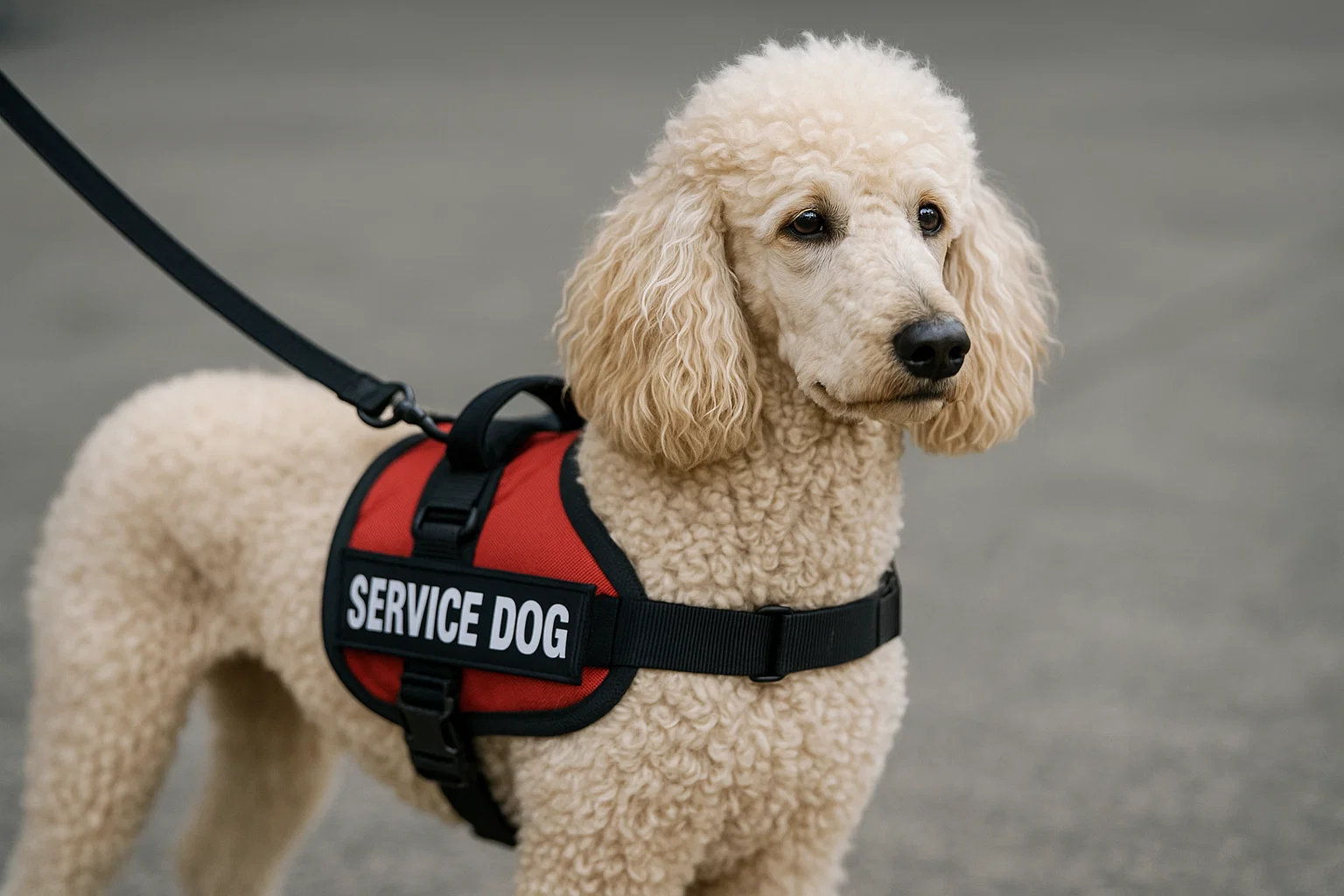
The Poodle, an elegant and intelligent breed, is often seen donned in elaborate coat patterns in dog shows. However, their capabilities extend far beyond the show ring. Known for their versatility and intelligence, Poodles have been recognized as exceptional service dogs for various types of service work. This guide explores the physical and behavioral characteristics of Poodles, examines their suitability and health considerations as service dogs, and highlights the types of service roles they excel in.
Poodle Overview
The Poodle is highly regarded for its intelligence, adaptability, and friendly demeanor, making it a popular choice for service work. As a longstanding breed, it has been selectively bred for centuries, creating a dog that is both agile and capable. Its keen sense of awareness in both public and private settings highlights its potential to be a reliable service companion.
Physical Characteristics
Poodles come in three size varieties: Standard, Miniature, and Toy. This size variability gives potential handlers flexibility depending on their specific needs.
- Standard Poodle:
- Height: 15 inches and above
- Weight: 40 to 70 pounds
- Miniature Poodle:
- Height: Between 10 and 15 inches
- Weight: 10 to 15 pounds
- Toy Poodle:
- Height: Up to 10 inches
- Weight: 4 to 6 pounds
The Poodle's distinctive, curly coat is low-shedding and hypoallergenic, making it an excellent choice for individuals with allergies. The coat requires regular grooming, which can be an opportunity for bonding between the handler and dog, but it also requires a commitment to consistent maintenance. The breed’s physical agility and graceful movement allow them to handle various physical tasks and navigate different environments with ease.
Temperament and Attitude
Poodles are known for their high intelligence, ranking among the top breeds for problem-solving and trainability. Their acute sensitivity and attentiveness to human emotions make them particularly suitable for service roles that require empathy, such as psychiatric service dogs.
In public or stressful environments, Poodles typically remain calm and composed. Their alert nature makes them perceptive to changes in their handler’s emotional or physical state, while their friendly demeanor allows them to interact positively with the public. Their eagerness to bond with humans and their inherent desire to please make them a dependable and trustworthy choice for service tasks.
Types of Service Work
The Poodle's versatility makes it suitable for a range of service roles, adapting its abilities to meet specific needs. Although their size influences the exact nature of tasks they can perform, overall, Poodles excel in several key service areas:
Register Any Breed
- Mobility Assistance: Primarily suited for Standard Poodles due to their size and strength, which allows them to assist with tasks such as retrieving items, opening doors, and providing balance support.
- Medical Alert: Poodles possess a keen sense of smell, making them capable of detecting changes in scent associated with medical conditions such as seizures or blood sugar levels, offering warnings to their handlers.
- Psychiatric Support: Poodles' sensitivity to emotional changes makes them ideal for providing calming support and anxiety reduction for individuals with PTSD or depression.
- Emotional Support: Their affectionate nature and friendly demeanor provide companionship, reducing feelings of loneliness and stress.
Health Considerations
While Poodles are generally healthy, certain breed-specific health issues can impact their service work.
- Hip Dysplasia: Particularly common in Standard Poodles, this condition can affect their ability to perform physical tasks. Proper screening and breeding practices can mitigate risks.
- Progressive Retinal Atrophy (PRA): A genetic condition that can lead to blindness. Early detection through regular veterinary check-ups is crucial.
- Addison's Disease: An endocrine disorder affecting the adrenal glands, manageable through medication but requiring strict adherence to treatment regimens.
Prospective handlers should ensure regular veterinary care and informed breeding choices to minimize potential health risks, ensuring the Poodle can perform optimally in its service role.
Training and Suitability
Poodles rank among the most intelligent and trainable dog breeds, learning quickly and following commands with minimal repetition. This intelligence, alongside their eagerness to please, makes them an ideal candidate for specialized training programs.
Effective service dog training for Poodles involves:
- Consistency: Regular training sessions help reinforce commands and build a strong communication channel between the handler and the dog.
- Positive Reinforcement: Using rewards-based techniques respects their motivations and increases willingness to perform tasks.
- Socialization: Exposure to various environments and social situations builds confidence and adaptability, which is essential for service work.
Although Poodles are highly trainable, their intelligence sometimes leads to independent thinking, which might require experienced handlers to direct their focus appropriately.
Summary of Poodle
In summary, the Poodle's combination of intelligence, physical capability, and empathetic nature makes it ideally suited to various service roles. Here’s a recap of its key traits:
- Strengths:
- High intelligence and trainability
- Versatile in size, allowing for a range of tasks
- Low-shedding, hypoallergenic coat
- Affectionate and sensitive to emotional cues
- Weaknesses:
- Requires regular grooming and maintenance
- Subject to certain health issues such as hip dysplasia and PRA
- May display independent behavior needing an experienced handler
- Ideal Service Roles:
- Mobility Assistance (Standard Poodles)
- Medical Alert and Detection
- Psychiatric Service
- Emotional Support
By understanding the strengths and potential challenges of the Poodle, future service dog handlers can make informed decisions to match the breed’s characteristics with their specific needs, ensuring a lasting and mutually beneficial relationship.


-
Public Access Kits
$149.00 Learn more This product has multiple variants. The options may be chosen on the product page -
Quick Ship Premium Vests
$48.00 – $82.00 Learn more This product has multiple variants. The options may be chosen on the product page -
Service Dog Bandana
$39.95 Learn more This product has multiple variants. The options may be chosen on the product page
Custom ID Cards
Custom ID Cards
Custom Service Dog Tags
Official Dog Vests
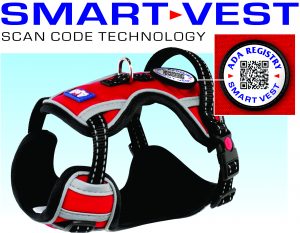
Smart Vests
Official Public Access Kits
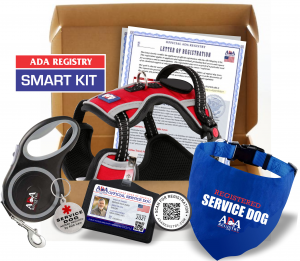
Complete Kits
USA & CANADA Letters
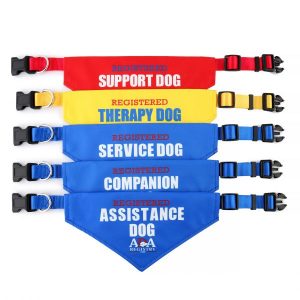
High Quality Bandanas
Service Dog Tags
Smart Tags
ESA TAGS