Pug as a Service Dog
Register Any Breed
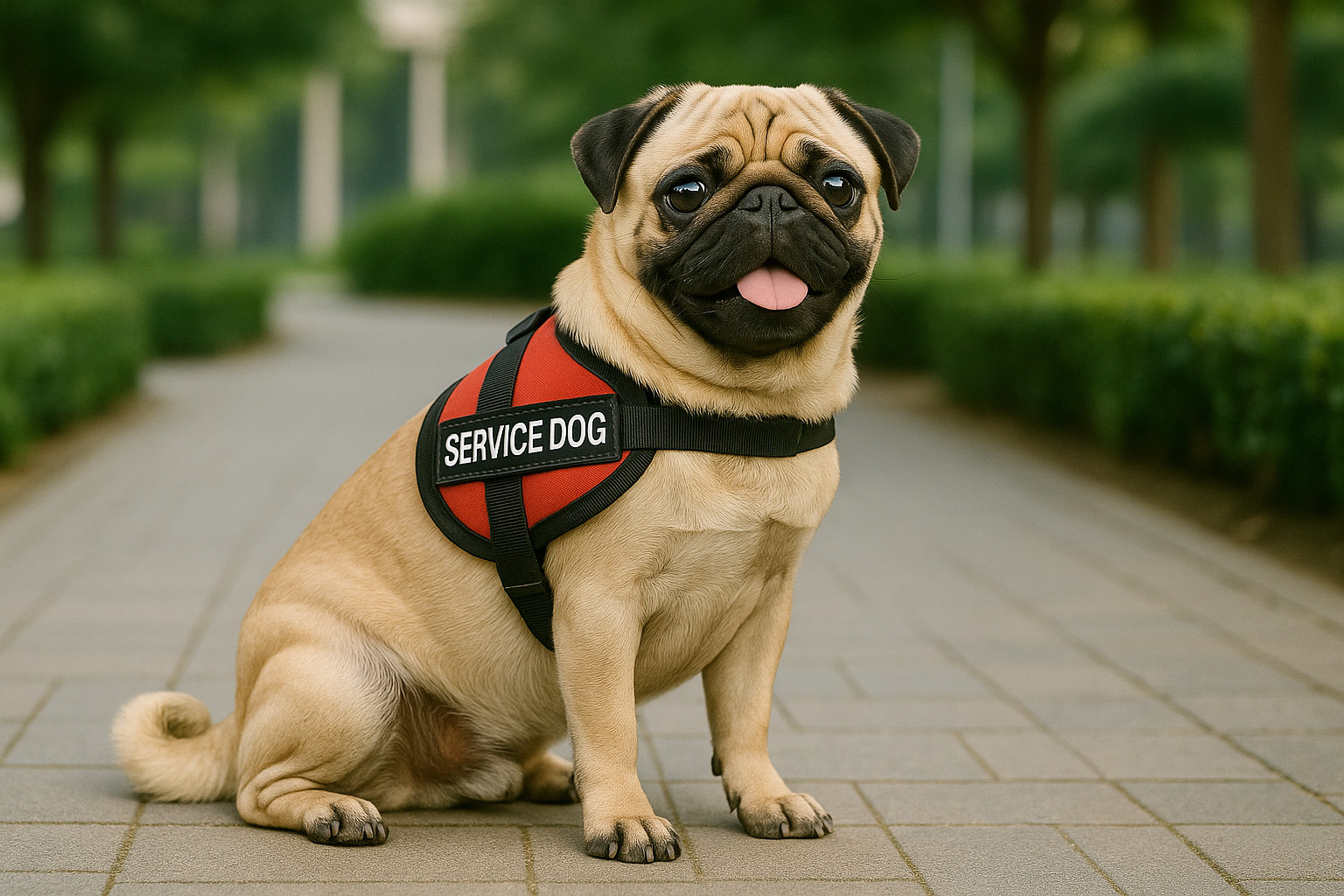
Service dogs play a vital role in assisting individuals with varying disabilities. The demand for different types of service dogs has led to the consideration of various breeds, including the Pug. Although Pugs are not typically recognized as a prime choice for service work due to their size and certain inherent health conditions, they do possess qualities that make them suitable for specific types of service roles. In this comprehensive article, we will delve into the characteristics of Pugs, evaluating their potential as service dogs and providing an in-depth understanding of their capabilities and limitations.
Pug Overview
Pugs are a small breed belonging to the toy group, originally bred in China and later popularized in Europe due to their charming demeanor and distinctive looks. Known for their wrinkled faces and curled tails, Pugs are adored by many for their loving nature and quirky attitudes.
Physical Characteristics
Pugs are recognized for their compact and sturdy bodies. Typically weighing between 14 to 18 pounds and standing 10 to 13 inches tall, they fall into the smaller category of service dog breeds. Their physical stature has both advantages and drawbacks when it comes to service work.
Advantages:
- Size: Their small size makes them suitable for individuals who require a service dog that does not demand much living space or require extensive physical maintenance.
- Compactness: Their compact nature allows them to navigate small spaces effectively, which can be ideal for indoor assistance roles.
Drawbacks:
- Strength Limitations: Due to their small size, Pugs lack the physical strength required for tasks such as mobility assistance or pulling.
- Energy Levels: Pugs have moderate energy levels, which might not suit service roles demanding extensive physical endurance.
Temperament and Attitude
The temperament of a Pug is one of its most appealing qualities, making it a valuable asset in certain service dog roles. Pugs are known for their:
- Affectionate Nature: They form strong bonds with their owners, which is crucial in providing reliable companionship and support.
- Sociability: Pugs are generally friendly, enjoying social interactions with humans and other animals, making them apt for settings with regular public exposure.
- Playfulness: Their playful demeanor can be uplifting, contributing positively to emotional support scenarios.
However, it's essential to consider:
Register Any Breed
- Stubbornness: Pugs can exhibit a streak of stubbornness, necessitating consistent, patient training approaches.
- Attachment: Their tendency to form attachments can lead to anxiety when left alone, a trait that may hinder tasks requiring independence.
Types of Service Work
Given their physical and temperamental characteristics, Pugs are best suited to specific roles, particularly those oriented towards companionship and emotional support. Some suitable areas include:
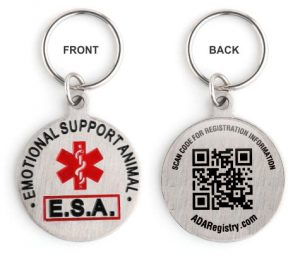
- Emotional Support Animals (ESA): Their affectionate and companionable nature makes Pugs ideal for providing comfort and stability to individuals with emotional or psychological challenges.
- Therapy Dogs: In therapeutic environments, the Pug’s friendly demeanor can offer substantial comfort to patients undergoing stress or trauma recovery.
Roles that Pugs may not be well-suited for include:
- Mobility Assistance: Due to their size and strength limitations, Pugs cannot effectively assist with tasks requiring significant physical support.
- Medical Alert Tasks: While possible, training a Pug for specific alert tasks such as low blood sugar detection may be challenging due to their predisposition to distractions and energy limitations.
Health Considerations
Pugs are predisposed to certain health conditions that might impact their capability as service dogs, including:
- Brachycephalic Syndrome: This condition results from their short noses and flat faces, causing them to have respiratory challenges, particularly in hot or physically demanding conditions.
- Obesity: Pugs have a tendency to gain weight, which can exacerbate other health issues such as joint problems and breathing difficulties, impacting their ability to perform service roles.
- Skin Issues: Their skin folds can lead to infections if not properly maintained, requiring owners to commit to regular grooming routines.
Managing these health conditions involves:
- Ensuring a balanced diet to maintain a healthy weight.
- Providing regular, appropriate exercise to manage energy levels and weight.
- Consistent grooming to prevent skin infections and maintain coat health.
Training and Suitability
While Pugs have attributes suitable for certain service roles, their trainability can vary significantly based on individual personality and specific training methods employed. Key considerations include:
- Intelligence: Pugs are intelligent and capable of learning commands, although their responsiveness can sometimes be hampered by stubbornness.
- Training Approach: Positive reinforcement methods are most effective, emphasizing patience and consistency.
- Focus: Short, engaging training sessions help maintain their interest without overtaxing their attention span.
Summary of Pug
In conclusion, Pugs bring unique qualities to the table as potential service dogs. They thrive in roles that leverage their affectionate nature and social tendencies, such as emotional support and therapy settings. However, limitations regarding physical capabilities and health vulnerabilities should be carefully considered.
Key Points:
- Strengths: Affectionate nature, sociability, suitability for companionship roles.
- Limitations: Physical strength, stubbornness, health issues.
- Ideal Roles: Emotional support animals, therapy dogs.
- Not Suited For: Mobility assistance, high-energy alert tasks.
Understanding these aspects will aid in determining if the Pug is the right service dog breed for specific needs. They may not be a universal solution, but for the right individuals requiring companionship and light assistance, Pugs can indeed offer profound support and joy.


-
Public Access Kits
$149.00 Learn more This product has multiple variants. The options may be chosen on the product page -
Quick Ship Premium Vests
$48.00 – $82.00 Learn more This product has multiple variants. The options may be chosen on the product page -
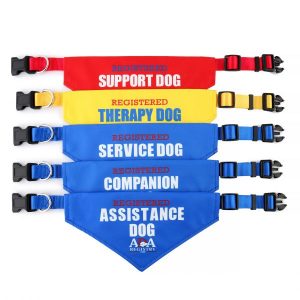
Service Dog Bandana
$39.95 Learn more This product has multiple variants. The options may be chosen on the product page
Custom ID Cards

Custom ID Cards
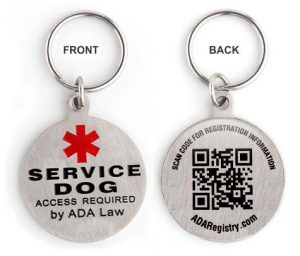
Custom Service Dog Tags
Official Dog Vests
Smart Vests
Official Public Access Kits
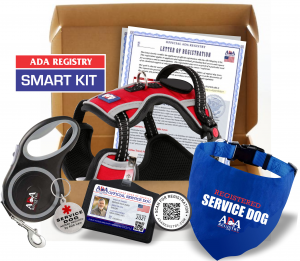
Complete Kits
USA & CANADA Letters
High Quality Bandanas
Service Dog Tags
Smart Tags

ESA TAGS