Pyrenean Shepherd as a Service Dog
Register Any Breed
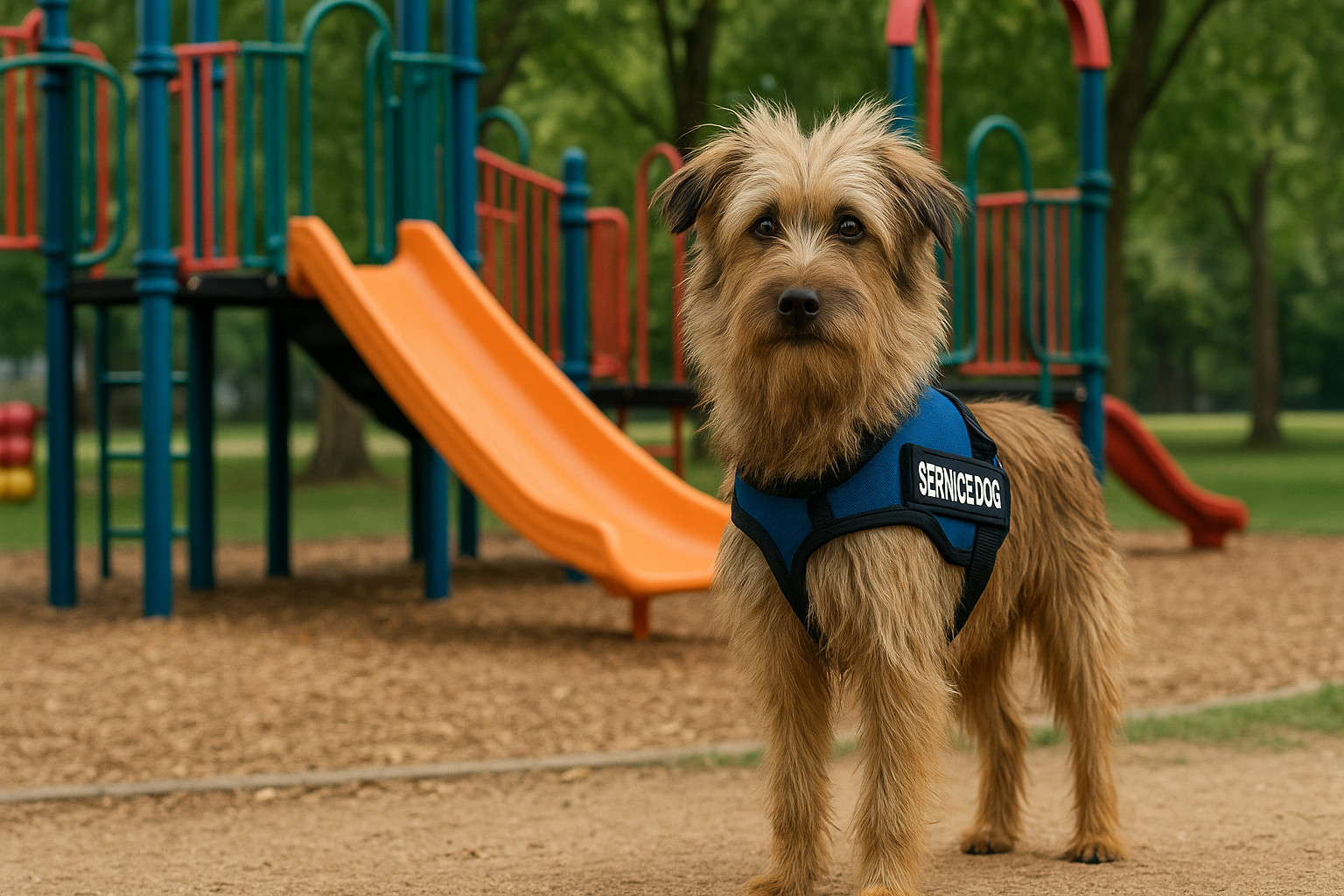
Service dogs provide invaluable support to individuals with disabilities, and choosing the right breed is crucial to ensuring both effective service and a successful partnership. The Pyrenean Shepherd, a breed renowned for its intelligence and determination, offers unique advantages and challenges as a service dog. This guide examines the potential of the Pyrenean Shepherd in service work by exploring its physical characteristics, temperament, specific service roles, health considerations, and training suitability.
Pyrenean Shepherd Overview
Originating from the mountainous regions of France, the Pyrenean Shepherd is a small, agile herding breed traditionally used for shepherding flocks in challenging terrains. This breed’s adaptability, agility, and quick wit have transitioned from pastoral settings to more modern roles, including service work. However, understanding the breed’s full potential as a service dog requires an in-depth exploration of its attributes.
Physical Characteristics
The Pyrenean Shepherd is characterized by its diminutive size and athletic build. These traits, while advantageous in certain scenarios, can also present unique challenges.
- Size and Build: Typically standing between 15 to 21 inches tall and weighing 15 to 30 pounds, the Pyrenean Shepherd is compact yet robust. Its smaller stature makes it less suitable for tasks requiring significant physical strength but ideal for roles where agility and presence in smaller spaces are needed.
- Coat and Maintenance: Sporting a coat that can be either rough-faced or smooth-faced, maintenance is easy with regular grooming. Individuals intending to use this breed as a service dog will find that their low-shedding coat suits working in public spaces and homes with allergy sufferers well.
- Energy Levels: The Pyrenean Shepherd is an energetic dog with excellent endurance. This energy needs to be channeled positively, making them ideal for service roles that require regular physical activity and vigilance.
Temperament and Attitude
Temperament is a critical factor in determining a dog’s suitability for service work. In the case of the Pyrenean Shepherd, several traits stand out:
- Intelligence: This breed is exceptionally intelligent and enjoys learning, making them capable of handling complex tasks. Their intelligence, however, requires consistent mental stimulation to prevent boredom.
- Loyalty and Bonding: Pyrenean Shepherds form deep bonds with their handlers, which is beneficial for service work that relies on a close relationship between the dog and the handler.
- Alertness and Responsiveness: Known for their alertness, this breed is responsive and attentive, traits that are crucial for medical alert service dogs. However, their alertness can also manifest as wariness around strangers, which requires early socialization to manage effectively.
- Independence: While generally eager to please, they also have a streak of independence, a carryover from their herding history. This independence needs careful management to ensure they remain responsive to commands.
Types of Service Work
The Pyrenean Shepherd’s physical and behavioral characteristics make it suitable for certain types of service work, although not all.
- Psychiatric Service: Their intelligence and bond with owners make them excellent psychiatric service dogs, adept at performing tasks that mitigate psychiatric disabilities.
- Medical Alert: The breed’s alertness suits medical alert roles, where they can be trained to notice physiological changes in their handler and respond appropriately.
- Emotional Support: Their loyal nature and size make them excellent emotional support animals (ESAs). The close companionship they offer can effectively provide comfort and emotional stability.
- Mobility Assistance: Given their size, Pyrenean Shepherds are not typically suited to tasks like pulling wheelchairs or providing physical support for balance or mobility.
Health Considerations
Evaluating the breed’s general health and condition is crucial in determining their sustainability and longevity as service dogs.
- Lifespan: The typical lifespan of a Pyrenean Shepherd is 12 to 16 years, which is conducive to a long service career.
- Health Concerns: Like all breeds, they have some specific health issues, including hip dysplasia and epilepsy. Regular veterinary check-ups are vital to maintain the dog’s health over its service life.
- Exercise Needs: The breed’s high energy levels necessitate regular exercise, which is vital for overall health and helps prevent obesity-related issues.
Training and Suitability
For a Pyrenean Shepherd to excel as a service dog, the training approach must cater to its unique attributes:
Register Any Breed
- Trainability: Their intelligence makes them highly trainable; they excel when given clear instructions and positive reinforcement.
- Early Socialization: Early and consistent socialization is vital to ensure they are comfortable around different people and environments.
- Behavioral Consistency: Trainers must focus on consistency due to the breed’s potential for independence. They should incorporate varied training environments to maintain responsiveness in different scenarios.
Summary of Pyrenean Shepherd
Determining whether the Pyrenean Shepherd is the right partner for service work involves weighing their attributes against the specific needs of the task at hand. Below is an outline of their strengths, weaknesses, and ideal service roles:
Key Strengths
- High intelligence and trainability
- Strong bond and loyalty to handlers
- Excellent alertness and responsiveness
Key Weaknesses
- Not suited for physical support roles due to small size
- High-energy levels requiring ample exercise
- Potential health concerns impacting service duration
Ideal Service Roles
- Psychiatric service dog
- Medical alert dog
- Emotional support animal
In sum, the Pyrenean Shepherd is a versatile breed with distinct strengths that can make it an excellent service dog in the right circumstances. Through careful consideration of its attributes and needs, this breed can provide immense value and companionship to those requiring specific service assistance.


-
Public Access Kits
$149.00 Learn more This product has multiple variants. The options may be chosen on the product page -
Quick Ship Premium Vests
$48.00 – $82.00 Learn more This product has multiple variants. The options may be chosen on the product page -
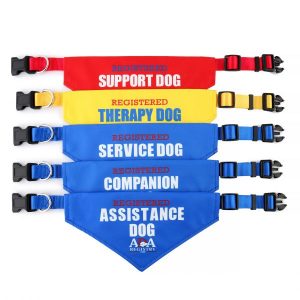
Service Dog Bandana
$39.95 Learn more This product has multiple variants. The options may be chosen on the product page
Custom ID Cards

Custom ID Cards
Custom Service Dog Tags
Official Dog Vests

Smart Vests
Official Public Access Kits
Complete Kits
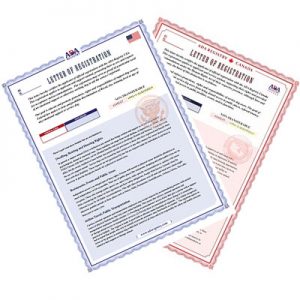
USA & CANADA Letters
High Quality Bandanas
Service Dog Tags
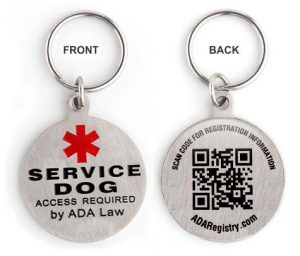
Smart Tags

ESA TAGS