Redbone Coonhound as a Service Dog
Register Any Breed
Redbone Coonhound Overview
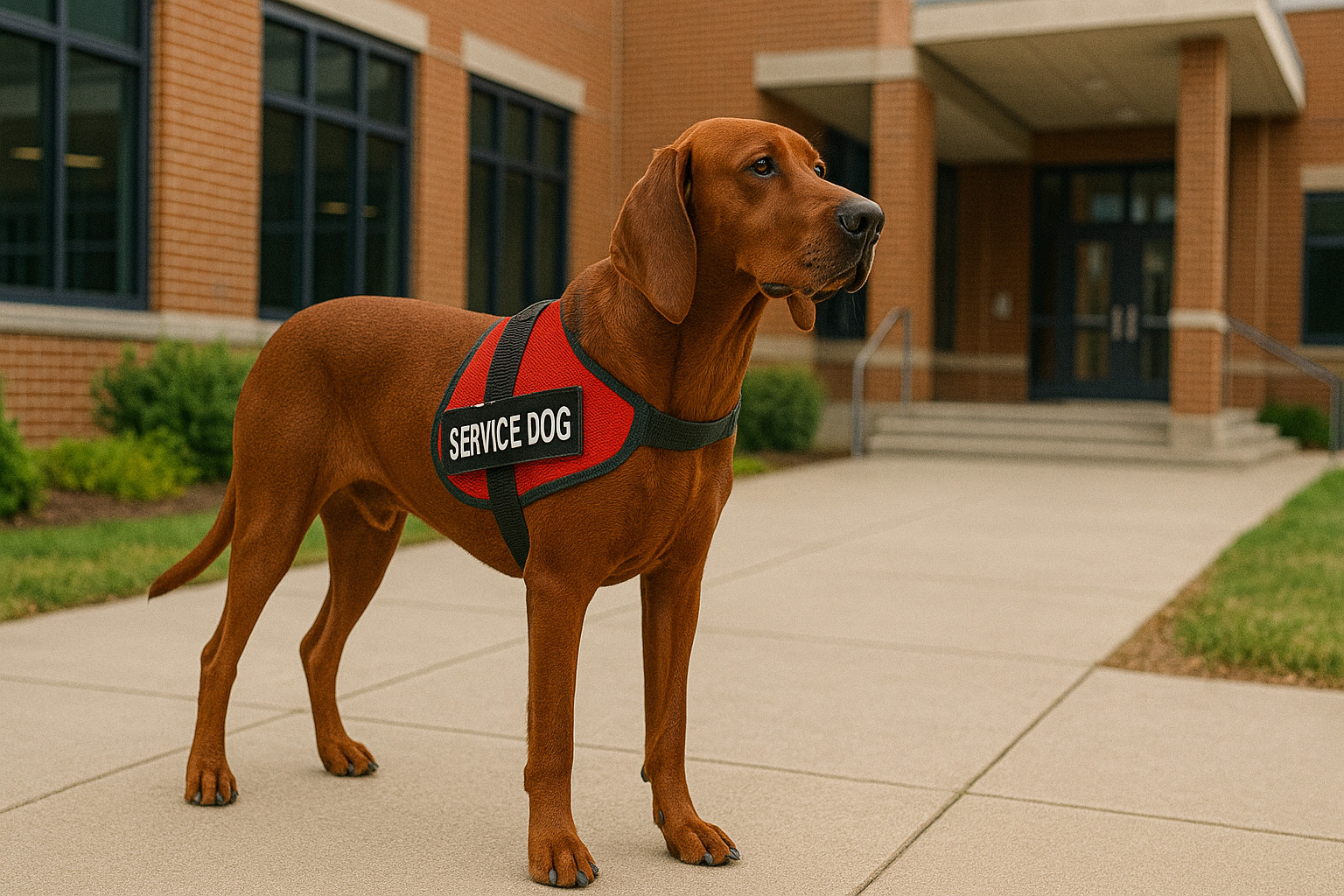
The Redbone Coonhound is a breed that traces its origins back to American colonial times, recognized for its stunning red coat and excellent hunting capabilities. While it is often regarded for its prowess in hunting and trailing, one might wonder if these characteristics translate into effective service dog capabilities. Understanding its physical characteristics, temperament, health considerations, and trainability is essential for assessing its suitability in a service dog role.
Physical Characteristics
The Redbone Coonhound is a medium to large dog with a distinctive appearance, contributing various strengths and potential challenges in a service dog context.
- Size and Strength: Standing between 21 to 27 inches at the shoulder and weighing around 45 to 70 pounds, the breed strikes a balance between strength and manageability. This size is advantageous for certain service tasks, such as mobility assistance, where strength is essential, yet it is not overwhelmingly large to handle.
- Energy Levels: Known for high energy and stamina, the Redbone requires significant exercise, which is crucial for maintaining its physical and mental health. These energy levels support tasks that demand endurance but might be challenging for individuals needing lower-energy companions.
- Coat and Maintenance: With a short, sleek red coat, this breed is relatively low maintenance in terms of grooming, which is advantageous for handlers who may not be able to engage in frequent grooming activities. However, they are moderate shedders, which could be a consideration for allergy sufferers.
Temperament and Attitude
The temperament of the Redbone Coonhound contributes significantly to its potential as a service dog. This breed is recognized for its friendly and sociable nature, though it possesses unique characteristics that both aid and challenge its service dog suitability.
- Socialization: Redbone Coonhounds are generally friendly and get along well with people, including strangers, which is essential for service dogs who must remain composed and approachable in various environments. This sociability is beneficial for tasks requiring public interaction, such as guiding or medical alert services.
- Intelligence and Independence: The breed exhibits an independent streak, stemming from its historical role in hunting. While they are intelligent and capable of learning complex tasks, their independence may necessitate a more patient and consistent training approach. Unlike some breeds that thrive on pleasing their owners, the Redbone may prioritize its interests if not properly motivated.
- Stress and Adaptability: Redbones are generally adaptable; however, they may exhibit a strong prey drive, which could be problematic in environments with small animals. This drive must be managed through training to ensure the dog remains focused and not easily distracted.
Types of Service Work
Redbone Coonhounds can excel in specific areas of service work, although their suitability varies depending on the particular demands of each role.
- Mobility Assistance: With their physical size and strength, Redbones can be trained to assist individuals with mobility tasks such as retrieving items or providing balance support. Their endurance is beneficial for handlers who rely on their assistance over longer durations.
- Medical Alert: Although less common, some Redbone Coonhounds may be trained for medical alert tasks, especially if they have a notable sense of smell developed through scent work. However, their independent nature may make them less reliable than breeds traditionally used for these tasks.
- Emotional Support and Therapy: Their friendly disposition and sociability make them well-suited for roles as emotional support animals or therapy dogs. They tend to form strong bonds with their handlers, providing companionship and emotional comfort.
- Search and Rescue: While not a traditional service dog role, Redbone Coonhounds excel in search-and-rescue missions due to their tracking skills, a testament to their hunting heritage.
Health Considerations
Health is a critical factor when considering a Redbone Coonhound for service work, as their longevity and ability to perform tasks without interruption are paramount.
- Hip Dysplasia: This breed can be prone to hip dysplasia, a condition that may affect mobility, hence impacting their ability to perform physical assistance tasks. Regular veterinary check-ups and maintaining an ideal weight can help manage this risk.
- Ear Infections: With floppy ears, Redbones are susceptible to ear infections. Routine ear cleaning and monitoring are crucial to prevent discomfort that could distract from their service duties.
- General Health: Overall, the Redbone is a robust breed with a lifespan of about 12 to 15 years, which allows for a lengthy period of service. Nonetheless, regular health evaluations are essential to preemptively address any emerging issues.
Training and Suitability
The suitability of the Redbone Coonhound as a service dog greatly depends on training and the handler's ability to leverage the breed's strengths while mitigating its challenges.
- Training Needs: Training a Redbone Coonhound for service work requires persistence and adaptability due to their independent mindset. Positive reinforcement strategies and consistent routines are fundamental in reinforcing desired behaviors.
- Behavioral Challenges: Focus and obedience are critical areas that may require extra attention, especially overcoming the prey drive. Early socialization and training are key to ensuring they can handle various environments and situations calmly.
- Intelligence and Learning: While intelligent, Redbones may exhibit selective hearing if tasks do not engage them. Tailoring training sessions to be engaging and varied can improve their willingness to learn and execute service tasks.
Summary of Redbone Coonhound
When considering the Redbone Coonhound for service work, it is important to weigh its strengths and unique qualities against the specific needs of the handler and service tasks.
Register Any Breed
- Strengths:
- Strong and capable of assisting with physical support tasks.
- Friendly and social, enhancing their suitability for public activities.
- High energy levels support roles demanding stamina and movement.
- Weaknesses:
- Independence requires a patient and structured training regimen.
- Prey drive needs management in environments with distractions.
- Susceptibility to certain health conditions, such as joint issues.
- Ideal Service Roles:
- Mobility assistance due to size and strength.
- Emotional support and therapy work given their friendly nature.
- Search and rescue or tracking roles leveraging their scent capabilities.
In conclusion, while the Redbone Coonhound is not the most conventional choice for a service dog, with appropriate training and management, it can effectively serve in roles that utilize its natural abilities and temperament. Whether assisting with mobility, providing companionship, or participating in rescue missions, the Redbone offers a unique combination of strength, friendliness, and intelligence in a service capacity.


-
Public Access Kits
$149.00 Learn more This product has multiple variants. The options may be chosen on the product page -
Quick Ship Premium Vests
$48.00 – $82.00 Learn more This product has multiple variants. The options may be chosen on the product page -
Service Dog Bandana
$39.95 Learn more This product has multiple variants. The options may be chosen on the product page
Custom ID Cards

Custom ID Cards
Custom Service Dog Tags
Official Dog Vests

Smart Vests
Official Public Access Kits
Complete Kits
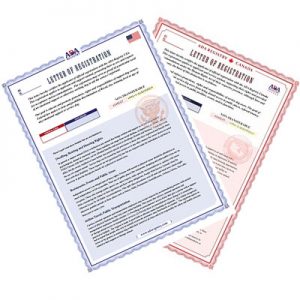
USA & CANADA Letters
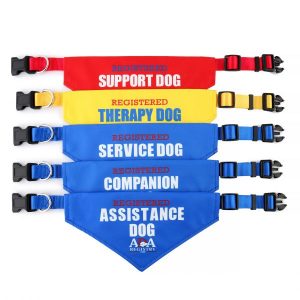
High Quality Bandanas
Service Dog Tags
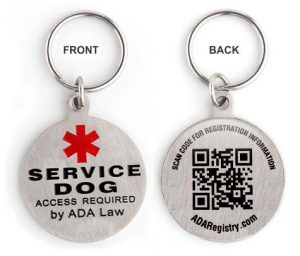
Smart Tags

ESA TAGS