Tibetan Terrier as a Service Dog
Register Any Breed
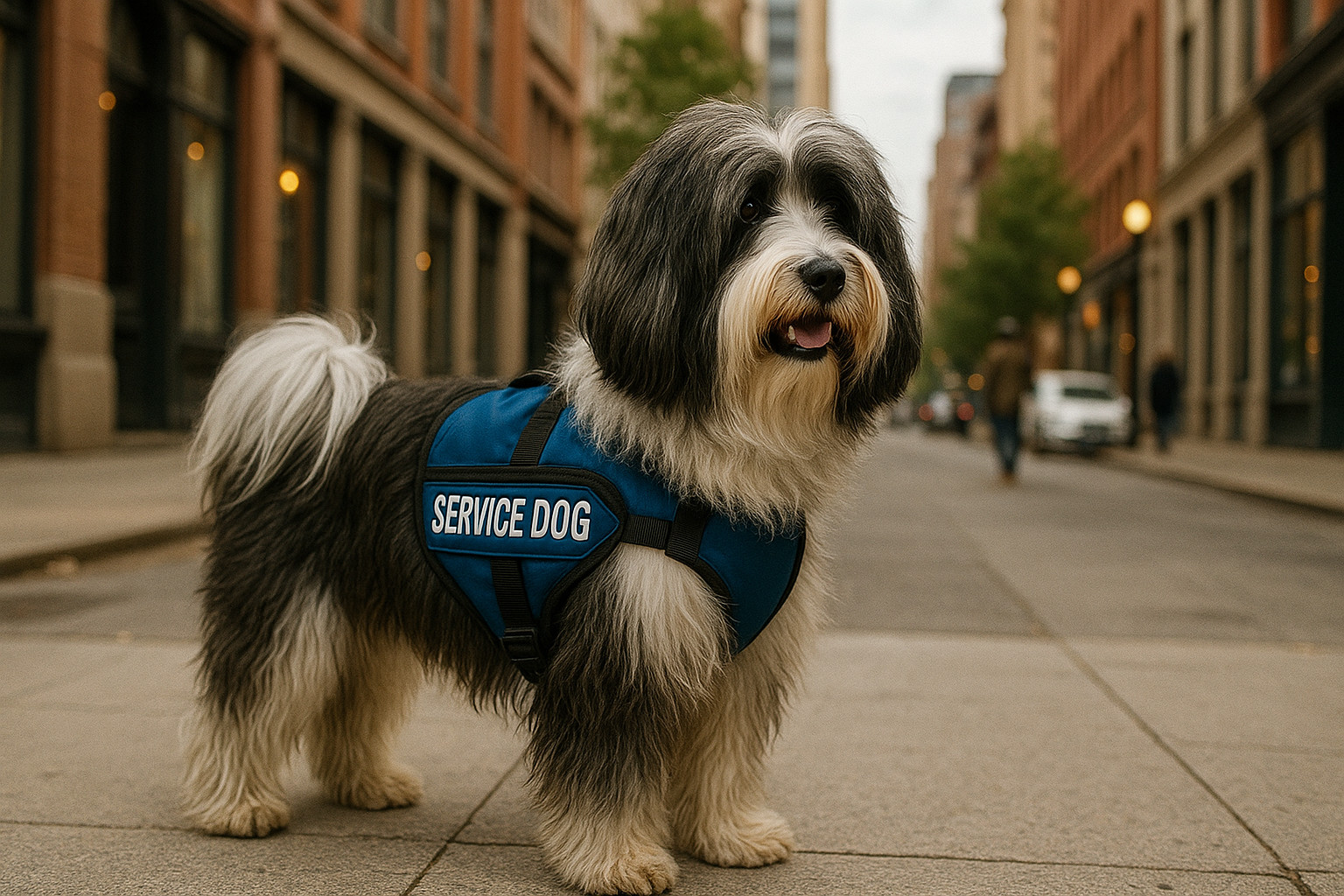
The Tibetan Terrier, often referred to as the "Holy Dog of Tibet," is a unique and intriguing breed. While not as common as Labradors or Golden Retrievers in service dog roles, their distinctive characteristics make them a viable option for certain types of service work. Below, we explore their suitability as service dogs by examining their physical traits, temperament, types of service work they excel in, health considerations, and training potential.
Tibetan Terrier Overview
Originating from the monasteries of Tibet, the Tibetan Terrier has been long regarded as a companion and watchdog. Known for their endurance and agility, these dogs were traditionally used to herd sheep and guard properties. With a history rooted in companionship, their adaptability in filling service roles can be attributed to their ancestral relationship with humans as working partners.
Physical Characteristics
The Tibetan Terrier is a medium-sized dog, typically weighing between 20 to 24 pounds and standing about 14 to 17 inches tall. They have a square, compact build which provides them with:
- Agility and Strength: Despite their medium stature, Tibetan Terriers are muscular and capable of swift movements, which can be beneficial for tasks requiring agility like retrieving items or providing alerts.
- Size Consideration: While their size can be a limitation for service work involving mobility support, it is ideal for roles that don't require physical strength, such as psychiatric support or alert functions.
- Coat Attributes: The breed sports a double coat—soft undercoat with a long, flowing topcoat. Their luxurious coat requires regular grooming but offers excellent protection against harsh weather, beneficial for outdoor tasks in variable climates.
Temperament and Attitude
Tibetan Terriers possess a gentle and friendly demeanor, essential traits for any service dog. They are known for:
- Loyalty and Attachment: Highly devoted to their owners, Tibetan Terriers often form strong bonds, an asset in service roles that require constant companionship and awareness of the handler's needs.
- Calmness and Steadfastness: Their composed nature allows them to remain focused in potentially stressful or loud environments, making them suitable for public access settings.
- Alertness and Responsiveness: Naturally attentive, they can be trained to recognize signs of medical alerts or provide reminders, although sometimes their independent streak may require close supervision during training phases.
Types of Service Work
Given their mental acuity and temperament, Tibetan Terriers are especially suited for specific service tasks:
- Medical Alert Dogs: Their keen senses can be harnessed to alert handlers to diabetic lows or potential seizures, thanks to their natural attentiveness and trainable nature.
- Psychiatric Service Work: The breed's strong emotional intelligence and loyalty make them ideal companions for individuals needing reassurance, grounding, and non-verbal communication assistance in anxiety-inducing scenarios.
- Emotional Support: As inherently nurturing dogs, Tibetan Terriers excel as emotional support animals, providing comfort and companionship to individuals with mental health challenges.
Health Considerations
While Tibetan Terriers are generally healthy, prospective service dog owners should be aware of breed-specific health concerns:
- Hip Dysplasia: This common condition can affect their agility and long-term comfort, necessitating regular veterinary care and attention to weight management.
- Progressive Retinal Atrophy (PRA): A disorder leading to blindness, PRA should be monitored closely, particularly because vision is crucial for service work.
- Allergies: The breed is prone to skin issues, often manageable with dietary adjustments and proper grooming.
Regular veterinary check-ups and preventive measures are essential to ensure a Tibetan Terrier remains healthy and effective in their service role.
Register Any Breed
Training and Suitability
Training a Tibetan Terrier as a service dog involves leveraging their intelligence and willingness to please. However, trainers must consider:
- Trainability: While intelligent and eager to learn, they can exhibit stubbornness. Consistent, positive reinforcement training is key to their success.
- Focus and Discipline: Their natural curiosity needs to be channeled through structured training methods, including stimulating tasks to keep them engaged and compliant.
- Socialization: Early and ongoing socialization ensures they are comfortable and well-behaved around people and other animals—critical components for service dogs frequently in public.
Summary of Tibetan Terrier
In summary, Tibetan Terriers present a unique blend of qualities that can make them suitable for certain service roles:
- Strengths:
- Alert and responsive, ideal for medical alert tasks
- Emotionally attuned and nurturing, suitable for psychiatric service work
- Manageable size for ease in public settings
- Weaknesses:
- Independent streak may pose a challenge in training without consistent methodology
- Not suitable for heavy mobility support due to moderate size and build
- Ideal Service Roles:
- Medical Alert Dog
- Psychiatric Service Dog
- Emotional Support Animal
By understanding and mitigating their limitations while leveraging their strengths, Tibetan Terriers can be successfully integrated into specific service roles, providing invaluable assistance and companionship to their handlers.


-
Public Access Kits
$149.00 Learn more This product has multiple variants. The options may be chosen on the product page -
Quick Ship Premium Vests
$48.00 – $82.00 Learn more This product has multiple variants. The options may be chosen on the product page -
Service Dog Bandana
$39.95 Learn more This product has multiple variants. The options may be chosen on the product page
Custom ID Cards

Custom ID Cards
Custom Service Dog Tags
Official Dog Vests

Smart Vests
Official Public Access Kits
Complete Kits
USA & CANADA Letters
High Quality Bandanas

Service Dog Tags
Smart Tags

ESA TAGS