
Treeing Walker Coonhound as a Service Dog
Register Any Breed
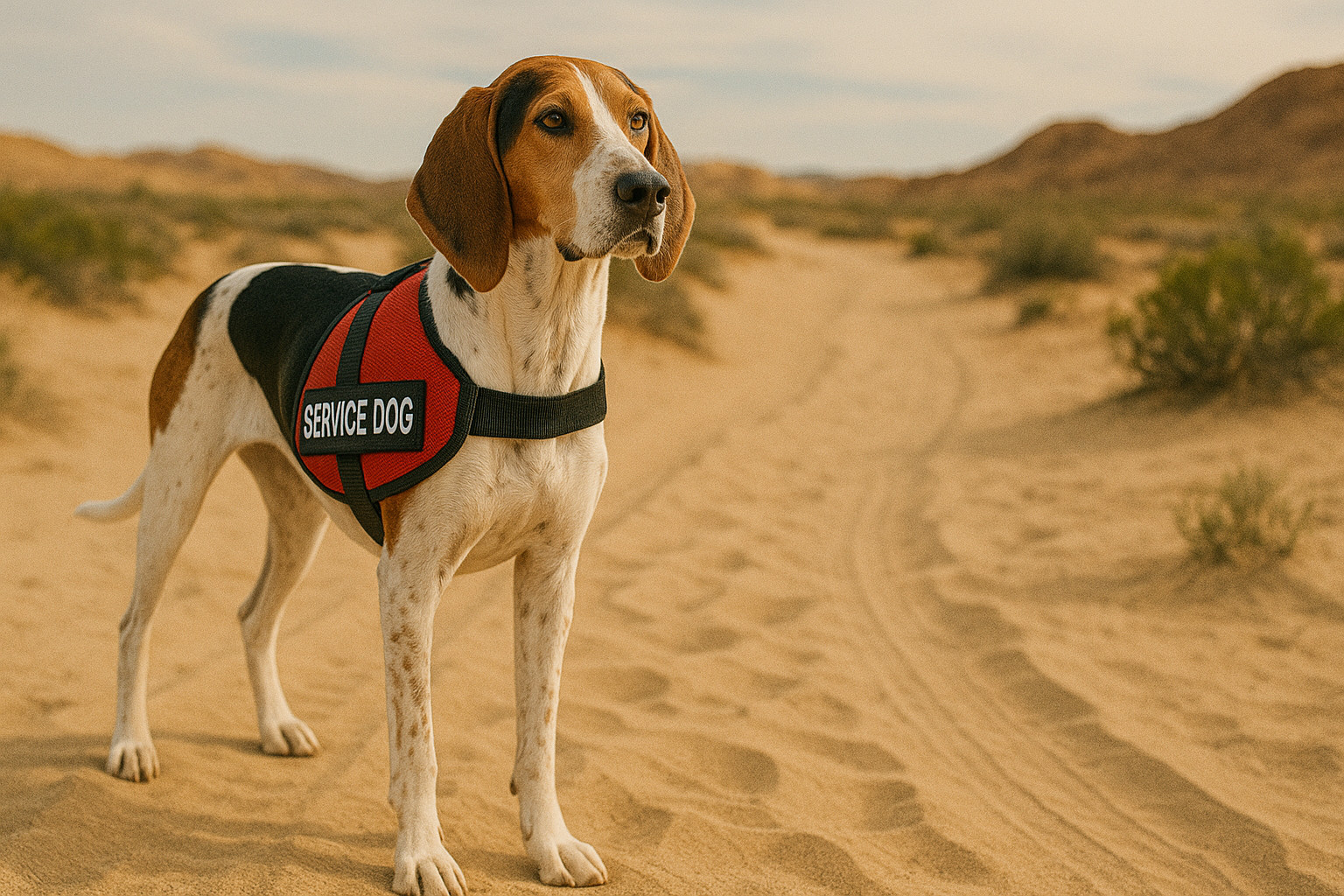
As a highly intelligent and driven breed, the Treeing Walker Coonhound presents both intriguing possibilities and distinct challenges when considered as a service dog. This article explores the characteristics, suitability, and potential roles of the Treeing Walker Coonhound in service work, providing a comprehensive analysis of their viability within this important field.
Treeing Walker Coonhound Overview
Originating from the United States, the Treeing Walker Coonhound is renowned for its hunting prowess and distinctive bay. Today, we delve into whether its physical and mental traits make it a fitting candidate for various service dog roles.
Physical Characteristics
Treeing Walker Coonhounds are medium to large-sized dogs, generally weighing between 50 to 70 pounds and standing around 20 to 27 inches tall at the shoulder. They possess a lean, muscular build optimized for endurance and agility, indicative of their hunting heritage. Their sleek, short coat offers easy maintenance, although their striking tri-color pattern — typically black, white, and tan — adds a touch of elegance.
Attributes supporting service work:
- Size and Strength: Appropriate for tasks requiring moderate physical intervention, such as mobility assistance.
- Endurance: High energy levels suitable for active service roles.
- Elegance and Manageability: Their clean, short coat makes them easier to groom compared to longer-haired breeds.
However, their size also demands sufficient physical space and a handler capable of managing their strength and vigor.
Temperament and Attitude
The temperament of a Treeing Walker Coonhound is characterized by friendliness, intelligence, and alertness. They are keenly attentive, reflecting their natural instincts as skilled hunters who need to track scents over long distances. This innate alertness and intelligence could be beneficial in specific service roles.
Behavioral Considerations:
Register Any Breed
- Friendly Disposition: Generally amicable with people, making them suitable to work in public settings.
- Intelligent and Alert: Good problem solvers who require mental stimulation.
- Potential Challenges in Public: Their strong prey drive and independent nature might cause distractions, especially in high-stress or stimulus-rich environments.
Their friendly nature makes them endearing companions, but their high energy and independence need to be effectively channeled through training and engagement.
Types of Service Work
Treeing Walker Coonhounds' unique combination of physical and mental traits means they can be suited for certain types of service work, though not all roles are ideal.
Best Suited for:
- Search and Rescue: Their exceptional scent-tracking ability positions them well in search and rescue operations, where persistence and keen senses are paramount.
- Detection Work: Their acute sense of smell can be utilized in roles such as detecting medical conditions, although such roles would require significant and specific training.
Potential Limitations:
- Mobility Assistance: While their size is adequate, their high energy and independent streak may limit their effectiveness in roles requiring constant focus and calm.
- Emotional Support and Therapy: Although they are amiable companions, their restlessness might be a hurdle in settings that require serenity.
Treeing Walker Coonhounds might be restricted in roles demanding prolonged periods of stillness or quietness due to their inquisitive and active nature.
Health Considerations
When assessing any breed for service work, health is a critical factor to consider. While generally healthy, the Treeing Walker Coonhound may be predisposed to certain conditions.
Common Health Issues:
- Hip Dysplasia: A condition that affects many medium to large breeds, potentially limiting mobility-oriented roles.
- Ear Infections: Due to their floppy ears, regular cleaning is essential to prevent infections, which can be particularly problematic in service settings.
- Eye Conditions: Some individuals might be prone to certain ocular issues that could affect their ability to work reliably.
Monitoring and maintaining health is essential to ensure a Coonhound’s prolonged ability and effectiveness as a service dog.
Training and Suitability
The training process for a Treeing Walker Coonhound as a service dog is crucial and requires patience, consistency, and expertise. While they are intelligent, their independent nature and strong prey drive can present challenges during training.
Training Insights:
- Intelligence and Learning Capability: Capable of learning complex tasks, but may display stubbornness without positive reinforcement techniques.
- Prey Drive Management: Training must address their strong hunting instincts. Emphasizing recall and impulse control is paramount.
- Socialization Needs: Early and consistent socialization to various environments, people, and other animals helps mitigate potential behavioral issues.
While they exhibit potential through intelligence and attentiveness, the training approach needs to be comprehensive and consistently reinforced to overcome breed-specific challenges.
Summary of Treeing Walker Coonhound
The Treeing Walker Coonhound presents a fascinating case when evaluated for service work. Their physical prowess, coupled with intelligence, suggests potential, but their independent nature and high energy level are factors to carefully consider.
Key Strengths:
- Exceptional Scent-Tracking Abilities
- Friendly and Amiable Disposition
- High Energy and Stamina Suited for Active Roles
Key Weaknesses:
- Strong Prey Drive That Can Cause Distractions
- Independence Leading to Potential Training Challenges
- Health Concerns like Ear Infections and Hip Dysplasia
Ideal Service Roles:
- Search and Rescue Operations
- Scent and Detection Work
In conclusion, the Treeing Walker Coonhound can excel in specific service roles where their scenting talents and endurance are required. They need dedicated, experienced handling and training to channel their independent spirit effectively. Consequently, while not universally recommended across all service dog capacities, they unquestionably bring unique and valuable skills to their potential roles.


-
Public Access Kits
$149.00 Learn more This product has multiple variants. The options may be chosen on the product page -
Quick Ship Premium Vests
$48.00 – $82.00 Learn more This product has multiple variants. The options may be chosen on the product page -
Service Dog Bandana
$39.95 Learn more This product has multiple variants. The options may be chosen on the product page
Custom ID Cards

Custom ID Cards
Custom Service Dog Tags

Official Dog Vests

Smart Vests
Official Public Access Kits

Complete Kits
USA & CANADA Letters

High Quality Bandanas

Service Dog Tags

Smart Tags

ESA TAGS
