Welsh Terrier as a Service Dog
Register Any Breed
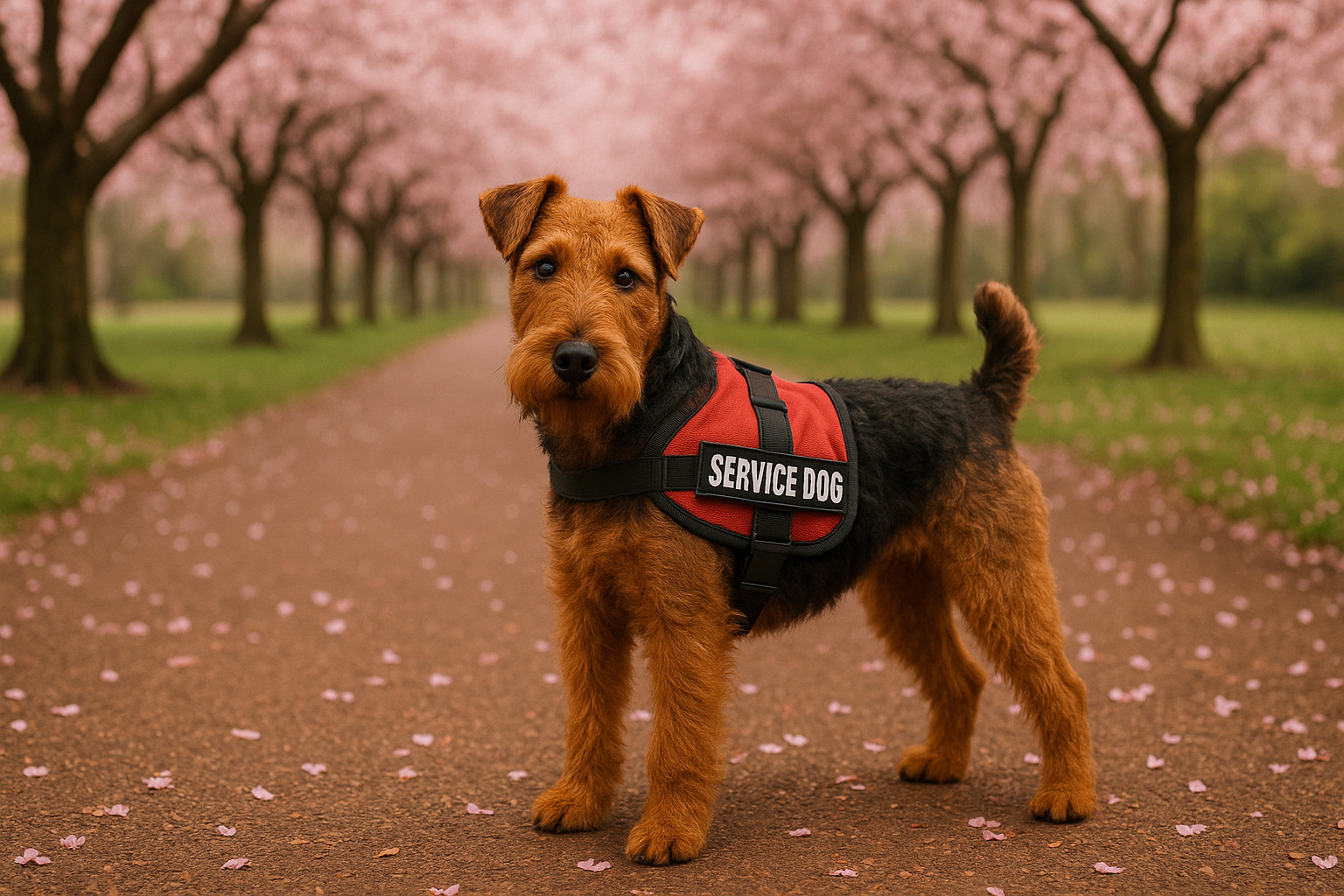
Welsh Terriers, with their distinct wiring coats and spirited personalities, are a breed that captures the interest of many dog enthusiasts. Known primarily for their excellent hunting instincts, you might wonder how a Welsh Terrier performs in the demanding role of a service dog. This article explores the various facets of Welsh Terriers and analyzes their suitability for different service roles.
Welsh Terrier Overview
Originating from Wales, the Welsh Terrier is one of the oldest European dog breeds used for hunting foxes, rodents, and badgers. This heritage provides Welsh Terriers with certain physical and temperament traits essential for service work.
Physical Characteristics
The Welsh Terrier is compact yet robust, typically weighing between 20 and 22 pounds and standing about 15 inches high at the shoulder. These features make them highly portable but potentially less suited for certain types of physically demanding service work.
- Size: Their small, sturdy build makes them ideal for environments where larger dogs may not fit, such as in crowded public transport, but limits their ability to perform strength-demanding tasks like mobility assistance.
- Energy Level: Welsh Terriers are energetic and require regular exercise. This high energy level is beneficial for tasks requiring alertness and quick response, such as medical alert service.
- Grooming Needs: Sporting a wiry coat, the breed requires regular grooming to maintain its appearance and health, which might be a consideration for handlers with mobility issues.
Temperament and Attitude
Welsh Terriers are known for their lively and independent personalities, both potential assets and challenges in the realm of service work.
- Temperament: These dogs are intelligent and quick learners, traits that are critical for training in service roles. However, their independent streak means they require consistent and firm training methods.
- Behavior in Public: Generally friendly and sociable, Welsh Terriers can adapt well to public settings, making them suitable for service work in various environments. Their high prey drive, though, means that extra training might be necessary to ensure appropriate behavior around other small animals.
- Stress Resilience: Their seasoned personalities help them manage stressful environments effectively, although proper training and socialization from a young age are critical.
Types of Service Work
Welsh Terriers can excel in specific service roles, though they may not be suited for all types due to their size and temperament.
- Medical Alert: With keen senses and high energy, Welsh Terriers can be trained to alert handlers to medical episodes such as low blood sugar in diabetics or upcoming seizures.
- Psychiatric Support: Their sociable and attentive nature makes them good candidates for psychiatric service roles where companionship and emotional support are paramount.
- Emotional Support: As loyal companions, Welsh Terriers can provide significant emotional support and assistance, a role well-suited to their size and temperament.
Health Considerations
Like all breeds, Welsh Terriers have specific health conditions that need to be considered when evaluating their suitability as service dogs.
- Genetic Conditions: They may be prone to specific hereditary conditions such as lens luxation and allergies, which can impact their ability to serve without interruption.
- Longevity: With a lifespan of 12-15 years, they can offer long-term companionship, though their period of active service might be limited due to age-related health concerns as they mature.
Training and Suitability
Training a Welsh Terrier requires patience and understanding of their unique attributes.
Register Any Breed
- Trainability: Known for their intelligence, Welsh Terriers can be trained effectively with consistency and positive reinforcement strategies. Their independence, however, can present challenges requiring experienced trainers.
- Intelligence and Independence: While they are quick learners, their independent nature means they need motivation and varied training routines to prevent boredom and maintain engagement.
Summary of Welsh Terrier
Using the traits and characteristics explored, we can summarize the suitability of the Welsh Terrier as a service dog with a focus on their key strengths and challenges.
- Suitability: Best suited for medical alert and psychiatric support roles, depending on individual temperament and training.
- Key Strengths:
- High energy and alertness beneficial for medical alert roles.
- Sociable nature makes them good companions for psychiatric or emotional support.
- Weaknesses:
- Limited physical strength may restrict roles involving mobility assistance.
- Requires professional grooming and maintenance.
- Independent streak can be a training hurdle for inexperienced handlers.
- Ideal Roles: Medical alert, psychiatric support, or emotional support companion.
The Welsh Terrier’s spirited nature, intelligence, and sociable disposition make it a noteworthy consideration for specific service roles. Prospective handlers should weigh these factors alongside their own needs and the dog’s individual temperament.


-
Public Access Kits
$149.00 Learn more This product has multiple variants. The options may be chosen on the product page -
Quick Ship Premium Vests
$48.00 – $82.00 Learn more This product has multiple variants. The options may be chosen on the product page -
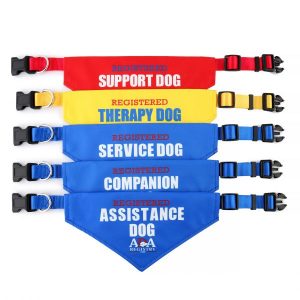
Service Dog Bandana
$39.95 Learn more This product has multiple variants. The options may be chosen on the product page
Custom ID Cards

Custom ID Cards
Custom Service Dog Tags
Official Dog Vests

Smart Vests
Official Public Access Kits
Complete Kits
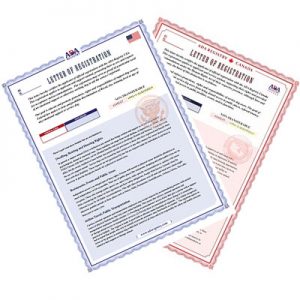
USA & CANADA Letters
High Quality Bandanas
Service Dog Tags
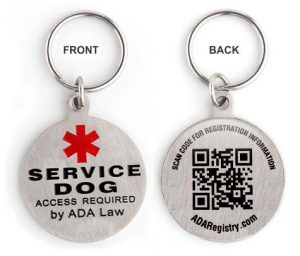
Smart Tags

ESA TAGS