Australian Terrier as a Therapy Dog

Register Any Breed
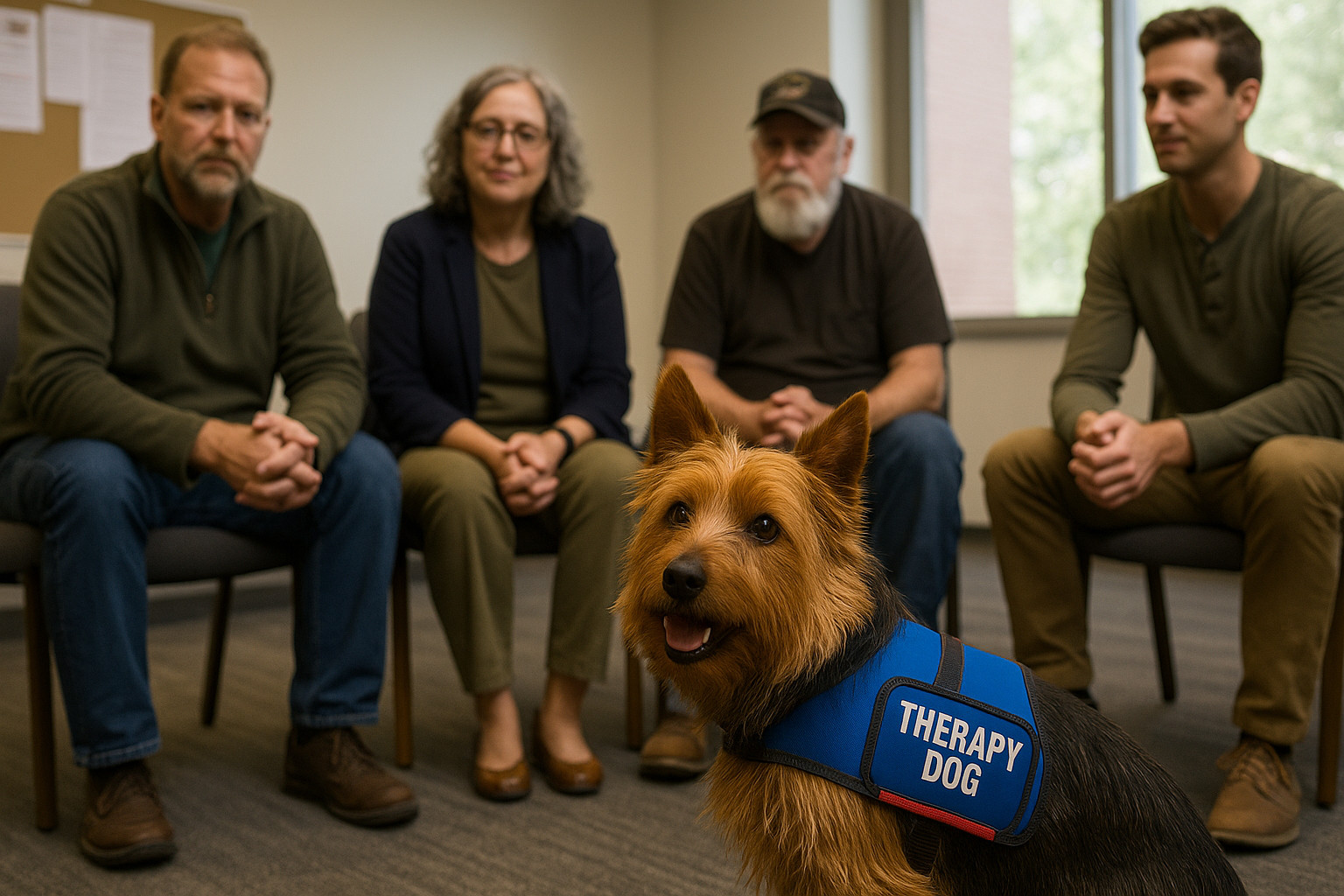
The Australian Terrier, with its compact size and spirited personality, is an intriguing choice for a therapy dog. This breed, known for its intelligence and friendly demeanor, can offer invaluable comfort and companionship in various therapeutic settings. This article will delve into the unique attributes and considerations of the Australian Terrier as a therapy dog, offering insights for trainers, healthcare providers, and therapy dog handlers.
Australian Terrier as a Therapy Dog Overview
Understanding the Therapy Dog Role
Therapy dogs play a unique role in providing comfort, support, and a sense of calmness within clinical, educational, and rehabilitative environments. Unlike service dogs, therapy dogs are trained primarily for interaction purposes, creating a positive emotional impact on people they meet. The Australian Terrier, with its lively yet gentle disposition, can excel in these roles through its ability to form quick bonds and evoke smiles.
- Emotional Connection: Australian Terriers are known for forming strong attachments with handlers, a trait that extends to those they meet during therapy sessions.
- Adaptability: Their ability to adjust to different settings and people allows them to maintain composure in dynamic environments.
- Empathy and Calmness: This breed often displays an innate ability to sense emotional states and respond appropriately, promoting relaxation and joy in therapy scenarios.
Physical Appearance and Energy Level
The Australian Terrier is small, typically weighing around 15 to 20 pounds, which makes it highly maneuverable and non-intimidating—ideal traits for therapy dog work in close-knit environments.
- Compact Size: Their size makes them perfect for close interaction while seated, such as in a child's lap or beside an elderly person's chair.
- Moderate Energy: While energetic, their activity level can be moderated with adequate exercise, allowing them to transition smoothly into therapy settings without overwhelming those they are meant to comfort.
Personality and Emotional Intelligence
Australian Terriers are renowned for their alertness, intelligence, and affectionate nature, all crucial for effective therapy roles. They quickly learn and understand human emotions, offering comfort through presence and attentiveness.
- Affectionate Nature: They thrive on human interaction, often seeking connection through eye contact and mild physical gestures.
- Emotional Sensitivity: Known for their intuitive understanding of emotional needs, they can adapt their behavior to match the emotional climate of the situation.
Environments Where Australian Terrier Excels
Australian Terriers excel in environments where close human contact is essential, facilitating emotional relief through their spirited zest and affectionate behavior.
- Hospitals and Nursing Homes: Their size and temperament make them perfect for bedside interactions, providing comfort to patients and residents.
- Schools and Libraries: They perform exceptionally well in educational environments, where their friendly nature encourages relaxed learning and interaction.
- Rehabilitation Centers: Offering motivational interactions that can aid emotional rehabilitation.
Common Therapy Settings
The versatility of the Australian Terrier allows them to be effective in a variety of settings, offering therapeutic benefits through their warm and engaging presence.
- One-on-One Interactions: These dogs can provide undivided attention, crucial in one-on-one therapeutic sessions such as counseling or physical therapy.
- Group Activities: Their sociability suits community-centered activities where multiple individuals benefit from canine interaction.
Interactions with Different Populations
Australian Terriers demonstrate exceptional adaptability in their interactions across diverse groups, from children to the elderly, each gaining distinct benefits from their presence.
Register Any Breed
- Children and Young Adults: Their playful yet gentle manner helps in creating joyful interactions that can reduce anxiety and enhance well-being.
- Elderly Care: Their calm, comforting presence can bring significant emotional uplift to older adults, particularly those in assisted living.
Health and Wellness Factors
While generally healthy, certain health considerations may affect an Australian Terrier’s ability to function optimally as a therapy dog.
- Regular Vet Check-ups: Maintaining physical health ensures they are fit for therapy roles, free from diseases that could impede their participation.
- Grooming Needs: Regular bathing, brushing, and nail trimming are necessary to keep them presentable and comfortable for their visits.
Lifespan and Common Health Issues
With a lifespan of about 12 to 15 years, Australian Terriers offer many years of potential service as therapy dogs, though attention to health issues is important.
- Common Issues: Regular screenings for conditions such as allergies, diabetes, and joint problems can prolong their therapeutic capabilities.
Maintenance and Care Needs
The maintenance of the Australian Terrier impacts their readiness and ability to participate in therapy sessions.
- Daily Exercise: Consistent physical activity ensures their energy levels are well-managed, allowing them to be calm during therapy.
- Mental Stimulation: Involvement in tasks and activities keeps their mind sharp, improving their responses and interactions during therapy engagements.
Training and Certification Readiness
Successful therapy dogs require a solid foundation of training and socialization, areas where the Australian Terrier's intelligence shines.
- Obedience Training: Teaching basic commands ensures they follow directions accurately during therapy sessions.
- Socialization: Early exposure to different environments and people builds confidence and adaptability.
Learning Style and Responsiveness
Australian Terriers are known for their eagerness to learn, a trait that enhances their training for therapy work.
- Positive Reinforcement: Utilizing reward-based methods amplifies their learning experience, leading to more efficient and effective training results.
Handling Social and Emotional Stimuli
The Australian Terrier's ability to handle a wide range of social and emotional stimuli is a standout quality, poised to benefit therapy environments.
- Sensitivity to Cues: Their alertness allows for quick response to emotional cues, providing timely reassurance.
- Engagement with Participants: Their vibrant personality fosters active participation, enhancing the success of therapeutic missions.
Strengths, Limitations, and Ideal Roles for Australian Terrier
As a therapy dog, the Australian Terrier has particular strengths and certain limitations requiring consideration.
- Strengths: Affectionate, adaptive, and intelligent, with an inherent ability to form quick bonds.
- Limitations: May require careful management of exercise to maintain calmness, and attention to grooming for consistent presentation.
- Ideal Roles: Best suited for environments needing close interaction and emotional upliftment, such as hospitals and schools.
Final Thoughts
The Australian Terrier is an outstanding candidate for therapy work, bringing joy, comfort, and emotional support with its distinctive qualities. Their blend of intelligence, adaptability, and social nature makes them a versatile choice for diverse therapeutic environments, where their small size and loving temperament can significantly enhance the experience for those in need.
Key Takeaways for the Australian Terrier as a Therapy Dog
- Best suited for: Hospitals, schools, rehabilitation centers, and elderly care environments where they can support individuals closely.
- Not ideal for: Situations requiring prolonged stillness or where highly intense physical interactions are needed.
- Temperament highlights: Affectionate, intelligent, responsive, and adaptable.
- Care and health notes: Requires regular grooming and health check-ups, manageable exercise, and mental stimulation.
- Therapy environments where they shine: Ideal for places where their empathetic nature and sociability can promote emotional and mental well-being.


-
Public Access Kits
$149.00 Learn more This product has multiple variants. The options may be chosen on the product page -
Quick Ship Premium Vests
$48.00 – $82.00 Learn more This product has multiple variants. The options may be chosen on the product page -
Service Dog Bandana
$39.95 Learn more This product has multiple variants. The options may be chosen on the product page

Custom ID Cards

Custom ID Cards
Custom Service Dog Tags
Official Dog Vests
Smart Vests
Official Public Access Kits
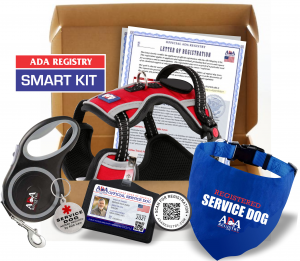
Complete Kits
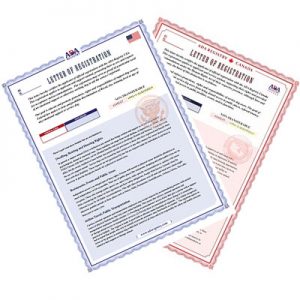
USA & CANADA Letters
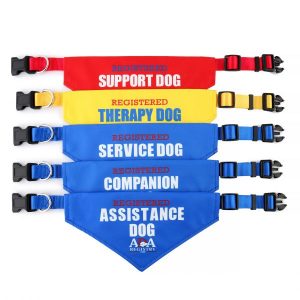
High Quality Bandanas
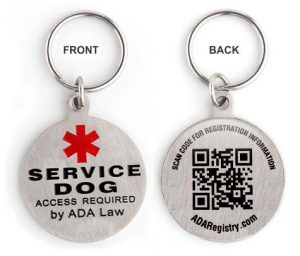
Service Dog Tags
Smart Tags

ESA TAGS