Bearded Collie as a Therapy Dog
Register Any Breed
Bearded Collie as a Therapy Dog Overview
The Bearded Collie, affectionately known as the "Beardie," is a breed that combines a joyful personality with intelligence and empathy, making it a potentially excellent candidate for therapy work. Their long, flowing coats and expressive eyes are just the beginning of what makes them special in a therapeutic setting. This article delves into the qualities that render the Bearded Collie adept at providing emotional support and comfort to those in need.
Understanding the Therapy Dog Role
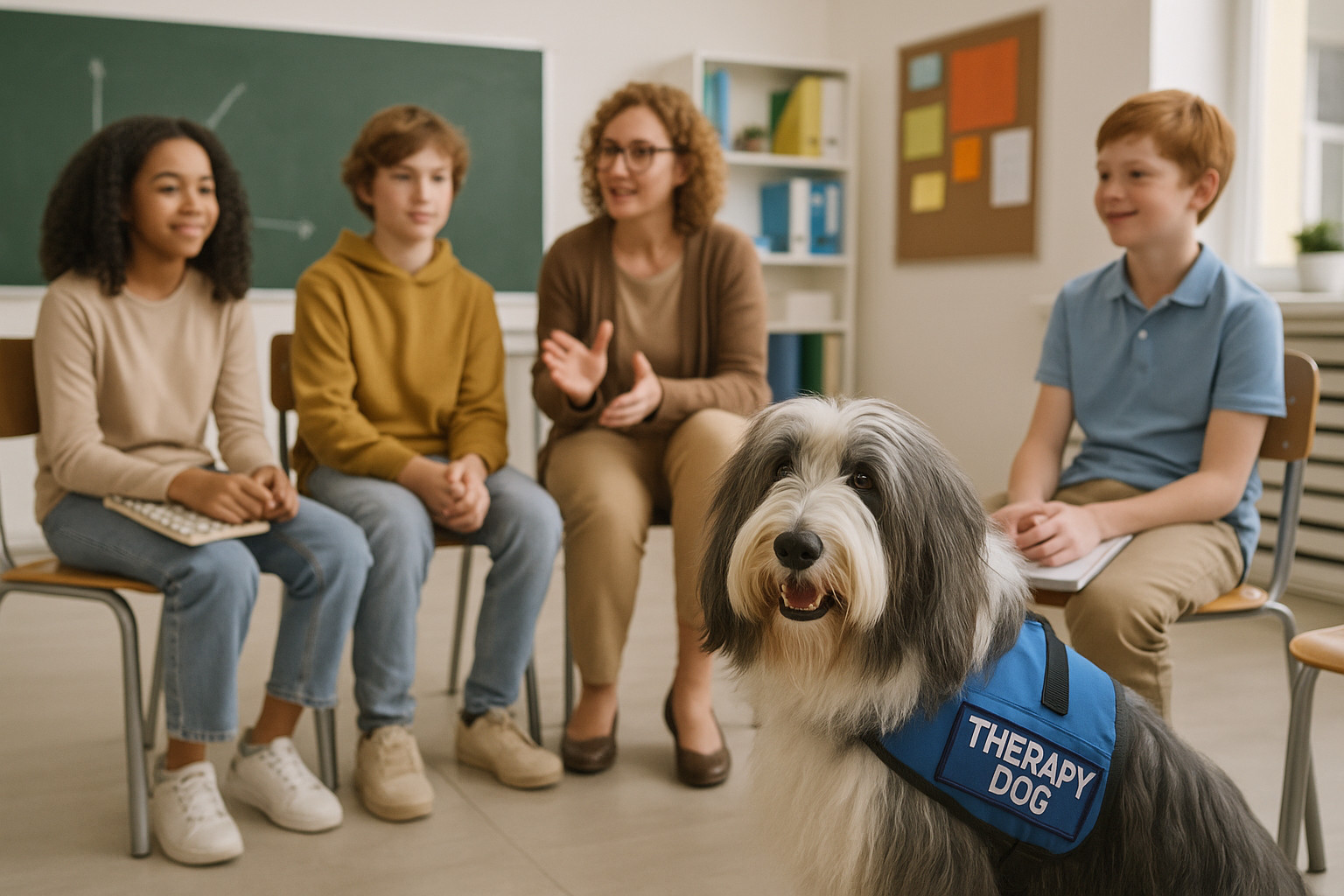
Therapy dogs serve a vital role in providing comfort, emotional support, and companionship to individuals across a variety of settings, including hospitals, schools, and nursing homes. Unlike service dogs, whose work involves specific tasks such as guiding individuals with vision impairments, therapy dogs offer emotional benefits through their presence and interaction. They must be adaptable, calm, and highly social, interacting positively with diverse groups of people.
The Bearded Collie embodies many of these attributes. Their exuberant yet gentle nature allows them to spread joy while still maintaining a steady demeanor essential for therapeutic environments. They thrive on human interaction and can sense when someone needs extra affection or attention, often providing a calming influence through their presence.
Physical Appearance and Energy Level
The Bearded Collie is a medium-sized dog known for its distinctive, long, flowing double coat and lively demeanor. Their physical appearance can be soothing and inviting to those who may feel alienated or distressed. The tactile experience of their soft coat can be comforting and engaging for patients, especially children and the elderly.
However, their high energy levels need to be channeled appropriately in a therapy setting. Regular exercise and mental stimulation are crucial, as an under-exercised Bearded Collie can become restless or overly exuberant. Ensuring they have an outlet for their energy before therapy visits can help keep them calm and focused when working.
Personality and Emotional Intelligence
One of the Bearded Collie's standout features is its remarkable emotional intelligence. This breed forms strong bonds with humans and exhibits a high degree of empathy and intuition. They can often sense emotional states in people and adjust their behavior accordingly, a trait that is invaluable in therapy settings.
Bearded Collies are known for their biddable and friendly personalities. They naturally seek to please and engage, making them well-suited to environments where they must interact with new people regularly. Their playful yet respectful demeanor can brighten the day of those they visit, providing an uplifting experience that supports emotional healing and well-being.
Register Any Breed
Environments Where Bearded Collie Excels
Bearded Collies can thrive in various environments where therapy dogs are used. Their ability to adapt to different settings and personalities makes them suitable for a range of therapy objectives. Some common environments include:
- Hospitals: Their calming presence can alleviate anxiety and offer comfort to patients during recovery. They also provide a welcome distraction to medical staff and caregivers, easing stress and fostering positive interactions.
- Rehabilitation Centers: The Breedie's playful nature encourages physical activity, which can aid in patient rehabilitation efforts. Their companionship can be particularly beneficial in motivating patients to engage in therapeutic exercises.
- Educational Settings: With their gentle disposition and patience, Bearded Collies can be excellent companions for children, including those with developmental disabilities or learning challenges. They promote social interaction, reduce stress, and enhance focus among students.
Common Therapy Settings
Therapy settings are as diverse as the needs they address. Bearded Collies can match the energy of different environments, whether calm and quiet or active and engaging. Common settings include:
- Nursing Homes: These dogs provide comfort and reduce feelings of isolation among residents. Their friendly demeanor and level of engagement can evoke positive emotional responses and improve socialization.
- Psychiatric Facilities: Bearded Collies can assist in bringing stability and comfort to individuals with mental health challenges. Their intuition and sensitivity help create an atmosphere of trust and emotional safety.
- Disaster Recovery Zones: This breed can offer solace and emotional support to those affected by crises, helping to mitigate trauma and stress in disaster-stricken areas.
Interactions with Different Populations
The adaptability and approachability of Bearded Collies allow them to interact effectively with a range of populations, including:
- Children: Their playful nature and patience make them appealing to children, facilitating engagement in educational or therapeutic activities.
- Elderly: Their calm, gentle demeanor can evoke memories of past pets, sparking conversations and enhancing mood.
- Individuals with Disabilities: Their intuitive understanding of human emotions and needs enables them to support individuals with physical, emotional, or cognitive disabilities.
Health and Wellness Factors
When considering a Bearded Collie for therapy work, it's important to focus on their health and wellness to guarantee safety and comfort during visits. Routine veterinary care, including vaccinations and regular check-ups, is vital to ensure that they remain healthy and fit for therapy work.
Their diet should be balanced and monitored to prevent obesity, which can affect energy levels and overall health. Regular health screenings are essential to detect common breed-specific health issues early.
Lifespan and Common Health Issues
Bearded Collies typically have a lifespan of 12 to 14 years. They are generally healthy, but like many breeds, they can be prone to certain health conditions, which may impact their suitability as therapy dogs if not managed correctly. Common health issues include:
- Hip Dysplasia: May limit mobility and impact their ability to engage in therapy exercises.
- Allergies: Can cause discomfort if not treated, affecting their demeanor and comfort level.
- Thyroid Issues: May lead to lethargy, influencing their engagement negatively during therapy visits.
Proper care, regular veterinary visits, and a good diet tailored to their specific health needs can help mitigate these concerns, ensuring they remain fit for therapy work.
Maintenance and Care Needs
The Bearded Collie's coat requires regular grooming to maintain its appearance and health. Regular brushing prevents tangling and matting and helps keep their coat clean for therapy work. Professional grooming may be beneficial to maintain a neat appearance that's crucial for therapy dog visits.
In addition to grooming, they need regular exercise to burn off energy and maintain their physical health. Enrichment activities like puzzles or interactive toys can also provide the mental engagement they thrive on.
Training and Certification Readiness
Training a Bearded Collie for therapy work requires patience and consistency. They are intelligent and eager to please, which makes them responsive to training. A firm, gentle training approach geared toward positive reinforcement is most effective.
Learning Style and Responsiveness
Bearded Collies are quick learners with a natural inclination toward understanding human emotions and intentions. Their curious nature ensures they enjoy learning new skills and commands, which keeps their training sessions lively and effective.
They respond well to encouragement and positive reinforcement, such as treats or praised rewards, tapping into their desire to please. Engaging them in short, focused training sessions can prevent them from becoming bored and unresponsive.
Handling Social and Emotional Stimuli
Robust socialization is crucial for a Bearded Collie's success as a therapy dog. Adequate early exposure to various people, environments, sounds, and experiences helps them remain stable and calm in dynamic therapy sessions.
They are notably sensitive to emotional stimuli, often adapting their behavior to suit the emotional atmosphere around them. This empathy can be harnessed to bring comfort in therapy environments but requires guidance to ensure they do not become overwhelmed.
Strengths, Limitations, and Ideal Roles for Bearded Collie
Strengths:
- Empathetic Nature: Their ability to connect on an emotional level makes them exceptionally effective in therapy settings.
- Adaptability: They transition smoothly among diverse settings, assisting a variety of individuals.
- Intelligence: They learn and perform tasks effectively, providing reliable support in therapy sessions.
Limitations:
- High Energy Needs: They require sufficient physical and mental stimulation before therapy visits.
- Grooming Requirements: Their coats need regular maintenance, essential for presenting well in professional therapy environments.
Final Thoughts
The Bearded Collie has numerous outstanding qualities that make it a valuable addition to therapy dog programs. Their capacity for empathy, coupled with intelligence and adaptability, renders them effective in promoting emotional healing and well-being. With proper care, exercise, and attention to their grooming and training needs, they can thrive in therapy settings, offering joy and comfort to those they visit.
Key Takeaways for the Bearded Collie as a Therapy Dog
- Best suited for: Hospitals, rehabilitation centers, educational environments
- Not ideal for: Situations requiring low-energy dogs or minimal grooming
- Temperament highlights: Empathetic, adaptable, intelligent
- Care and health notes: Regular grooming and exercise are essential; watch for breed-specific health issues.
- Therapy environments where they shine: Schools, nursing homes, disaster recovery zones


-
Public Access Kits
$149.00 Learn more This product has multiple variants. The options may be chosen on the product page -
Quick Ship Premium Vests
$48.00 – $82.00 Learn more This product has multiple variants. The options may be chosen on the product page -
Service Dog Bandana
$39.95 Learn more This product has multiple variants. The options may be chosen on the product page
Custom ID Cards

Custom ID Cards
Custom Service Dog Tags

Official Dog Vests

Smart Vests
Official Public Access Kits

Complete Kits
USA & CANADA Letters

High Quality Bandanas

Service Dog Tags
Smart Tags

ESA TAGS