Black and Tan Coonhound as a Therapy Dog
Register Any Breed
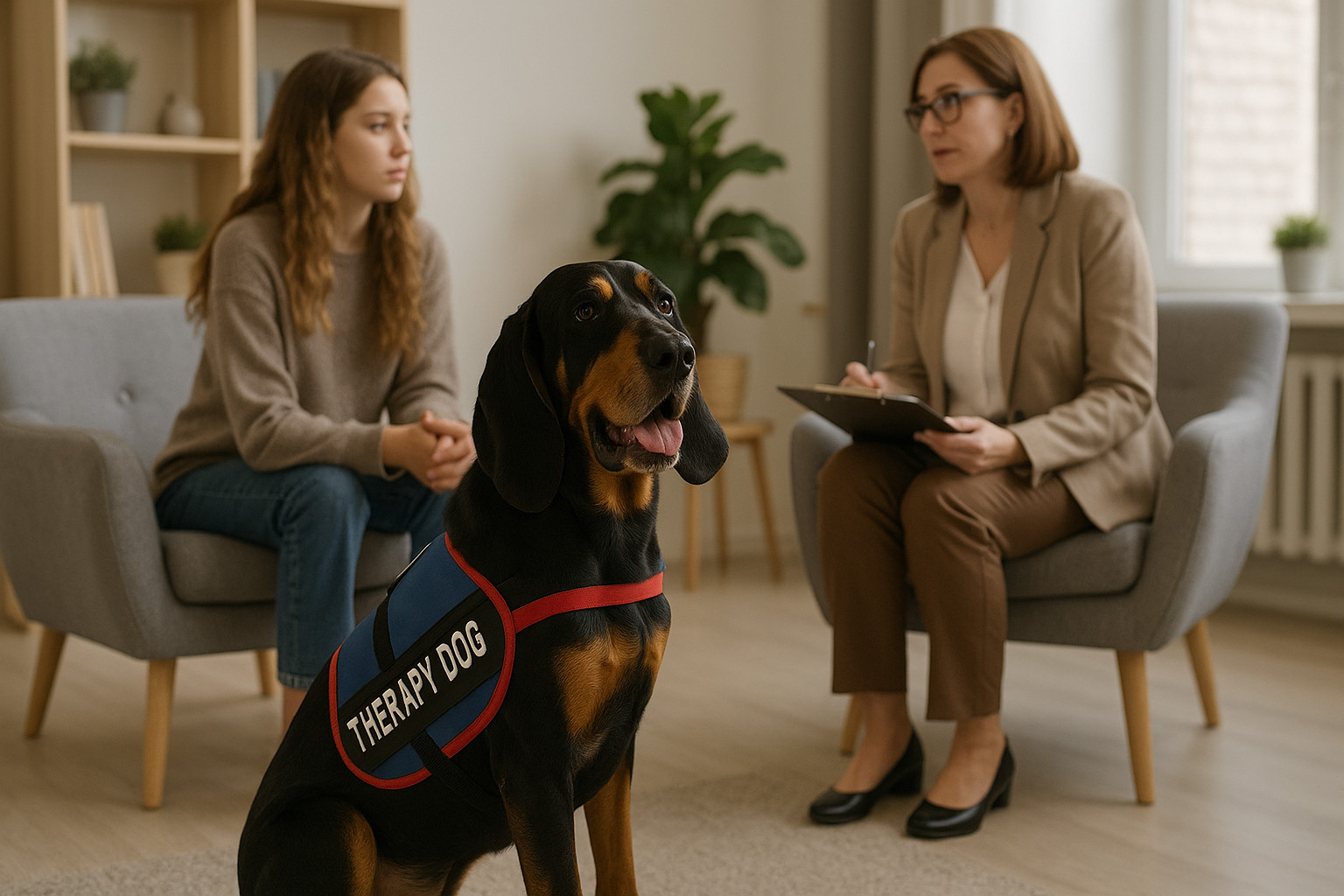
The Black and Tan Coonhound, a breed known for its striking appearance and keen sense of smell, has increasingly found a place in the world of animal-assisted therapy. While traditionally valued for its hunting abilities, this breed's mellow temperament and adaptability make it a strong candidate for therapeutic roles. This comprehensive guide will explore the characteristics that make the Black and Tan Coonhound a potential asset in therapy settings, including their temperament, training considerations, and the environments where they excel.
Black and Tan Coonhound as a Therapy Dog Overview
Understanding the Therapy Dog Role
Therapy dogs play a crucial role in providing emotional support and companionship to individuals in various settings. Unlike service dogs, therapy dogs do not perform specific tasks related to a person's disability but instead focus on offering comfort and stress relief. The success of therapy dogs is largely dependent on their ability to remain calm, demonstrate empathy, and possess a friendly demeanor. The Black and Tan Coonhound's natural disposition aligns well with these core requirements.
Physical Appearance and Energy Level
The Black and Tan Coonhound is a large, athletic breed with a distinctive black and tan coat. Their moderate energy levels allow them to engage actively without overwhelming their human companions. While their physical prowess suits them for outdoor activities, they are equally at ease during more sedentary therapy sessions. Their size requires consideration, especially in confined spaces, but their generally calm disposition helps mitigate concerns about over-excited behavior.
Personality and Emotional Intelligence
Known for their easygoing and gentle nature, Black and Tan Coonhounds often exhibit a high level of emotional intelligence, allowing them to sense and respond to human emotions effectively. This trait is invaluable in therapy work, as it enables them to provide comfort and reassurance. Their ability to empathize and create strong bonds with individuals makes them particularly effective in settings where emotional support is paramount.
Environments Where Black and Tan Coonhound Excels
Black and Tan Coonhounds thrive in a variety of environments, ranging from bustling hospitals to quiet nursing homes. Their adaptability allows them to adjust to the specific needs of each setting. For instance, their calm demeanor is beneficial in hospitals where patient interactions require sensitivity, while their friendly and unflappable nature suits school environments where they can engage with children across various age groups.
Common Therapy Settings
- Hospitals and Rehabilitation Centers: Black and Tan Coonhounds provide comfort to patients and staff, facilitating recovery and emotional well-being.
- Schools and Educational Facilities: Their calm demeanor helps them interact effectively with children, fostering a nurturing environment.
- Nursing Homes and Senior Care Facilities: The breed's relaxed nature makes them perfect companions for the elderly, reducing loneliness and providing gentle companionship.
Interactions with Different Populations
The Black and Tan Coonhound's versatility shines in their ability to connect with diverse populations. Their approachability makes them suitable for children, while their steady nature and patience are assets when working with individuals who have cognitive impairments or mental health challenges. The breed excels in environments where they can offer companionship and joy, adapting their interactions based on individual needs.
Health and Wellness Factors
Maintaining the health and wellness of therapy dogs is fundamental to their effectiveness. The Black and Tan Coonhound has a relatively robust health profile but requires regular veterinary checkups to prevent common breed-specific issues such as hip dysplasia and ear infections. A healthy diet, regular exercise, and grooming are essential to ensure they remain comfortable and capable of fulfilling their therapeutic roles.
Register Any Breed
Lifespan and Common Health Issues
Black and Tan Coonhounds typically live between 10 to 12 years. They can be prone to certain health conditions, including hip dysplasia, elbow dysplasia, and ear infections due to their long ears. Regular check-ups, a balanced diet, and maintaining an appropriate weight can mitigate these risks and enhance their quality of life, directly impacting their reliability as therapy animals.
Maintenance and Care Needs
- Grooming: Regular brushing helps manage their shedding and maintains coat health.
- Exercise: Moderate exercise is necessary to keep them fit, preventing obesity.
- Diet: A balanced diet tailored to their size and activity level supports longevity and energy levels.
These care aspects are crucial in ensuring the Black and Tan Coonhound remains a healthy and effective therapy dog.
Training and Certification Readiness
Training the Black and Tan Coonhound for therapy work harnesses their intelligence and eagerness to please. Their natural ability to follow commands, combined with positive reinforcement techniques, facilitates the learning process. The breed's patience and gentle demeanor make them ideal candidates for certification programs, where they can acquire the skills necessary for successful therapy engagements.
Learning Style and Responsiveness
The Black and Tan Coonhound demonstrates a responsive learning style, characterized by their willingness to please and ability to remain attentive during training sessions. This breed benefits from short, varied training exercises that maintain their interest and leverage their problem-solving abilities. Consistency and positive reinforcement are key to ensuring they retain learned behaviors and apply them effectively in therapy contexts.
Handling Social and Emotional Stimuli
Their impressive ability to handle social and emotional stimuli without becoming overwhelmed positions the Black and Tan Coonhound as a formidable therapy dog. Their low aggression levels and comforting presence can ease tensions, foster communicative interactions, and encourage emotional expression in therapy settings. Adjustments in their routine might be necessary to prevent overstimulation, ensuring they maintain their calm demeanor.
Strengths, Limitations, and Ideal Roles for Black and Tan Coonhound
The strengths of the Black and Tan Coonhound as a therapy dog lie in their adaptability, emotional intelligence, and low aggression levels. However, their size and potential for stubbornness may require diligent handling. Ideal roles for this breed involve environments where their calm and comforting presence directly contributes to emotional well-being, such as hospitals, schools, and assisted living facilities.
Final Thoughts
The Black and Tan Coonhound offers unique advantages as a therapy dog, blending their gentle nature with an adaptable disposition. While they require specific management regarding health and training, their overall temperament makes them well-suited to the therapy environment. Their ability to connect with individuals fosters healing and companionship, enhancing the overall therapeutic experience.
Key Takeaways for the Black and Tan Coonhound as a Therapy Dog
- Best suited for: Hospitals, schools, rehabilitation centers, nursing homes
- Not ideal for: Environments with tight spaces or where a smaller size is needed
- Temperament highlights: Emotionally intelligent, gentle, adaptable, low-aggression
- Care and health notes: Requires regular grooming, exercise, and dietary management
- Therapy environments where they shine: Places where emotional support and calm presence are needed
This guide outlines the Black and Tan Coonhound's potential as a therapy dog, highlighting their temperament, care needs, and suitability for various therapeutic settings. Their calm nature and ability to connect emotionally with people make them an excellent choice for those seeking a compassionate companion in therapy contexts.


-
Public Access Kits
$149.00 Learn more This product has multiple variants. The options may be chosen on the product page -
Quick Ship Premium Vests
$48.00 – $82.00 Learn more This product has multiple variants. The options may be chosen on the product page -
Service Dog Bandana
$39.95 Learn more This product has multiple variants. The options may be chosen on the product page
Custom ID Cards

Custom ID Cards
Custom Service Dog Tags
Official Dog Vests

Smart Vests
Official Public Access Kits

Complete Kits
USA & CANADA Letters

High Quality Bandanas
Service Dog Tags
Smart Tags

ESA TAGS