Borzoi as a Therapy Dog
Register Any Breed
Borzoi as a Therapy Dog Overview
The Borzoi, an elegant breed known for its striking appearance and gentle demeanor, is gaining recognition as a promising candidate for therapy work. Historically bred for hunting, their modern adaptation as companions places them in a unique position within therapy animal roles. Despite their aristocratic appearance, they possess profound emotional intelligence and adaptability, making them suitable for various therapeutic environments. This comprehensive guide explores the Borzoi's potential as a therapy dog, focusing on their temperament, adaptability, and training requirements.
Understanding the Therapy Dog Role
Therapy dogs provide emotional support, comfort, and companionship to individuals in diverse settings. They are distinct from service dogs, as they do not perform specific tasks for individuals with disabilities. Instead, therapy dogs like the Borzoi excel in offering unconditional love and calming interactions that help reduce stress and anxiety. Their role is vital in hospitals, schools, nursing homes, and rehabilitation centers, where they interact with a wide range of populations, from children to the elderly.
- Empathy and Comfort: Borzois are naturally empathetic. Their ability to sense human emotions and respond with calmness is a significant asset in providing comfort.
- Adaptability: With a flexible attitude, Borzois adjust well to new environments, crucial for therapy situations where they might encounter varied settings and routines.
Physical Appearance and Energy Level
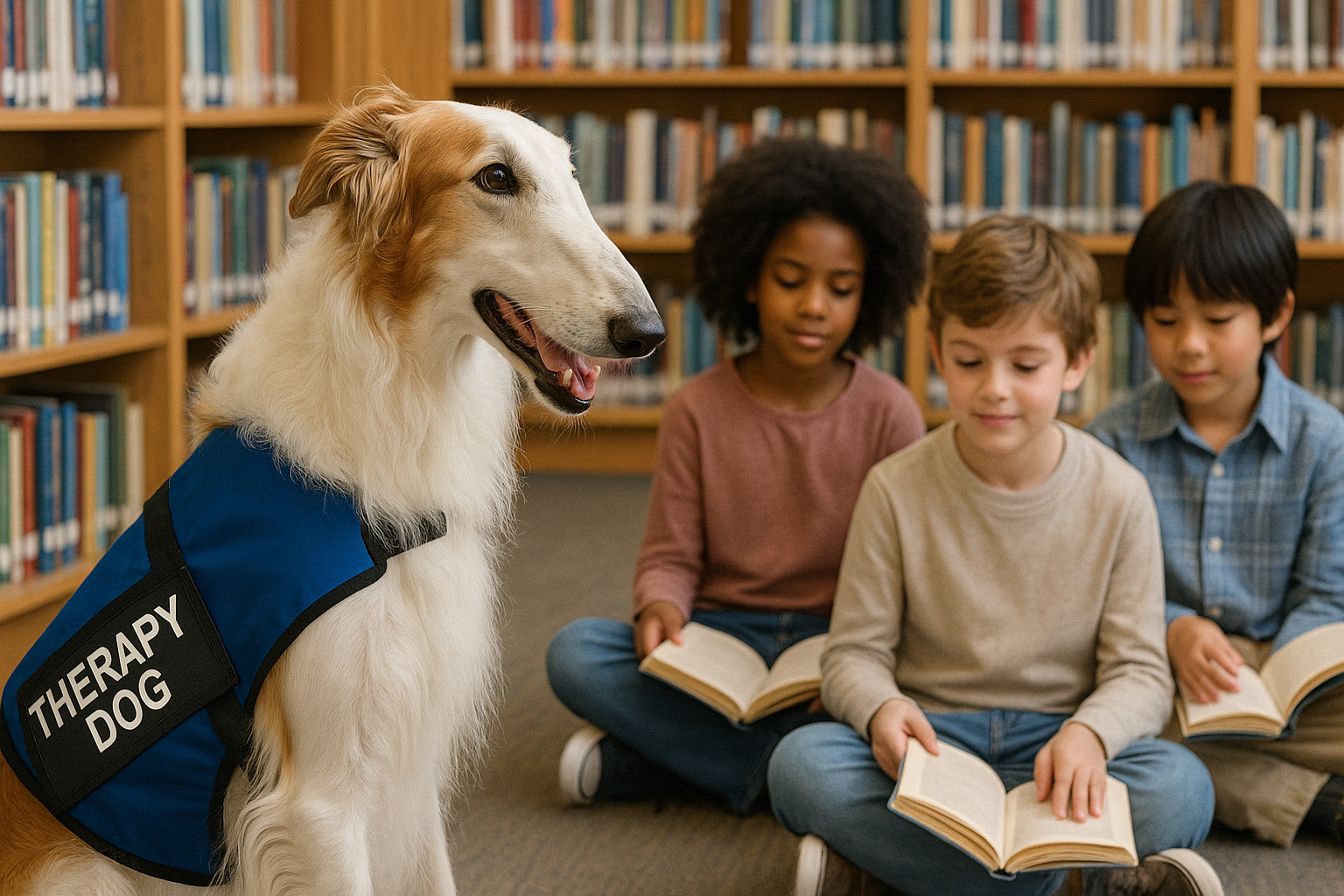
Borzois are distinguished by their slender, long-legged build and graceful movements. Known for their calm and elegant presence, they offer a visual serenity that is often comforting to those they assist in therapeutic sessions.
- Energy Level: Typically low-maintenance in energy, Borzois are content with moderate exercise. This makes them ideal for therapy tasks that do not demand high physical activity, allowing them to remain calm and present in therapeutic settings.
- Calming Presence: Their physical grace adds to their calming presence, naturally setting a peaceful tone during therapy visits.
Personality and Emotional Intelligence
The Borzoi's personality is a blend of independence and affection, crucial traits for a therapy dog. They are known for their quiet dignity, gentle demeanor, and intelligence, facilitating effective therapy work.
- Emotional Sensitivity: Borzois have keen emotional sensitivity, often intuiting the needs of those around them, which enhances their interactions in therapy settings.
- Patient and Gentle: Their patience allows them to engage effectively with individuals of all ages, including children and the elderly, providing a soothing influence.
Environments Where Borzoi Excels
Borzois thrive in environments that require calm and gentle interactions. Their adaptability makes them suitable for various therapy contexts.
- Hospitals and Rehabilitation Centers: Borzois can bring comfort to patients recovering from illnesses or surgeries, offering gentle companionship that aids emotional healing.
- Schools: Their patient nature and gentle demeanor make them excellent partners for children with special needs, helping to create a nurturing educational environment.
Common Therapy Settings
Successful therapy work relies on matching the right dog with the right setting. Borzois excel in environments that benefit from their calm nature and empathetic personality.
- Elder Care Facilities: The Borzoi's serene presence is immensely beneficial in nursing homes and elder care facilities, where they help reduce loneliness and anxiety among residents.
- Therapeutic Group Sessions: They can participate in group therapy settings, providing a calming influence that fosters open communication and emotional support.
Interactions with Different Populations
The Borzoi's ability to read emotional cues makes them adept at interacting with various populations, each with specific therapeutic needs.
Register Any Breed
- Children: Their gentle nature suits working with children, particularly those with emotional or developmental challenges, offering non-judgmental support.
- Elderly: They provide companionship and stimulation for the elderly, who may experience social isolation, improving overall mental health and well-being.
Health and Wellness Factors
Given their potential for therapy work, understanding a Borzoi’s health and wellness needs is crucial for ensuring they can perform effectively and safely in therapy environments.
- Lifespan and Health Issues: Typically living 10-12 years, Borzois are generally healthy but may experience conditions such as bloat or heart problems that require vigilance.
- Grooming Needs: Their silky coats require regular grooming to maintain hygiene, crucial for therapy work in clinical settings to prevent transmission of allergens or infections.
Lifespan and Common Health Issues
With a lifespan of 10-12 years, it's important to be aware of health issues that could impact their ability to perform therapy work.
- Common Health Concerns: Borzois may face health issues such as hip dysplasia or heart conditions. Regular veterinary check-ups are essential to manage these issues proactively.
- Preventative Care: Ensuring a Borzoi's health through regular exercise, a balanced diet, and preventive veterinarian care supports their active engagement in therapy roles.
Maintenance and Care Needs
The Borzoi’s care requirements impact their suitability and effectiveness in therapy roles.
- Grooming: Routine grooming is necessary to keep them comfortable and to ensure their presence is hygienic for therapy environments.
- Exercise Requirements: While not overly demanding, regular walks and moderate playtime help maintain their physical health, contributing to their well-being and effectiveness as therapy dogs.
Training and Certification Readiness
The Borzoi’s intelligence and sensitivity make them good candidates for training in therapy roles. However, their independent nature might require a tailored approach.
- Training Techniques: Positive reinforcement works best, as Borzois respond well to gentle and consistent training methods.
- Certification: Following a formal therapy dog training program is crucial for ensuring they meet all necessary certification requirements and standards for therapy work.
Learning Style and Responsiveness
While Borzois are intelligent, their independent streak presents a unique challenge and opportunity when it comes to training for therapy work.
- Learning Preference: They prefer training sessions that are calm and respectful of their dignified nature.
- Responsiveness: They are more responsive to trainers who understand their gentle nature and respond better to encouragement rather than force.
Handling Social and Emotional Stimuli
A Borzoi’s ability to handle social and emotional stimuli effectively enhances their role in therapy settings.
- Social Intuition: Their ability to read and react to social cues is crucial for adjusting to different therapy scenarios, making them adaptable partners.
- Emotional Stability: Maintaining emotional stability even in stressful environments allows them to provide consistent support.
Strengths, Limitations, and Ideal Roles for Borzoi
As with any therapy dog, understanding the Borzoi’s strengths and limitations ensures they are placed in roles that suit their nature and abilities.
- Strengths: Empathetic, calming, adaptable to various environments, strong presence in hospitals and schools.
- Limitations: May require additional motivation for participation, predisposed to specific health issues.
- Ideal Roles: Companions in elder care facilities, participants in children's programs, hospitals, and other environments requiring gentle presence.
Final Thoughts
The Borzoi's elegant appearance, coupled with its empathetic and gentle nature, positions it as an effective therapy dog across various environments. When properly trained and cared for, Borzois can significantly contribute to emotional healing and comfort in therapeutic settings, underscoring the deep bond between humans and dogs. Their ability to provide non-judgmental support enhances the well-being of countless individuals, making them invaluable companions in therapy work.
Key Takeaways for the Borzoi as a Therapy Dog
- Best suited for: Hospitals, schools, elderly care facilities
- Not ideal for: High-energy, task-specific therapy roles
- Temperament highlights: Empathetic, calm, gentle, adaptable
- Care and health notes: Requires regular grooming, watch for specific health issues
- Therapy environments where they shine: Situations requiring calm presence, companionship, and non-intense physical interaction


-
Public Access Kits
$149.00 Learn more This product has multiple variants. The options may be chosen on the product page -
Quick Ship Premium Vests
$48.00 – $82.00 Learn more This product has multiple variants. The options may be chosen on the product page -
Service Dog Bandana
$39.95 Learn more This product has multiple variants. The options may be chosen on the product page
Custom ID Cards

Custom ID Cards
Custom Service Dog Tags

Official Dog Vests

Smart Vests
Official Public Access Kits
Complete Kits
USA & CANADA Letters

High Quality Bandanas

Service Dog Tags
Smart Tags

ESA TAGS