Bullmastiffs as a Therapy Dog
Register Any Breed
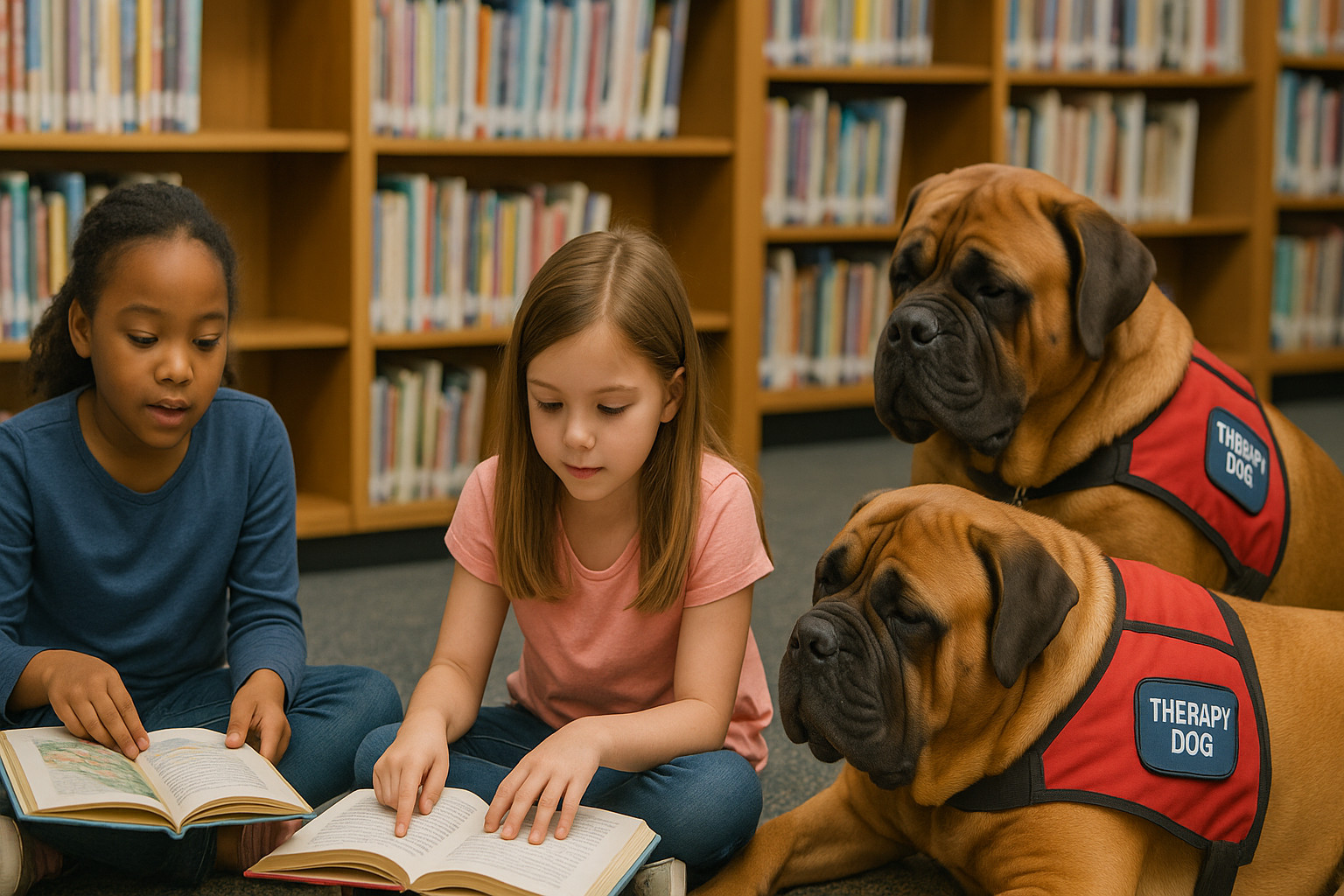
Bullmastiffs, with their gentle and composed demeanor, can make excellent therapy dogs. Their unique blend of physical presence and emotional intelligence allows them to provide comfort and support to those in need, making them a valuable asset to various therapy settings.
Bullmastiffs as a Therapy Dog Overview
Understanding the strengths and vulnerabilities of Bullmastiffs as therapy dogs requires a detailed exploration of their temperament, adaptability, and interaction with diverse groups of people.
Understanding the Therapy Dog Role
Therapy dogs are specifically trained to provide affection, comfort, and support to people in therapeutic settings such as hospitals, schools, and nursing homes. The role requires a calm disposition, strong emotional intelligence, and the ability to adapt to different environments and human needs. Bullmastiffs inherently possess many of these traits, making them potential candidates for therapy work.
Physical Appearance and Energy Level
Bullmastiffs are large, muscular dogs, typically weighing between 100 and 130 pounds. Their size can be both an asset and a limitation in therapy settings.
- Asset: Their sturdy build conveys a sense of strength and reliability, which can be reassuring to those in need of comfort.
- Limitation: Their size may not be suitable for smaller spaces or individuals who might be intimidated by large dogs.
Despite their formidable presence, Bullmastiffs are generally low-energy dogs. Their calm nature allows them to remain serene and composed in bustling environments like hospitals or rehabilitation centers.
Personality and Emotional Intelligence
Bullmastiffs are known for their loyalty and gentle nature. They exhibit a remarkable level of empathy and are sensitive to human emotions, which is crucial for therapy work. Their ability to remain calm under pressure and their serene disposition make them excellent at providing unwavering support and companionship.
Environments Where Bullmastiffs Excels
Bullmastiffs thrive in environments where their stability and calm nature can shine. They are particularly effective in settings like:
Register Any Breed
- Hospitals: Where their soothing presence can help alleviate anxiety or pain.
- Rehabilitation Centers: Where their strength can aid in physical therapy sessions.
- Schools: Offering comfort and support to children with special needs.
Common Therapy Settings
Bullmastiffs can adapt to a variety of therapy settings. Their versatility allows them to cater to different types of therapy work, such as:
- Emotional Support: Offering companionship to individuals dealing with mental health issues.
- Physical Support: Assisting in physical therapy by encouraging mobility and providing a steady presence.
- Educational Support: Helping children improve reading skills by serving as attentive listeners.
Interactions with Different Populations
Bullmastiffs are naturally drawn to people of all ages. They are particularly gentle with children, showcasing patience and understanding. Their docile nature makes them less likely to react negatively in stressful situations, thus providing consistent support.
Health and Wellness Factors
Health and wellness play a significant role in a Bullmastiff's ability to perform therapy work. Proper care ensures they remain fit for therapy roles. Regular veterinary check-ups, a balanced diet, and appropriate exercise are crucial.
Lifespan and Common Health Issues
Bullmastiffs typically have a lifespan of 7-10 years. Common health issues include hip dysplasia and specific cardiac conditions. Regular health screenings are essential to ensure their longevity and readiness for therapy work.
Maintenance and Care Needs
Due to their size, Bullmastiffs require specific care, including:
- Regular Grooming: While their coat is short, regular brushing helps keep their skin healthy.
- Exercise Needs: Moderate exercise is necessary to maintain a healthy weight and prevent joint issues.
- Diet: A balanced diet tailored to their age and activity level ensures optimal health.
Training and Certification Readiness
Training is crucial for Bullmastiffs transitioning into therapy roles. They must acquire specific skills that prepare them for diverse environments and interactions. Their intelligence and eagerness to please facilitate quick learning and adaptability, making them suitable for therapy certification.
Learning Style and Responsiveness
Bullmastiffs respond well to positive reinforcement during training. Their learning style is marked by a willingness to learn and please their trainer. Consistent training sessions that emphasize patience and recognition of achievements enhance their readiness for therapy roles.
Handling Social and Emotional Stimuli
Bullmastiffs are adept at managing social and emotional stimuli due to their calm and composed nature. They are capable of understanding human emotions and reacting appropriately, a valuable trait in therapy settings.
Strengths, Limitations, and Ideal Roles for Bullmastiffs
Bullmastiffs possess several strengths that make them ideal for therapy work:
- Strengths:
- Gentle nature
- Strong emotional intelligence
- Calm in dynamic environments
- Limitations:
- Size may be intimidating to some
- Short lifespan limits prolonged engagements
- Ideal Roles:
- Emotional support for hospital patients
- Companionship in schools and rehabilitation centers
Final Thoughts
Overall, Bullmastiffs possess unique qualities that make them well-suited for therapy work. Their calm demeanor, combined with their emotional intelligence, allows them to excel in various therapeutic settings. However, potential handlers should be aware of care and health considerations to ensure their well-being and effectiveness.
Key Takeaways for the Bullmastiffs as a Therapy Dog
- Best suited for: Hospital emotional support, rehabilitation centers, educational settings with children.
- Not ideal for: Small spaces, individuals intimidated by large dogs.
- Temperament highlights: Gentle, empathetic, calm under pressure.
- Care and health notes: Regular grooming, moderate exercise, frequent health screenings.
- Therapy environments where they shine: Hospitals, rehabilitation centers, schools.


-
Public Access Kits
$149.00 Learn more This product has multiple variants. The options may be chosen on the product page -
Quick Ship Premium Vests
$48.00 – $82.00 Learn more This product has multiple variants. The options may be chosen on the product page -
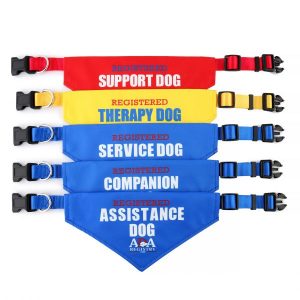
Service Dog Bandana
$39.95 Learn more This product has multiple variants. The options may be chosen on the product page
Custom ID Cards

Custom ID Cards
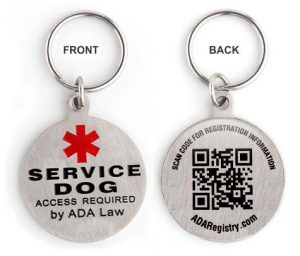
Custom Service Dog Tags
Official Dog Vests

Smart Vests
Official Public Access Kits
Complete Kits
USA & CANADA Letters

High Quality Bandanas
Service Dog Tags
Smart Tags

ESA TAGS