Cavalier King Charles Spaniel as a Therapy Dog
Register Any Breed
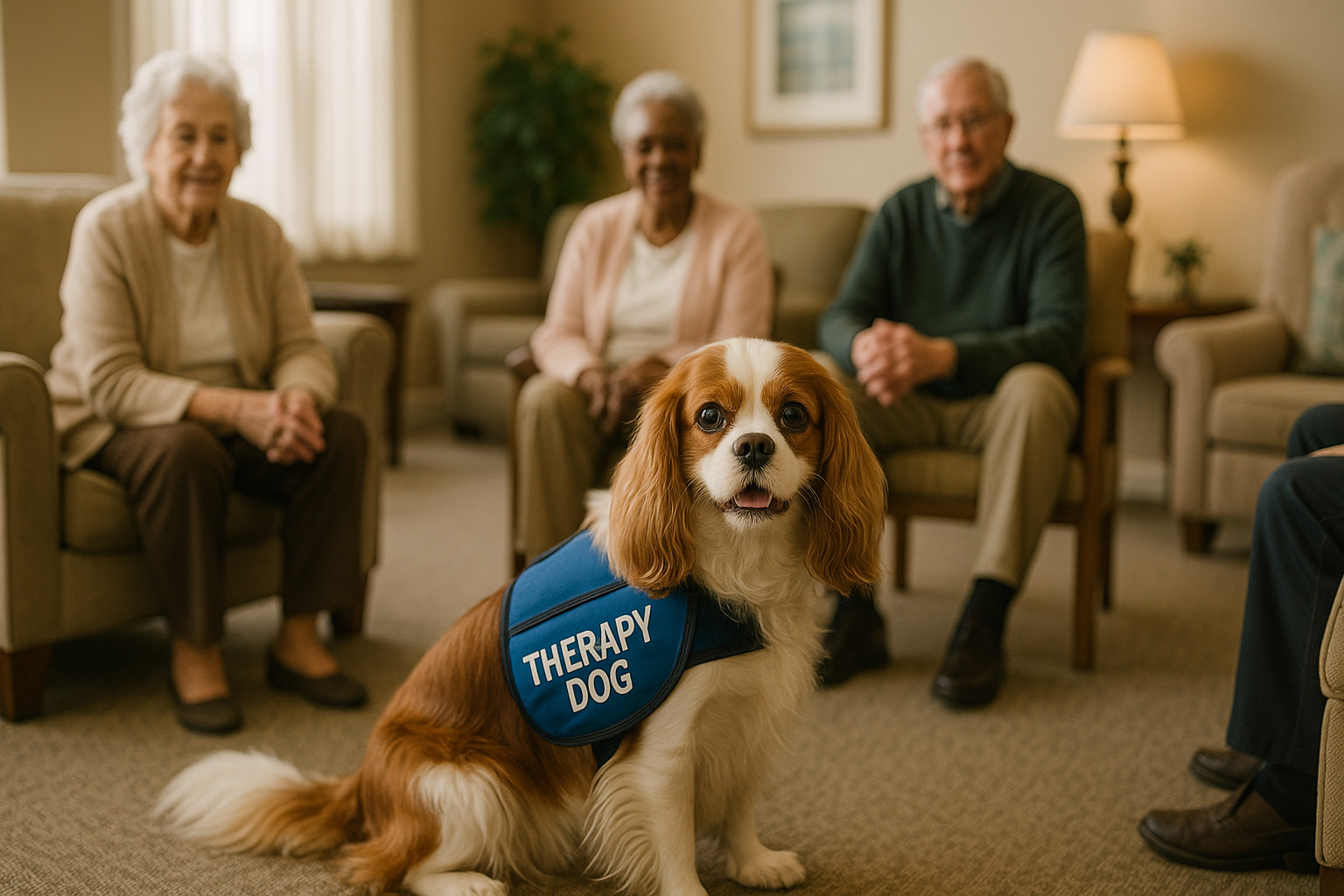
The Cavalier King Charles Spaniel is renowned for its affectionate nature and gentle demeanor, qualities that make it an exceptional therapy dog. In a world where therapy animals significantly contribute to emotional and physical well-being, this breed stands out with its unique capability to comfort and heal. This article delves into the myriad factors that enable the Cavalier King Charles Spaniel to excel in therapy settings, ensuring a comprehensive understanding of its potential as a therapy dog.
Cavalier King Charles Spaniel as a Therapy Dog Overview
Understanding the Therapy Dog Role
Therapy dogs provide emotional support and comfort to individuals in various environments, such as hospitals, nursing homes, schools, and disaster areas. Their role is distinct from that of service dogs, as they typically interact with multiple people, offering companionship and solace.
For the Cavalier King Charles Spaniel, this role capitalizes on its strongest traits—unwavering affection and gentle nature. Therapy work requires dogs to display a calm demeanor and a capacity for empathy, facilitating interactions that promote healing.
- Empathy: A critical component of therapy work, Cavalier King Charles Spaniels are adept at sensing and responding to human emotions.
- Calmness: Their serene temperament is soothing, ideal for high-stress environments.
- Adaptability: Quick to adjust to new people and places, ensuring seamless integration in diverse settings.
Physical Appearance and Energy Level
The Cavalier King Charles Spaniel is a small breed, averaging around 12 to 18 pounds, which makes it well-suited for close human interaction, particularly in constrained settings like hospital rooms. Its soft, silky coat and expressive eyes often evoke feelings of comfort and trust, laying the groundwork for effective therapy sessions.
Despite their small stature, these spaniels are energetic enough to engage lively interactions but possess the calmness required for gentle, prolonged visits.
- Size: Compact size is non-threatening and manageable, encouraging interaction.
- Coat: Regular grooming is essential but also offers therapeutic tactile engagement.
- Energy Level: Balanced energy, providing lively interactions without overwhelming patients.
Personality and Emotional Intelligence
Cavalier King Charles Spaniels boast a level of emotional intelligence that is crucial for therapy work. Their instinctive friendliness and tendency to form strong bonds make them particularly effective in easing anxiety and fostering emotional connections.
- Affectionate Nature: Loved ones, especially children and the elderly, find reassurance in their consistent displays of affection.
- Sensitivity: High sensitivity to human emotions allows them to respond appropriately in varied situations.
- Social Ease: Naturally sociable, they navigate group settings well, offering comfort to multiple individuals in a single visit.
Environments Where Cavalier King Charles Spaniel Excels
These spaniels shine in environments that require a dog to provide comfort and reduce emotional stress. They are particularly effective in spaces where a calm demeanor and gentle nature are beneficial.
Register Any Breed
- Hospitals and Nursing Homes: Their gentle and soothing presence helps alleviate stress and encourage positive interactions.
- Schools: Positive interactions with children help reduce anxiety and foster a love for animals.
- Rehabilitation Centers: Their calm presence aids patients in focus and relaxation during recovery sessions.
Common Therapy Settings
Cavalier King Charles Spaniels are most effective in the following therapy settings:
- Pediatric Wards: Their small size and gentle nature are ideal for interactions with children.
- Elder Care Facilities: Provide companionship to the elderly, alleviating loneliness and promoting mental well-being.
- Disaster Relief Areas: Offer emotional support to individuals facing trauma and stress.
Interactions with Different Populations
Their behavior, emotional intelligence, and adaptability make Cavalier King Charles Spaniels excellent for interacting with various populations.
- Children: Gentle and patient, making them ideal for pediatric therapy.
- Elderly: Offer comfort through non-verbal communication and presence.
- Individuals with Disabilities: Their reliable nature provides a consistent source of support.
Health and Wellness Factors
Health and wellness are pivotal in ensuring therapy dogs can perform their roles consistently. For Cavalier King Charles Spaniels, maintaining good health through proper diet, exercise, and regular veterinary check-ups is crucial to sustaining their work.
Lifespan and Common Health Issues
Cavalier King Charles Spaniels typically enjoy a lifespan of 9 to 14 years. However, some are prone to certain hereditary conditions that could impact their therapy dog capabilities.
- Heart Conditions: Common in the breed; regular health checks are vital to manage potential issues.
- Ear Infections: Routine grooming and ear cleaning reduce the risk of infections that could hinder therapy work.
- Syringomyelia: A condition that requires careful monitoring to ensure comfort.
Maintenance and Care Needs
To maintain their ability to serve as effective therapy dogs, Cavalier King Charles Spaniels require routine care and attention.
- Grooming: Regular grooming sessions keep their coats manageable and encourage tactile engagement during therapy visits.
- Diet and Exercise: Proper nutrition and regular, moderate exercise help maintain optimal health and energy levels.
Training and Certification Readiness
Cavalier King Charles Spaniels are known for their trainability, thanks to their intelligence and desire to please. This facilitates their readiness for therapy dog certification and enhances their effectiveness in such roles.
Learning Style and Responsiveness
- Intelligence: High innate intelligence aids in learning and retaining commands.
- Responsiveness: Eager to please, making them quick learners in therapy training programs.
- Patience: Their patient nature supports sustained, calm interactions during training.
Handling Social and Emotional Stimuli
Cavalier King Charles Spaniels handle social and emotional stimuli with remarkable grace, vital in therapy contexts involving diverse emotional situations.
- Social Awareness: Excellent at reading social cues, adapting behavior accordingly.
- Emotional Stability: Maintain composure amidst emotional environments, offering stability to clients.
Strengths, Limitations, and Ideal Roles for Cavalier King Charles Spaniel
While they excel as therapy dogs, understanding their strengths and limitations is crucial in harnessing their full potential.
- Strengths: Empathic nature, adaptability, and size suit confined environments like hospitals and schools.
- Limitations: Some health predispositions require monitoring to prevent potential hindrances.
- Ideal Roles: Best in roles needing gentle interaction, companionship, and emotional support.
Final Thoughts
Cavalier King Charles Spaniels embody the ideal characteristics of a therapy dog, balancing compassion, emotional intelligence, and adaptability. Their tangible impact on individuals’ mental and emotional health highlights their invaluable role in modern therapy settings.
Key Takeaways for the Cavalier King Charles Spaniel as a Therapy Dog
- Best suited for: Pediatric wards, elder care facilities, schools, and disaster relief settings.
- Not ideal for: High-energy environments requiring physical tasks beyond comfort and emotional support.
- Temperament highlights: Empathic, patient, and exceptionally adaptive.
- Care and health notes: Requires regular grooming, health checks for heart and ear conditions.
- Therapy environments where they shine: Hospitals, rehabilitation centers, schools, and nursing homes.
As a trusted companion and healer, the Cavalier King Charles Spaniel exemplifies the therapeutic power of animals, promising untold benefits for those they serve.


-
Public Access Kits
$149.00 Learn more This product has multiple variants. The options may be chosen on the product page -
Quick Ship Premium Vests
$48.00 – $82.00 Learn more This product has multiple variants. The options may be chosen on the product page -
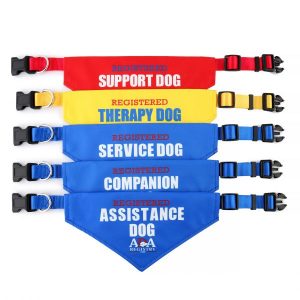
Service Dog Bandana
$39.95 Learn more This product has multiple variants. The options may be chosen on the product page
Custom ID Cards

Custom ID Cards
Custom Service Dog Tags
Official Dog Vests

Smart Vests
Official Public Access Kits
Complete Kits
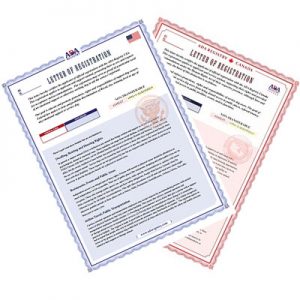
USA & CANADA Letters
High Quality Bandanas
Service Dog Tags
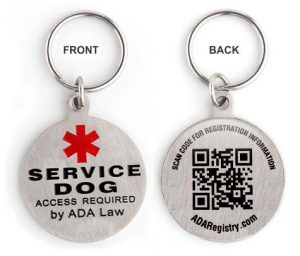
Smart Tags

ESA TAGS