Cesky Terrier as a Therapy Dog

Register Any Breed
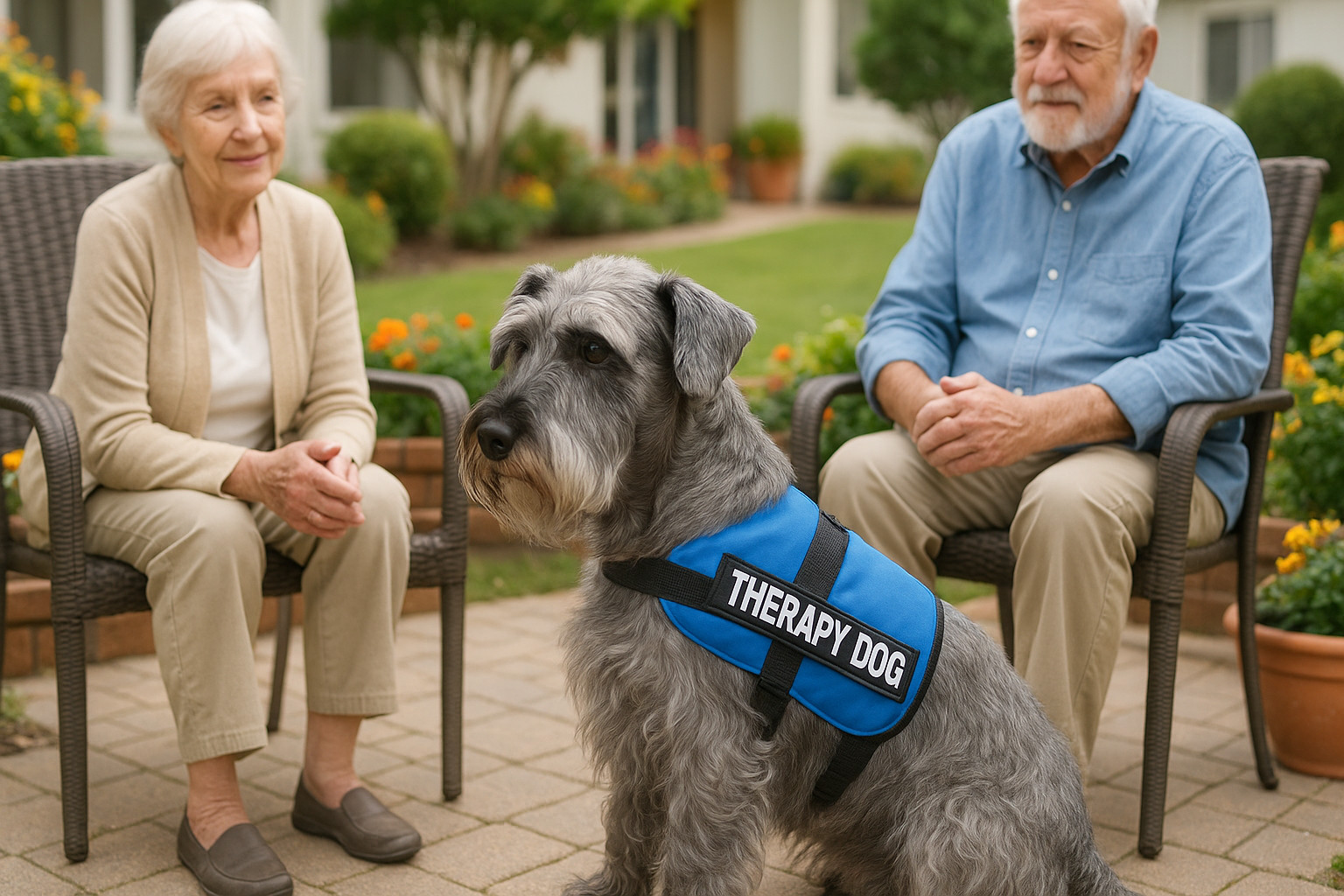
The Cesky Terrier, a charming and lesser-known breed, holds immense potential as a therapy dog. Their balanced temperament, adaptability, and affectionate nature make them a captivating canine companion in therapeutic settings. This article explores the therapy dog potential of the Cesky Terrier, focusing on their suitability in various environments and roles where emotional intelligence and empathy are essential.
Cesky Terrier as a Therapy Dog Overview
Understanding the Therapy Dog Role
A therapy dog provides comfort and emotional support in settings like hospitals, schools, and nursing homes. Therapy dogs facilitate healing and improve psychological well-being with their gentle presence and empathetic interactions. Unlike service dogs, whose roles demand specific task-oriented training, therapy dogs excel in providing emotional connections. The Cesky Terrier's natural propensity for closeness and understanding makes them ideal candidates for these roles, often bringing joy and relief to those in need.
Physical Appearance and Energy Level
The Cesky Terrier is a small to medium-sized dog characterized by a muscular build, long body, and disproportionately short legs. Despite their size, they possess a manageable energy level, which is suitable for therapy environments where moderate activity is beneficial. Their soft, fine coat requires regular grooming to maintain a pleasant appearance and prevent allergens, a consideration crucial for those involving in frequent human interactions.
Personality and Emotional Intelligence
Cesky Terriers are known for their warm, affectionate nature and intelligence. They exhibit a calm demeanor and are naturally drawn to human interaction, showing high levels of empathy and adaptability. This breed thrives on companionship and has a remarkable ability to sense human emotions, characteristics that are vital for any therapy dog. Their willingness to be handled and petted makes them appealing to therapy recipients, fostering therapeutic bonds and facilitating emotional wellbeing.
Environments Where Cesky Terrier Excels
Cesky Terriers perform exceptionally well in diverse therapy settings. Their manageable size and gentle disposition make them adaptable to environments that may be bustling and busy, such as schools or rehabilitation centers. They are equally comfortable in quieter settings like hospitals or hospices, where a calm presence is required. Their ability to navigate these spaces without causing disruption underscores their versatility as therapy animals.
Common Therapy Settings
- Hospitals: Cesky Terriers offer comfort to patients by simply being present, easing anxiety and boosting morale.
- Schools: They interact exceptionally with children, providing stress relief and emotional support, particularly in special education settings.
- Nursing Homes: Their gentle and patient nature makes them ideal for elderly residents, offering companionship that enhances quality of life.
- Rehabilitation Centers: Their adaptability helps residents in emotionally challenging situations, serving as quiet but effective motivators.
Interactions with Different Populations
Cesky Terriers excel in therapy settings due to their intuitive nature and ability to connect with people of all ages. With children, they exhibit a playful yet calm demeanor, encouraging engagement without overwhelming them. Adults and the elderly benefit from their companionship, as their presence often evokes a sense of calm and reassurance. Those with special needs appreciate their patience and tolerance, offering stability and support in each interaction.
Health and Wellness Factors
One crucial aspect for therapy dogs is their physical health. The Cesky Terrier typically has a sturdy constitution but, like all breeds, is prone to certain health issues. Regular veterinary care and preventative measures help maintain their health, minimizing disruptions to therapy engagements. Their hypoallergenic coat is an added advantage in healthcare settings where allergy concerns might limit access to other breeds.
Register Any Breed
Lifespan and Common Health Issues
Cesky Terriers generally enjoy a lifespan of around 12 to 15 years. However, they may be susceptible to certain genetic conditions such as Scottie Cramp or lens luxation. Awareness and management of these issues through regular health screenings are essential in maintaining their role as therapy animals. A healthy, well-cared-for dog can continually provide therapeutic support without interruption due to illness.
Maintenance and Care Needs
Grooming is an integral part of maintaining the Cesky Terrier's health and appearance. Their fine coat requires routine trimming and cleaning to ensure they are presentable and comfortable during therapy sessions. Attention to ears, teeth, and nails keeps them in top condition, promoting their overall wellbeing and readiness to support therapeutic engagements.
Training and Certification Readiness
Cesky Terriers are notably intelligent and eager to please, making them particularly receptive to training. Early socialization and consistent training sessions align well with their learning style, fostering skills essential for therapy work. Successful completion of certification programs, which assess temperament and obedience, signifies their readiness to serve as therapy companions.
Learning Style and Responsiveness
This breed is highly responsive to positive reinforcement techniques, thriving on praise and affection. Their ability to quickly learn and adapt to new environments is remarkable, demonstrating a willingness to engage with tasks and routines that support their role as therapy dogs. Consistent, patience-focused training enhances their natural strengths and ensures behavioral stability.
Handling Social and Emotional Stimuli
Cesky Terriers possess an intuitive sensitivity to emotional stimuli, allowing them to provide genuine comfort during therapy interactions. They respond well to social cues and exhibit calm assurance, making them reliable confidants in times of stress. Their capacity to handle various emotional environments with grace underscores their suitability for therapeutic applications.
Strengths, Limitations, and Ideal Roles for Cesky Terrier
Strengths:
- High levels of empathy and emotional intelligence
- Versatile in diverse therapeutic settings
- Gentle and affectionate nature, promoting strong bonds
Limitations:
- Requires regular grooming and health checks
- Appropriate management needed for potential breed-specific health issues
Ideal Roles:
- Hospital visits for patient morale and recovery support
- Engagement with children in educational environments
- Companionship in elderly care and specialized therapy programs
Final Thoughts
The Cesky Terrier showcases numerous traits that make them an exemplary candidate for therapy dog work. Their loving temperament, intelligence, and adaptability contribute significantly to their efficacy in therapeutic environments. While attention to grooming and health management is necessary, the rewards of having such a compassionate and intuitive therapy partner are profound. As companions in healing, Cesky Terriers demonstrate the incredible impact that dogs can have on human wellbeing.
Key Takeaways for the Cesky Terrier as a Therapy Dog
- Best suited for: Hospitals, schools, nursing homes, and rehabilitation centers
- Not ideal for: Environments where extensive vocal abilities or high-energy activities are required
- Temperament highlights: Affectionate, empathetic, intuitive
- Care and health notes: Requires regular grooming and health checkups
- Therapy environments where they shine: Interactions with children, support for the elderly, and stress reduction settings


-
Public Access Kits
$149.00 Learn more This product has multiple variants. The options may be chosen on the product page -
Quick Ship Premium Vests
$48.00 – $82.00 Learn more This product has multiple variants. The options may be chosen on the product page -
Service Dog Bandana
$39.95 Learn more This product has multiple variants. The options may be chosen on the product page

Custom ID Cards

Custom ID Cards
Custom Service Dog Tags
Official Dog Vests
Smart Vests
Official Public Access Kits
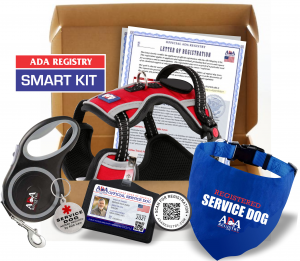
Complete Kits
USA & CANADA Letters
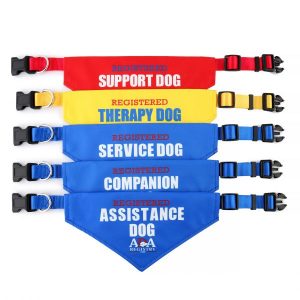
High Quality Bandanas
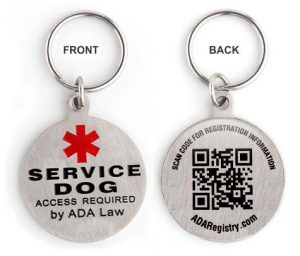
Service Dog Tags
Smart Tags

ESA TAGS