Chinese Shar-Pei as a Therapy Dog
Register Any Breed
Chinese Shar-Pei as a Therapy Dog Overview
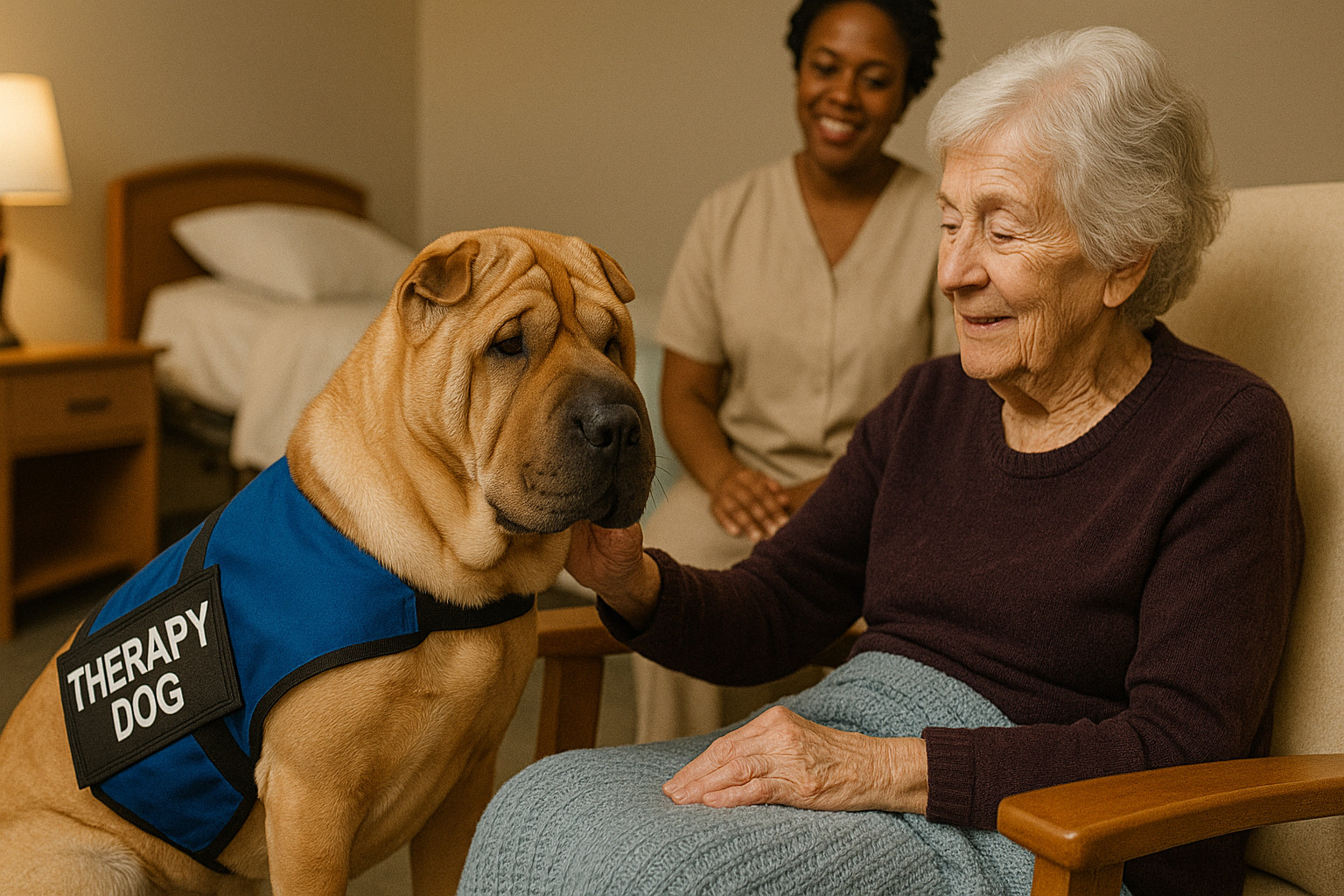
The Chinese Shar-Pei, distinguished by its wrinkled skin and loyal demeanor, is a unique breed that can excel immensely in the realm of therapy work. Originally bred for various roles in China, these dogs have displayed an impressive adaptability in taking on new challenges, including providing emotional comfort in therapeutic environments. Below, we delve into the essential aspects that contribute to the Shar-Pei’s capacity to thrive as a therapy dog, exploring their temperament, physical attributes, and the environments where they can be most effective.
Understanding the Therapy Dog Role
Therapy dogs offer emotional support and therapeutic benefits across various settings such as hospitals, schools, and rehabilitation centers. Unlike service dogs—which are trained to perform specific tasks for individuals with disabilities—therapy dogs interact with multiple people to promote emotional well-being. Key attributes of effective therapy dogs include empathy, calmness, and adaptability, qualities that the Chinese Shar-Pei embodies in its day-to-day behavior.
Physical Appearance and Energy Level
The Chinese Shar-Pei is medium-sized, with a characteristic wrinkled appearance and a calm, laid-back demeanor. These dogs generally have moderate energy levels, which make them suitable for environments where a soothing presence is desired rather than high-energy play.
- Coat: Short and bristly, requiring minimal grooming but frequent skin care due to their trademark folds.
- Energy Level: Not overly excitable, favoring calm interactions and the ability to remain composed in different settings.
Their physical presence adds a comforting aura to therapy settings, as their unique appearance often fosters curiosity and engagement, providing an ice-breaker for therapy sessions.
Personality and Emotional Intelligence
Shar-Peis are known for their loyalty and devotion to their handlers, demonstrating a high degree of empathy. This breed tends to be naturally inquisitive, which helps them understand and respond subtly to human emotions—a critical skill for therapy work. Their sensitivity to emotional nuances means they often provide comfort to individuals facing stress, anxiety, or other emotional challenges.
- Empathy: Keen observers of human emotion, able to adapt their behavior in response to subtle cues.
- Calmness: Maintain a serene demeanor, which can be grounding for patients experiencing emotional turmoil.
Environments Where Chinese Shar-Pei Excels
Thanks to their calm and patient nature, Chinese Shar-Peis shine in environments where tranquility is crucial. These include:
- Hospitals and Care Facilities: Providing comfort without additional stress.
- Schools: Helping children with learning disabilities or emotional disturbances.
- Nursing Homes: Offering companionship to elderly residents in search of a gentle presence.
Their adaptability ensures they can handle different types of environments without becoming overwhelmed.
Register Any Breed
Common Therapy Settings
The structured environments of hospitals and rehabilitation centers suit the Chinese Shar-Pei well, allowing them to draw on their natural empathy and gentle presence to provide comfort to patients. These settings often involve:
- Patient Visitation: Interaction with individuals recovering from illness or surgery.
- Group Therapy Sessions: Providing a calming influence in collective therapeutic environments.
- Pet Therapy Programs: Engaging with various social groups to facilitate emotional healing.
Interactions with Different Populations
Shar-Peis interact well with diverse populations. Their calm demeanor makes them ideal for soothing patients of all ages, from young children to seniors, providing a reassuring presence. They excel in:
- Children: Offering gentle companionship and reducing anxiety or fear.
- The Elderly: Assisting in memory activities and providing tactile comfort through petting.
- Individuals with Emotional or Psychological Challenges: Enhancing emotional security and boosting morale.
Considerations must be made for individuals with allergies or fears due to the dog’s distinct appearance and skin characteristics.
Health and Wellness Factors
Ensuring the wellness of a Shar-Pei is crucial for uninterrupted therapy work. They must maintain good health to effectively serve as therapy dogs.
- Diet: Balanced nutrition aids in maintaining healthy skin and coat.
- Exercise: Regular but moderate activity to support joint health and prevent obesity.
Their healthcare regimen should account for their specific needs related to skin and ears to prevent issues that could hinder therapy services.
Lifespan and Common Health Issues
The average lifespan of a Chinese Shar-Pei is around 8-12 years. However, potential health concerns can impact their role as therapy dogs if not managed properly.
- Common Conditions: Hip dysplasia, skin infections, and eye problems.
- Preventive Care: Routine vet check-ups and proactive measures against known breed-related ailments.
Monitoring their health closely ensures their continued ability to serve as reliable therapy animals.
Maintenance and Care Needs
Proper grooming and care of the Chinese Shar-Pei are critical, given their propensity for skin infections within the folds.
- Grooming: Regular cleaning of skin folds and ears reduces infection risks.
- Coat Care: Weekly brushing and periodic bathing help maintain hygiene and comfort.
These measures ensure the comfort of both the dog and those they assist in therapeutic settings.
Training and Certification Readiness
Training a Shar-Pei for therapy certification involves capitalizing on their natural tendencies toward empathy and calmness.
- Training Focus: Socialization, obedience, and responsiveness to handler commands.
- Certification Preparation: Involves acclimatization to diverse environments and stimuli to ensure reliability and poise.
Patience and consistent training methodologies complement their inherent desire to please their handlers.
Learning Style and Responsiveness
Chinese Shar-Peis exhibit a distinct learning style characterized by their independent intelligence. They respond well to positive reinforcement strategies.
- Learning Style: Observant learners that benefit from repetition and gentle guidance.
- Training Techniques: Reward-based methods that align with their desire for companionship and approval.
Their responsiveness is often enhanced when instructions are delivered with a calm yet assertive demeanor.
Handling Social and Emotional Stimuli
Given their sensitivity, Shar-Peis effectively manage social interactions and emotional stimuli, making adjustments based on the patient’s needs.
- Social Awareness: Keenly aware of changes in human mood or behavior.
- Emotional Resilience: Their stable nature allows them to remain composed under varying emotional demands.
This sensitivity enables them to adapt to different individuals and optimize their therapeutic impact.
Strengths, Limitations, and Ideal Roles for Chinese Shar-Pei
The Chinese Shar-Pei is particularly well-suited to environments where steady calmness and interpersonal sensitivity are advantageous. However, their independent nature and specific grooming requirements must be acknowledged.
- Strengths: Natural empathy, moderate energy, adaptability, perceptiveness.
- Limitations: Potential for stubbornness, specific health care needs, socialization requirements.
- Ideal Roles: Therapeutic settings where a low-energy, calming presence is desired.
Recognizing these factors allows for the optimal deployment of Shar-Peis in therapeutic roles that match their strengths.
Final Thoughts
In conclusion, the Chinese Shar-Pei possesses qualities that make it a viable candidate for therapy work across diverse environments. Its combination of empathy, composure, and adaptability allows it to interact meaningfully with a broad range of individuals in need of emotional support. Proper training and care can maximize its therapeutic impact, ensuring that this unique breed continues to aid in emotional healing and companionship.
Key Takeaways for the Chinese Shar-Pei as a Therapy Dog
- Best suited for: Hospitals, schools, and nursing homes where calmness is crucial.
- Not ideal for: Extremely high energy environments or those requiring active play.
- Temperament highlights: Loyal, empathetic, observant, and composed.
- Care and health notes: Regular skin care and grooming, attention to potential health issues.
- Therapy environments where they shine: Patient visitations, group therapy, memory care sessions.


-
Public Access Kits
$149.00 Learn more This product has multiple variants. The options may be chosen on the product page -
Quick Ship Premium Vests
$48.00 – $82.00 Learn more This product has multiple variants. The options may be chosen on the product page -
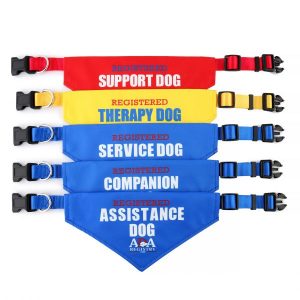
Service Dog Bandana
$39.95 Learn more This product has multiple variants. The options may be chosen on the product page
Custom ID Cards

Custom ID Cards
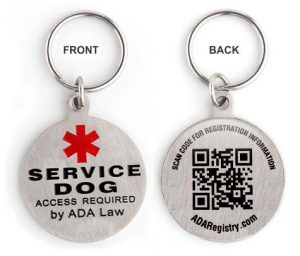
Custom Service Dog Tags
Official Dog Vests

Smart Vests
Official Public Access Kits
Complete Kits
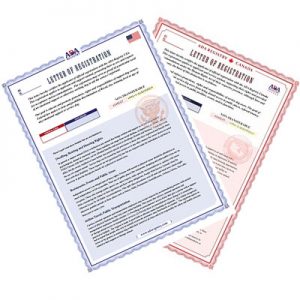
USA & CANADA Letters
High Quality Bandanas
Service Dog Tags
Smart Tags

ESA TAGS