English Setter as a Therapy Dog
Register Any Breed
English Setter as a Therapy Dog Overview
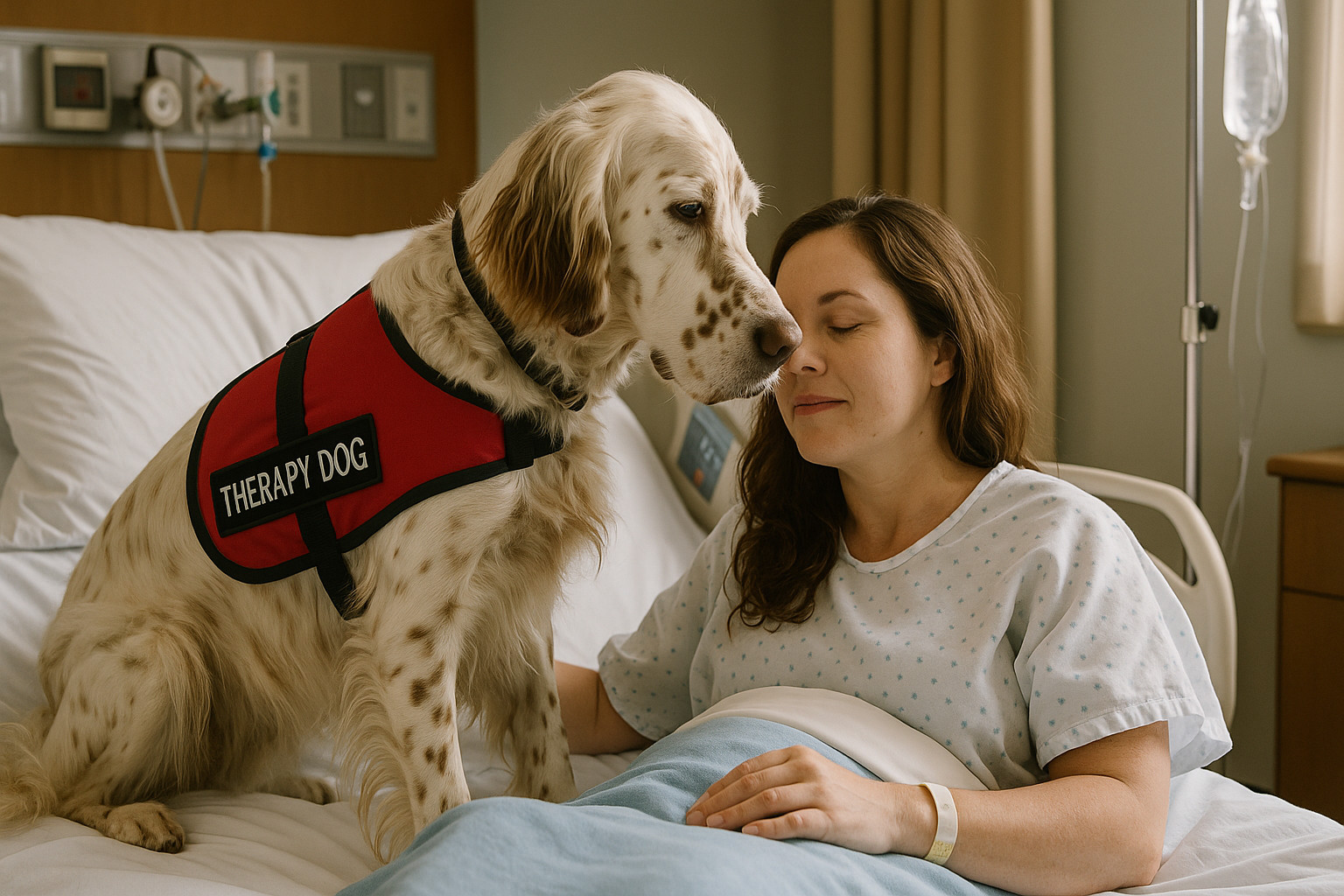
The English Setter is an elegant breed known for its grace, alertness, and affectionate demeanor. These qualities make them potential candidates for therapy work, where their role is to provide emotional support, comfort, and a sense of companionship to those in need. This article delves into various facets of the English Setter’s suitability for therapy work, focusing on temperament, environmental adaptability, training, and specific therapy settings.
Understanding the Therapy Dog Role
Therapy dogs are trained to offer emotional support through their presence and gentle interactions. Their primary purpose is to uplift spirits and provide comfort to individuals in hospitals, schools, and various therapeutic settings. An effective therapy dog must display a calm temperament, exhibit patience, and respond well to various commands.
These dogs do not perform tasks like service dogs but operate in a manner that alleviates stress and anxiety, making the presence of the English Setter valuable due to its inherent friendly nature and warmth.
Physical Appearance and Energy Level
The English Setter’s athletic build and moderate size can complement therapy environments. Typically weighing between 50 to 70 pounds, their physical presence is substantial enough to be reassuring without being intimidating. Their energy level is moderate, offering a balance that ensures they are neither excessively excitable nor lethargic during visits.
- Calm and Controlled Movements: Their elegant gait and controlled energy encourage trust and engagement from those they visit.
- Gentle Demeanor: Their physicality reflects a gentility that is crucial in therapeutic settings where fragility may be present, such as around children or the elderly.
Personality and Emotional Intelligence
English Setters possess a high level of emotional intelligence, scored through their ability to sense human emotions and react appropriately. Their temperament is typically gentle and friendly, allowing them to connect with people from various emotional backgrounds.
- Empathy: Renowned for their intuitive nature, English Setters can provide comfort through unspoken communication, adeptly perceiving and responding to human emotional states.
- Adaptability: Their mellow personality accommodates both high-energy environments and more serene settings, making them effective across a spectrum of therapy conditions.
Environments Where English Setter Excels
English Setters can perform remarkably well in assorted environments, owing to their adaptable and social nature. They thrive in settings where interaction and engagement are the focus, such as:
- Hospitals and Nursing Homes: They can offer warmth and companionship to patients and residents, lifting spirits with their presence.
- Schools and Development Centers: Particularly beneficial in settings with children, they aid in confidence-building activities and behavioral therapy.
- Rehabilitation Centers: Their calm nature supports those recovering from trauma or substance abuse by offering consistent emotional support.
Common Therapy Settings
The adaptability of the English Setter ensures they can integrate well into numerous therapeutic settings, including:
Register Any Breed
- Group Therapy Sessions: Their ability to interact with multiple individuals without becoming overwhelmed.
- Individual Therapy Visits: Boosting personal emotional wellbeing through tailored one-on-one attention.
- Assisted-living Facilities: Providing comfort and joy to residents through regular, low-intensity visits.
Interactions with Different Populations
Due to their empathetic nature, English Setters are equipped to handle interactions with various populations:
- Children: Exhibiting patience and gentleness, making them ideal for child therapy settings.
- Elderly Individuals: Their affectionate demeanor brings a sense of purpose and joy to those in nursing homes.
- Individuals with Anxiety or PTSD: They provide a calming influence, which helps in soothing anxiety and fostering a sense of security.
Health and Wellness Factors
In preparation for therapy work, the health and wellness of the English Setter must be a priority:
- Routine Vet Visits: Ensure they are in optimal health and free from infectious diseases.
- Diet and Exercise: A balanced diet and routine exercise schedule help maintain their physical health and energy levels.
Lifespan and Common Health Issues
English Setters typically have a lifespan of 10-12 years. Potential health issues could impact therapy readiness, such as:
- Hip Dysplasia: Regular assessments ensure mobility concerns are managed, minimizing discomfort during visits.
- Deafness and Thyroid Disorders: Common among the breed and require attention to avoid any implications on therapy performance.
Maintenance and Care Needs
Maintaining an English Setter’s grooming and care routine is crucial for their comfort and hygiene in therapy settings:
- Grooming Requirements: Regular brushing and grooming to keep their coat clean and reduce allergens.
- Hygiene Standards: Bathing and nail care are essential to maintain health standards during interactions.
Training and Certification Readiness
Their intelligence and eagerness to please make English Setters relatively easy to train for therapy roles:
- Responsive Training: They are quick learners and thrive under positive reinforcement training methods.
- Certification Courses: Participating in certified therapy dog programs enhances their readiness for therapeutic roles.
Learning Style and Responsiveness
English Setters enjoy mental challenges and respond well to consistent training practices:
- Positive Reinforcement: Respond better to gentle commands and rewards, increasing their willingness to cooperate.
- Adaptability to Commands: Their eagerness aids in learning and executing therapy-specific commands effectively.
Handling Social and Emotional Stimuli
The social temperament of English Setters allows for positive handling of various stimuli:
- Calm Under Stress: Maintains composure in stressed environments, offering reassurance and comfort.
- Expressiveness: Their ability to express joy and calmness helps in alleviating tension for patients during therapy sessions.
Strengths, Limitations, and Ideal Roles for English Setter
While English Setters possess many traits conducive to therapy work, it is important to understand their strengths and limitations:
- Strengths:
- Empathetic and Adaptable
- Gentle and Patient
- Intelligent and Trainable
- Limitations:
- Requires Regular Grooming
- Potential Health Issues
- Ideal Roles:
- Emotional Comfort and Companion in Healthcare Settings
- Engaging in Child Therapy Programs
- Supporting Patients in Rehabilitation Facilities
Final Thoughts
The English Setter’s blend of intelligence, empathy, and calm demeanor makes them a well-suited breed for therapy work. Their ability to provide calming and compassionate interactions renders them an asset in various therapeutic environments.
Key Takeaways for the English Setter as a Therapy Dog
- Best suited for: Hospitals, schools, rehabilitation centers, and individual therapy sessions.
- Not ideal for: High-stress environments with excessive noise or rapid changes.
- Temperament highlights: Affectionate, adaptable, and emotionally intelligent.
- Care and health notes: Requires regular grooming and wellness checks to ensure readiness for therapy.
- Therapy environments where they shine: Assisted-living facilities, child-development programs, and hospitals.


-
Public Access Kits
$149.00 Learn more This product has multiple variants. The options may be chosen on the product page -
Quick Ship Premium Vests
$48.00 – $82.00 Learn more This product has multiple variants. The options may be chosen on the product page -
Service Dog Bandana
$39.95 Learn more This product has multiple variants. The options may be chosen on the product page
Custom ID Cards

Custom ID Cards
Custom Service Dog Tags

Official Dog Vests

Smart Vests
Official Public Access Kits
Complete Kits
USA & CANADA Letters
High Quality Bandanas

Service Dog Tags

Smart Tags

ESA TAGS