Entlebucher Mountain Dog as a Therapy Dog
Register Any Breed
Entlebucher Mountain Dog as a Therapy Dog Overview
The Entlebucher Mountain Dog, often affectionately called the "Ente" by enthusiasts, is one of the four Swiss mountain dog breeds. Though traditionally known for their herding and working abilities, the Entlebucher Mountain Dog is gaining popularity in the realm of animal-assisted therapy. While this breed may not be the first that comes to mind when considering therapy dogs, their unique blend of temperament and intelligence makes them a valuable asset in therapeutic settings.
Understanding the Therapy Dog Role
Therapy dogs serve a critical function in various environments, providing emotional support, comfort, and companionship to individuals in need. Unlike service dogs or working dogs, therapy dogs collaborate with their handlers to offer presence and attention during therapeutic sessions. The success of a therapy dog often depends on its temperament, adaptability, and ability to respond appropriately to different stimuli. The Entlebucher Mountain Dog stands out due to its robust emotional intelligence, offered in a package of loyalty and dependability.
Physical Appearance and Energy Level
The Entlebucher Mountain Dog is a medium-sized breed with a well-muscled and balanced body, exhibiting a vibrant tri-color coat. Their active nature requires them to have regular exercise, which can be an asset in therapy settings that benefit from engagement and movement, such as rehabilitation centers. Despite their energetic disposition, Entles are known for their ability to moderate their behavior, displaying calmness and serenity when required by therapy scenarios, facilitating trust and comfort among clients.
Personality and Emotional Intelligence
The Entlebucher's personality is characterized by lively intelligence, loyalty, and strong protective instincts. These traits underpin their effectiveness in therapy work, where they need to be attentive, perceptive, and responsive to human emotions. They often showcase a notable degree of empathy, adapting their demeanor based on the emotional state of their human companions. Their emotional intelligence allows them to connect with individuals, fostering a therapeutic bond essential for effective outcomes.
Environments Where Entlebucher Mountain Dog Excels
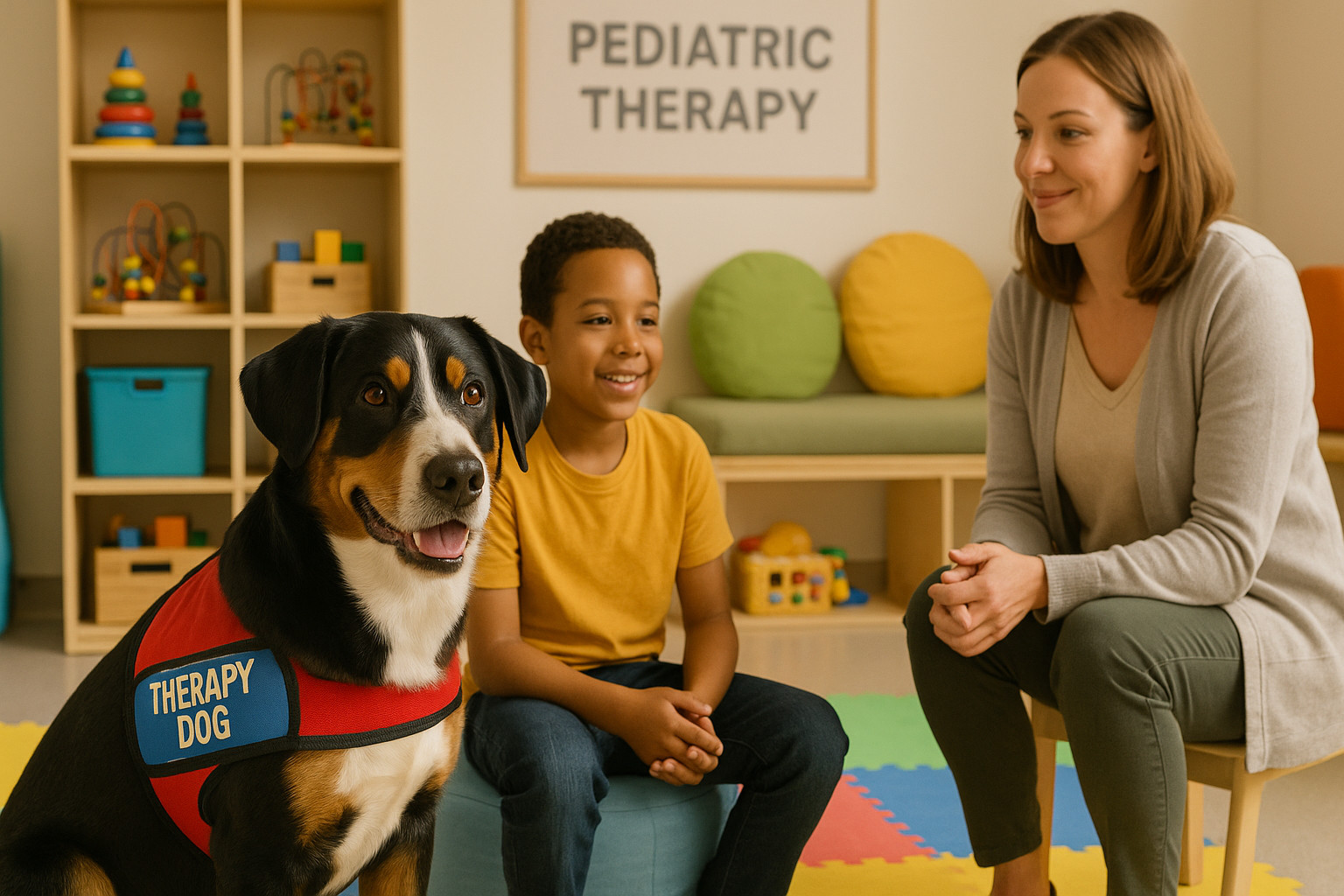
Entlebuchers thrive in environments where their presence can be both calming and invigorating. They excel in settings such as schools or pediatric units where interactive play and engagement are fundamental. Their energy and playful nature encourage movement and participation, promoting positive psychological outcomes. Furthermore, their calmness makes them suitable for hospitals and elderly care facilities, where a more subdued presence is appreciated.
Common Therapy Settings
- Hospitals and Clinics: Their soothing presence can help reduce anxiety and stress in patients.
- Schools: Their playful and engaging nature fosters a fun and educational atmosphere for children.
- Rehabilitation Centers: Their physical prowess encourages patients to participate in therapeutic exercises and activities.
- Elderly Care Facilities: They offer companionship and gentle stimulation, complementing the emotional and cognitive needs of seniors.
Interactions with Different Populations
The Entlebucher Mountain Dog's adaptability allows them to connect with a diverse range of populations. They are particularly suited for interactions with children due to their patience and gentle demeanor. Their ability to intuitively read emotional cues enables them to offer comfort to individuals experiencing loneliness or distress. In adult and elderly populations, their cheerful nature and steady presence can alleviate feelings of isolation and depression, significantly enhancing quality of life.
Health and Wellness Factors
Ensuring the health and wellness of therapy dogs is crucial for their effectiveness. Entlebuchers generally have good health but are prone to specific genetic issues. Routine veterinary care, combined with a balanced diet and regular exercise, is essential to maintain their optimal wellbeing. Keeping their inoculations up to date and monitoring common ailments helps ensure they can visit different therapy settings safely and without posing health risks to vulnerable individuals.
Register Any Breed
Lifespan and Common Health Issues
Entlebucher Mountain Dogs typically have a lifespan of 10 to 13 years. While generally healthy, they are susceptible to hip dysplasia and progressive retinal atrophy. Regular screenings and preventive care play a crucial role in maintaining their health. These health considerations must be factored in when planning therapy visits, ensuring the dog is comfortable and not at risk for pain or stress.
Maintenance and Care Needs
The breed’s short, dense coat requires minimal grooming, making them low-maintenance in terms of grooming needs. Regular brushing is advisable to keep their coat healthy and free of loose hair. This easy-care coat is beneficial in therapy settings where cleanliness and hygiene must be maintained. Furthermore, consistent care of their physical and mental stimulation through walks and interactive play is vital to keep their energy levels balanced.
Training and Certification Readiness
Entlebuchers are known for their intelligence and eagerness to please, making them highly trainable. However, they possess a strong will and may require patient, consistent training methods. Positive reinforcement is effective in encouraging their best behaviors. Their ability to focus and respond well to structured training is advantageous when pursuing therapy dog certification, a process that includes obedience, socialization, and handling a variety of social and emotional stimuli.
Learning Style and Responsiveness
Their keen intelligence allows Entlebuchers to learn quickly and adapt their behaviors in real-time. They thrive under clear, consistent instructions and respond exceptionally well to reward-based training systems. Their willingness to learn and adapt makes them particularly suitable for therapy roles that require diverse interactions and the ability to handle unexpected situations calmly and effectively.
Handling Social and Emotional Stimuli
Entlebuchers are naturally attuned to human emotions, which is a crucial trait for therapy dogs. They can navigate social settings with grace, managing both bustling environments and intimate interactions with ease. Their sensitivity makes them adept at recognizing and responding to emotional cues, providing solace to those in distress and enriching therapeutic interactions with meaningful engagement.
Strengths, Limitations, and Ideal Roles for Entlebucher Mountain Dog
Strengths:
- Robust emotional intelligence to sense and react to human emotions.
- High energy matched with a capacity for calmness spreading comfort and relaxation.
- Adaptable across various settings, from hospitals to schools.
- Loyal and trustworthy, strengthening bonds with therapy clients.
Limitations:
- Requires consistent mental and physical stimulation, which may not be feasible in all therapy environments.
- Needs experienced handlers due to their strong-willed nature and high energy.
Ideal Roles:
- Engaging with children in educational and playful settings.
- Offering calm companionship to the elderly or patients in recuperation.
Final Thoughts
The Entlebucher Mountain Dog, with its rich combination of vitality, intelligence, and empathy, has the potential to excel as a therapy dog. While there are challenges inherent in their training and management, their unparalleled ability to connect with people on an emotional level makes them a valuable partner in therapeutic settings. For those prepared to invest in their care and training, the rewards of having an Entlebucher as a therapy companion can be profound, making a significant impact on the lives of those they support.
Key Takeaways for the Entlebucher Mountain Dog as a Therapy Dog
- Best suited for: Schools, rehabilitation centers, and environments requiring active engagement.
- Not ideal for: Homes or therapeutic settings unable to provide sufficient exercise and mental stimulation.
- Temperament highlights: Empathetic, intelligent, loyal, adaptable, and energetic.
- Care and health notes: Regular exercise, preventative health screenings, minimal grooming.
- Therapy environments where they shine: Hospitals, elderly care facilities, and pediatric units.


-
Public Access Kits
$149.00 Learn more This product has multiple variants. The options may be chosen on the product page -
Quick Ship Premium Vests
$48.00 – $82.00 Learn more This product has multiple variants. The options may be chosen on the product page -
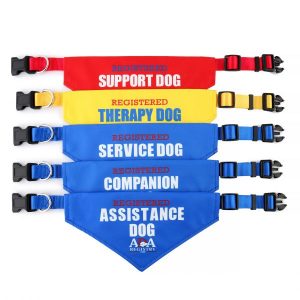
Service Dog Bandana
$39.95 Learn more This product has multiple variants. The options may be chosen on the product page
Custom ID Cards

Custom ID Cards
Custom Service Dog Tags
Official Dog Vests

Smart Vests
Official Public Access Kits
Complete Kits
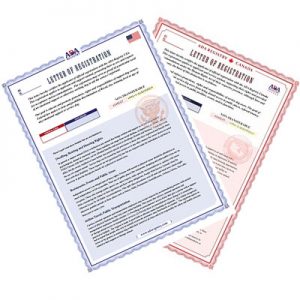
USA & CANADA Letters
High Quality Bandanas
Service Dog Tags
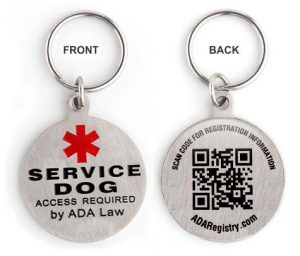
Smart Tags

ESA TAGS