Finnish Lapphund as a Therapy Dog
Register Any Breed
Finnish Lapphund as a Therapy Dog Overview
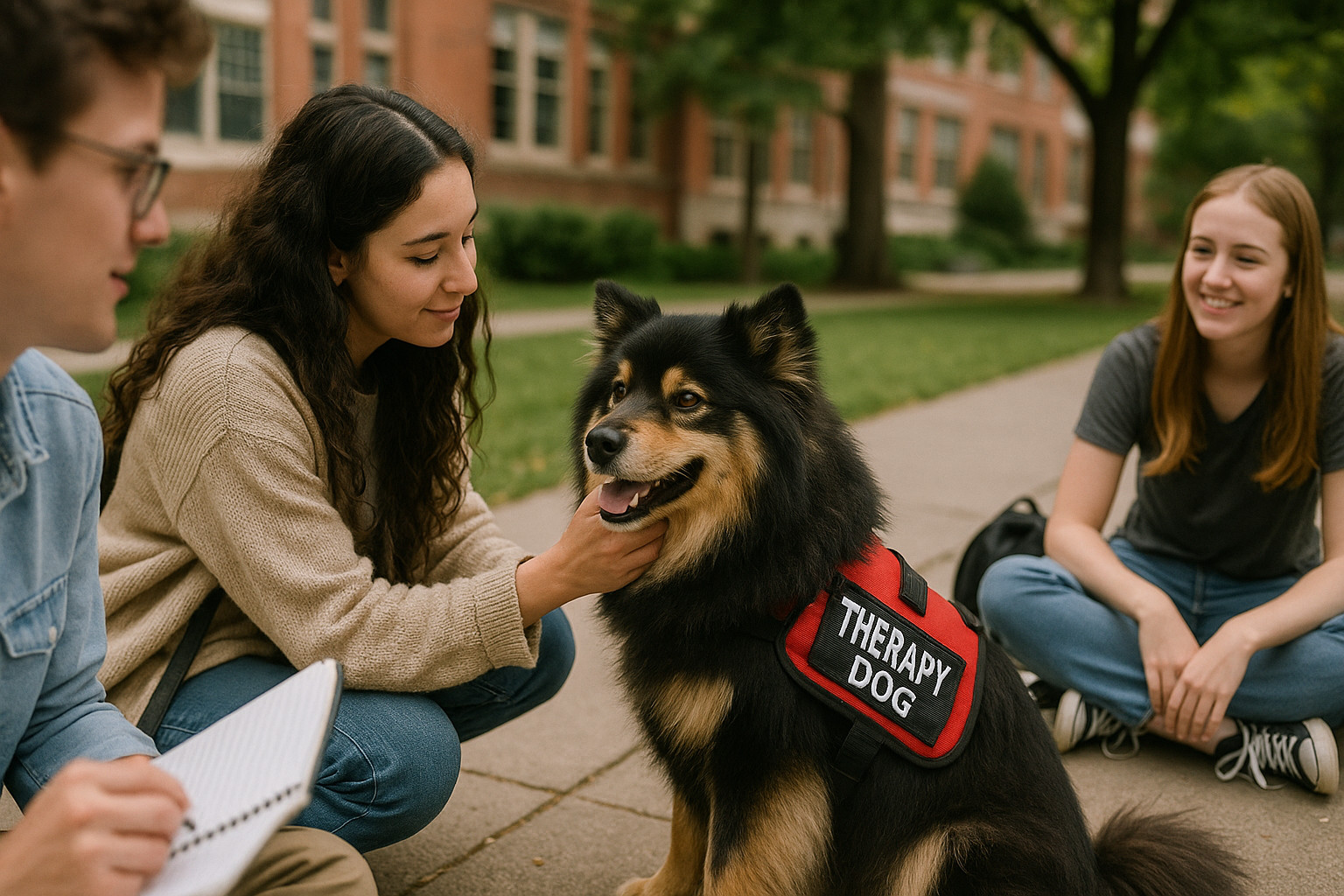
The Finnish Lapphund, a remarkably versatile and resilient breed, is gaining recognition as an exceptional candidate for therapy dog work. Known for their gentle nature, intelligence, and adaptability, these dogs have recently demonstrated exceptional aptitude in providing comfort and support in various therapeutic settings. This comprehensive guide delves into the characteristics that make the Finnish Lapphund suitable for therapy roles, discusses training considerations, and highlights environments where they can excel.
Understanding the Therapy Dog Role
Therapy dogs are utilized to provide emotional support, comfort, and companionship in diverse environments such as hospitals, nursing homes, schools, and rehabilitation centers. Unlike service dogs, they are not trained to perform specific tasks for individuals with disabilities but rather aid in improving overall mental health and social well-being through their presence.
- Breed's Temperament and Behavior Influence: The Finnish Lapphund is renowned for its friendly disposition, calm demeanor, and high emotional intelligence, all of which are paramount traits for therapy work. Their ability to remain calm under stress and show empathy enables them to connect deeply with people, providing much-needed emotional support.
- Empathy and Calmness: These dogs are naturally empathetic, often anticipating the emotional needs of those around them, which makes them effective in calming anxious or distressed individuals.
Physical Appearance and Energy Level
- Appearance: The Finnish Lapphund possesses a striking appearance characterized by a thick double coat that enables them to handle various climates and occasional indoor therapy work. Their medium size allows them to be approachable without being overwhelming, an asset in both adult and pediatric therapy settings.
- Energy Level: Their moderate energy level is ideal for therapy work, as they are spirited enough to engage with clients but not hyperactive—ensuring they do not become a distraction during therapeutic activities.
Personality and Emotional Intelligence
- Personality Traits: Finnish Lapphunds are known for their sociable and eager-to-please nature, which facilitates strong bonds with handlers and clients alike. Their inherent patience and ability to read social cues are pivotal in adapting to different client needs in therapy sessions.
- Emotional Intelligence: Their high emotional intelligence enables them to detect subtle emotional shifts in people, allowing them to respond supportively in ways that promote healing and emotional well-being.
Environments Where Finnish Lapphund Excels
- Therapy Settings Suited for Breed: Finnish Lapphunds thrive in environments where interactive, patient, and empathetic service is required. Their adaptability makes them suitable for myriad settings:
- Hospitals and Healthcare Facilities: Their calming presence can help alleviate patient stress, reduce anxiety, and provide comfort through affectionate interactions.
- Schools and Learning Centers: Their gentle playfulness and approachability make them excellent companions for children, including those with special needs.
- Rehabilitation Centers: They offer a nurturing presence for individuals recovering from physical injuries, encouraging participation in therapeutic exercises.
Common Therapy Settings
- Institutions and Facilities: Whether in a bustling hospital ward or a quiet nursing home lounge, Finnish Lapphunds have shown they can adjust their demeanor to suit the environment, maintaining composure and focus to provide comfort without becoming overwhelmed by noise or activity.
Interactions with Different Populations
- Children and Adolescents: Their playful and gentle nature encourages interaction with young people, facilitating developmental benefits and emotional relief.
- Elderly Individuals: Finnish Lapphunds offer company and comfort, aiding in reducing feelings of isolation among seniors. Their calm nature makes them ideal companions for those with dementia or Alzheimer’s.
- Individuals with Trauma or Anxiety Disorders: Their intuition and non-intrusive presence can help individuals process emotions, leading to breakthroughs in emotional health and resilience.
Health and Wellness Factors
- Health and Maintenance Considerations: While Finnish Lapphunds are generally robust, they require regular grooming due to their dense coats. This grooming not only maintains their health and appearance but also prepares them for extensive human interaction.
Lifespan and Common Health Issues
- Lifespan: Finnish Lapphunds have a typical lifespan of 12–15 years, allowing them to serve in therapy roles for extended periods.
- Health Concerns: They are prone to hip dysplasia and eye issues, which necessitates routine veterinary checks to ensure long-term participation in therapy activities without presenting any discomfort to themselves or those they assist.
Maintenance and Care Needs
- Grooming: Regular brushing and seasonal shedding management are essential to keep their coat healthy and the dog comfortable, ensuring they are always prepared for interaction potentially involving individuals with allergies.
Training and Certification Readiness
- Training Needs: Their eagerness to please and responsive nature make Finnish Lapphunds particularly amenable to therapy dog training programs. They respond well to positive reinforcement and socialization activities, crucial for obtaining therapy dog certification.
Learning Style and Responsiveness
- Learning Style: Finnish Lapphunds' quick learning abilities and responsiveness to training make them adept at mastering the skills necessary for therapy certification. They show strong responsiveness to praise and encouragement, which are keys to efficient training.
Handling Social and Emotional Stimuli
- Social Adaptability: These dogs excel in dynamic environments thanks to their social nature. They are quick to adapt to emotional stimuli, ensuring they provide appropriate responses that facilitate client comfort and engagement.
Strengths, Limitations, and Ideal Roles for Finnish Lapphund
- Strengths: Empathy, adaptability, patient nature, and intelligence are significant strengths that support their role as therapy dogs.
- Limitations: Their thick coats may not be suitable for certain allergen-sensitive environments and might require more frequent grooming to remain pristine.
- Ideal Roles: Best suited for environments where they can provide companionship, emotional support, and gentle engagement, such as pediatric therapy or emotional trauma recovery centers.
Final Thoughts
The Finnish Lapphund stands out as an outstanding therapy dog breed, offering a unique blend of temperament, intelligence, and adaptability. They excel in various therapeutic environments, contributing to emotional and psychological healing through their intuitive and affectionate nature.
Key Takeaways for the Finnish Lapphund as a Therapy Dog
- Best suited for: Hospitals, schools, nursing homes, and rehabilitation centers.
- Not ideal for: Environments with high allergen sensitivity due to shedding.
- Temperament highlights: Friendly, empathetic, adaptable, and patient.
- Care and health notes: Regular grooming and health checks to prevent issues.
- Therapy environments where they shine: Pediatric therapy settings, emotional trauma recovery, elderly care.
The Finnish Lapphund's contribution to therapy work is grounded in their ability to foster deep emotional connections, creating a foundation of trust and security that empowers individuals toward emotional recovery and comfort.


-
Public Access Kits
$149.00 Learn more This product has multiple variants. The options may be chosen on the product page -
Quick Ship Premium Vests
$48.00 – $82.00 Learn more This product has multiple variants. The options may be chosen on the product page -
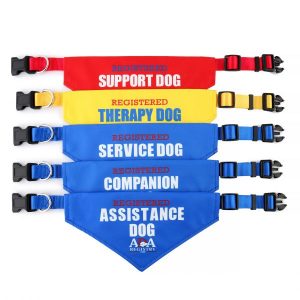
Service Dog Bandana
$39.95 Learn more This product has multiple variants. The options may be chosen on the product page
Custom ID Cards

Custom ID Cards
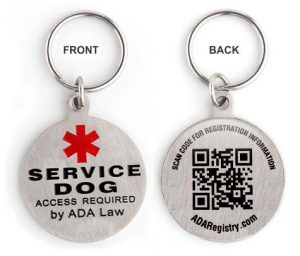
Custom Service Dog Tags
Official Dog Vests
Smart Vests
Official Public Access Kits
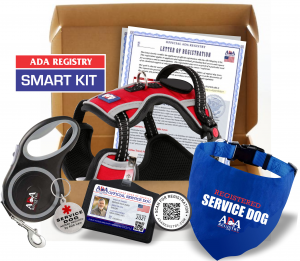
Complete Kits
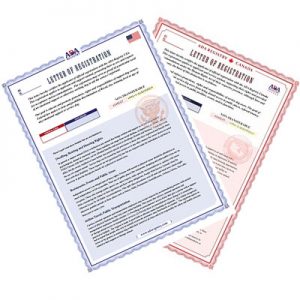
USA & CANADA Letters
High Quality Bandanas
Service Dog Tags
Smart Tags
ESA TAGS