
German Pinscher as a Therapy Dog
Register Any Breed
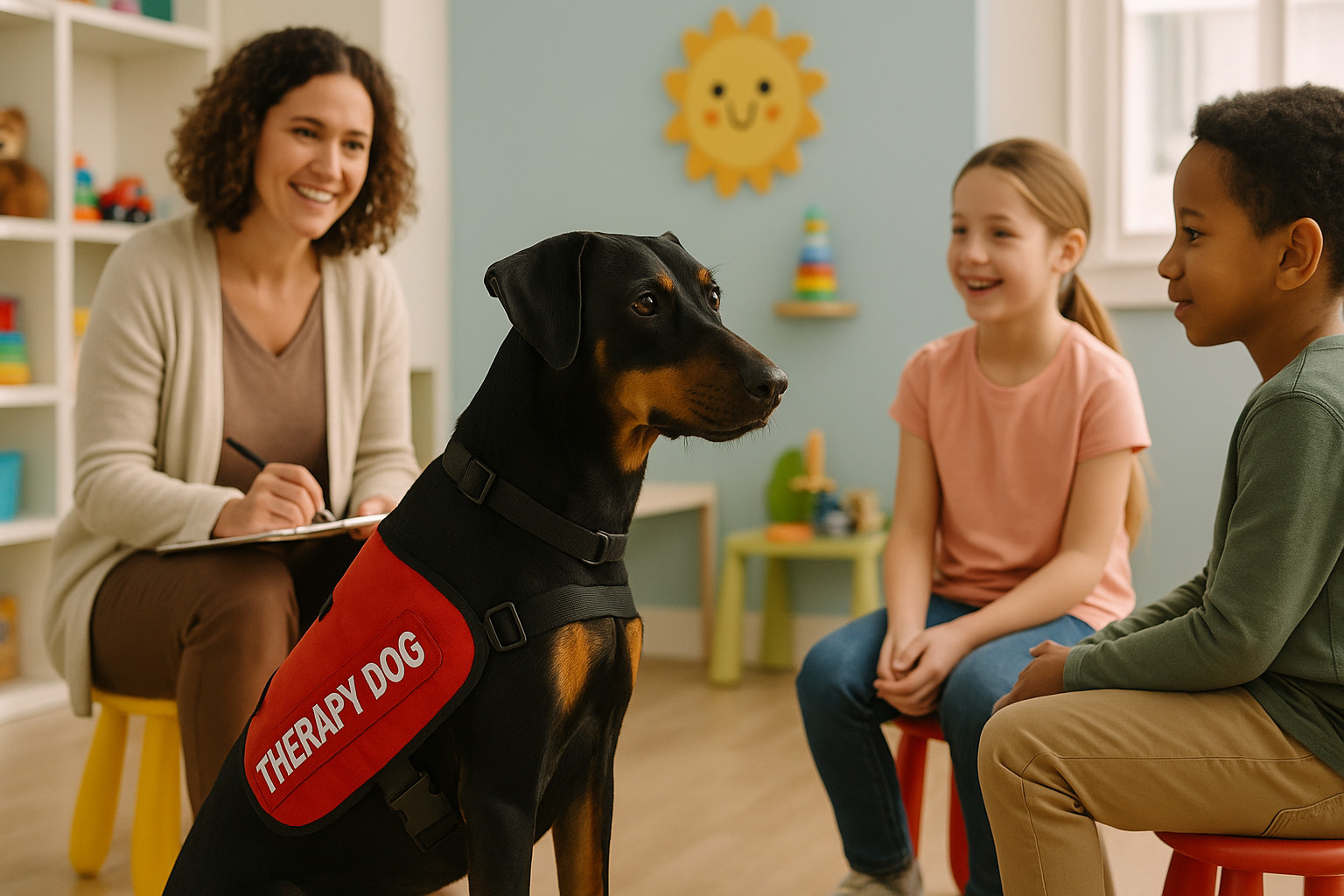
German Pinscher as a Therapy Dog Overview
The German Pinscher is a robust, medium-sized breed known for its agility, intelligence, and spirited nature. While often recognized for their roles in protection or as companion animals, their potential as therapy dogs is increasingly being acknowledged within therapy and healthcare environments. This article explores the suitability of the German Pinscher for therapy work, focusing on their physical and emotional traits, adaptability to various settings, and the training demands of therapy dog certification.
Understanding the Therapy Dog Role
Therapy dogs are trained to provide comfort and affection to individuals in various settings, such as hospitals, schools, and retirement homes. Unlike service dogs, they are not trained to perform specific tasks but rather to offer emotional support and companionship. This role requires a keen temperament, calm disposition, and empathy — qualities that the German Pinscher can exhibit effectively under the right conditions.
Physical Appearance and Energy Level
Characterized by their sleek, muscular build, the German Pinscher boasts an athletic physique ideal for agility and quick mobility, which can be advantageous for therapy work. Their size — typically around 17 to 20 inches in height and weighing 25 to 45 pounds — makes them versatile for different therapy environments where space may be limited.
However, their high energy level requires regular exercise, making it crucial for handlers to balance activity and calmness. Daily walks, engaging playtime, and agility exercises can help in moderating their energy, contributing to a more focused and relaxed demeanor when performing therapy tasks.
Personality and Emotional Intelligence
The German Pinscher is known for its intelligence, courage, and attentiveness. These personality traits contribute significantly to their potential as therapy dogs. Their high emotional intelligence allows them to sense human emotions effectively, making them responsive to the needs of those they are comforting.
- Empathy: Their ability to read human emotions can create a strong bond with those in need of comfort, establishing them as effective therapeutic companions.
- Alertness and Responsiveness: These traits ensure that the German Pinscher can respond promptly to changes in mood or behavior in a therapeutic setting.
- Independence: While beneficial for certain tasks, their independent nature requires structured training to ensure they remain attentive and engaged without becoming distracted.
Environments Where German Pinscher Excels
German Pinschers are adaptable to numerous environments, but they particularly thrive in settings that allow them to interact closely with individuals:
- Hospitals and Rehabilitation Centers: Their empathetic nature enables them to form quick bonds, providing emotional support to patients undergoing treatment or recovery.
- Schools and Educational Facilities: Their playful yet attentive demeanor can help children, especially those requiring emotional reassurance or stress reduction.
- Retirement Homes: The German Pinscher’s gentle nature and ability to connect emotionally make them ideal companions for elderly individuals seeking interaction and affection.
Common Therapy Settings
In common therapy settings, the presence and behavior of a German Pinscher can significantly impact the therapeutic experience:
Register Any Breed
- One-on-One Sessions: Their ability to focus on individuals allows them to support tailored therapeutic interventions effectively.
- Group Therapies: Their sociable nature helps in engaging multiple individuals, fostering a sense of community and shared positivity.
- Activity-Based Therapy: Given their energy, they fit well in activities that require movement and involvement, such as therapeutic walks or interactive games.
Interactions with Different Populations
The German Pinscher’s interaction in therapeutic settings must be carefully managed to ensure positive outcomes:
- Children: Patient yet playful, they can help alleviate anxiety in young children, making them an excellent choice for pediatric therapy.
- Elderly: Their calm and affectionate nature enables them to provide significant comfort to older adults, boosting mood and reducing feelings of isolation.
- Adults with Disabilities: Their adaptability and sensitivity make them suitable for offering support to adults with varied needs, helping improve emotional stability.
Health and Wellness Factors
Like all therapy dogs, a German Pinscher’s health directly influences its therapy capabilities. Maintaining optimal health is crucial to ensuring their active participation:
- Regular Health Check-ups: Frequent veterinary visits to monitor health and prevent issues such as hip dysplasia, which can affect their mobility and effectiveness.
- Balanced Diet and Exercise: Proper nutrition and physical activity are essential to maintain their energy levels and overall well-being, facilitating focused and calm therapy sessions.
Lifespan and Common Health Issues
The German Pinscher has a lifespan of approximately 12 to 14 years. Common health issues include:
- Hip Dysplasia: Regular exercise and weight management are crucial to combating this condition.
- Eye Health: Regular checks are necessary to prevent and manage issues such as cataracts.
Proactive health management ensures they remain active and capable throughout their therapy career.
Maintenance and Care Needs
Proper grooming and care facilitate their readiness for therapy sessions:
- Grooming: Their short coat necessitates minimal grooming, but regular brushing helps maintain coat health and reduces shedding.
- Hygiene Practices: Ensuring cleanliness is crucial for maintaining the health of both the dog and the individuals they interact with.
Training and Certification Readiness
German Pinschers are intelligent and eager to learn, which can streamline their certification as therapy dogs:
- Basic Obedience Training: Establishing foundational commands early on ensures they respond effectively in diverse environments.
- Training for Emotional Sensitivity: Enhancing their ability to detect and respond to emotional cues is crucial for impactful therapy sessions.
Learning Style and Responsiveness
Their keen intelligence and problem-solving ability facilitate effective learning:
- Positive Reinforcement: This method encourages desired behaviors and enhances their emotional connectivity with handlers.
- Consistent Training Routines: Regular, structured sessions help in embedding commands and responses, navigating their occasionally stubborn nature.
Handling Social and Emotional Stimuli
Their adaptability to social and emotional stimuli contributes to therapy success:
- Controlled Exposure: Gradual exposure to various environments and situations strengthens their ability to handle diverse stimuli.
- Desensitization Training: Techniques that reduce their sensitivity to high-stress environments enhance their calmness and stability during therapy work.
Strengths, Limitations, and Ideal Roles for German Pinscher
While the German Pinscher possesses many suitable traits, understanding their limitations ensures appropriate deployment in therapy roles:
- Strengths: Empathy, intelligence, and adaptability in engaging with different therapeutic settings.
- Limitations: High energy levels require careful management, and their independent nature necessitates diligent training oversight.
Ideal roles include environments where unique interactions are fostered, such as engaging activities or settings requiring intense one-on-one support.
Final Thoughts
The German Pinscher, with its adeptness at emotional connectivity and versatile adaptability, proves to be a capable candidate for therapy dog roles given proper training and health management. They offer a loving, engaging presence capable of comforting diverse populations across a range of settings.
Key Takeaways for the German Pinscher as a Therapy Dog
- Best suited for: Hospitals, schools, retirement homes where interactive engagement is beneficial.
- Not ideal for: Environments requiring prolonged periods of inactivity or high-demand obedience tasks without appropriate energy outlets.
- Temperament highlights: Empathetic, intelligent, adaptable, with a spirited and affectionate nature.
- Care and health notes: Requires regular exercise, health checks, and balanced diet for optimal therapy performance.
- Therapy environments where they shine: One-on-one sessions, activity-based therapies, group engagements with diverse populations.


-
Public Access Kits
$149.00 Learn more This product has multiple variants. The options may be chosen on the product page -
Quick Ship Premium Vests
$48.00 – $82.00 Learn more This product has multiple variants. The options may be chosen on the product page -
Service Dog Bandana
$39.95 Learn more This product has multiple variants. The options may be chosen on the product page
Custom ID Cards

Custom ID Cards
Custom Service Dog Tags

Official Dog Vests

Smart Vests
Official Public Access Kits

Complete Kits
USA & CANADA Letters

High Quality Bandanas

Service Dog Tags

Smart Tags

ESA TAGS
