Ibizan Hound as a Therapy Dog
Register Any Breed
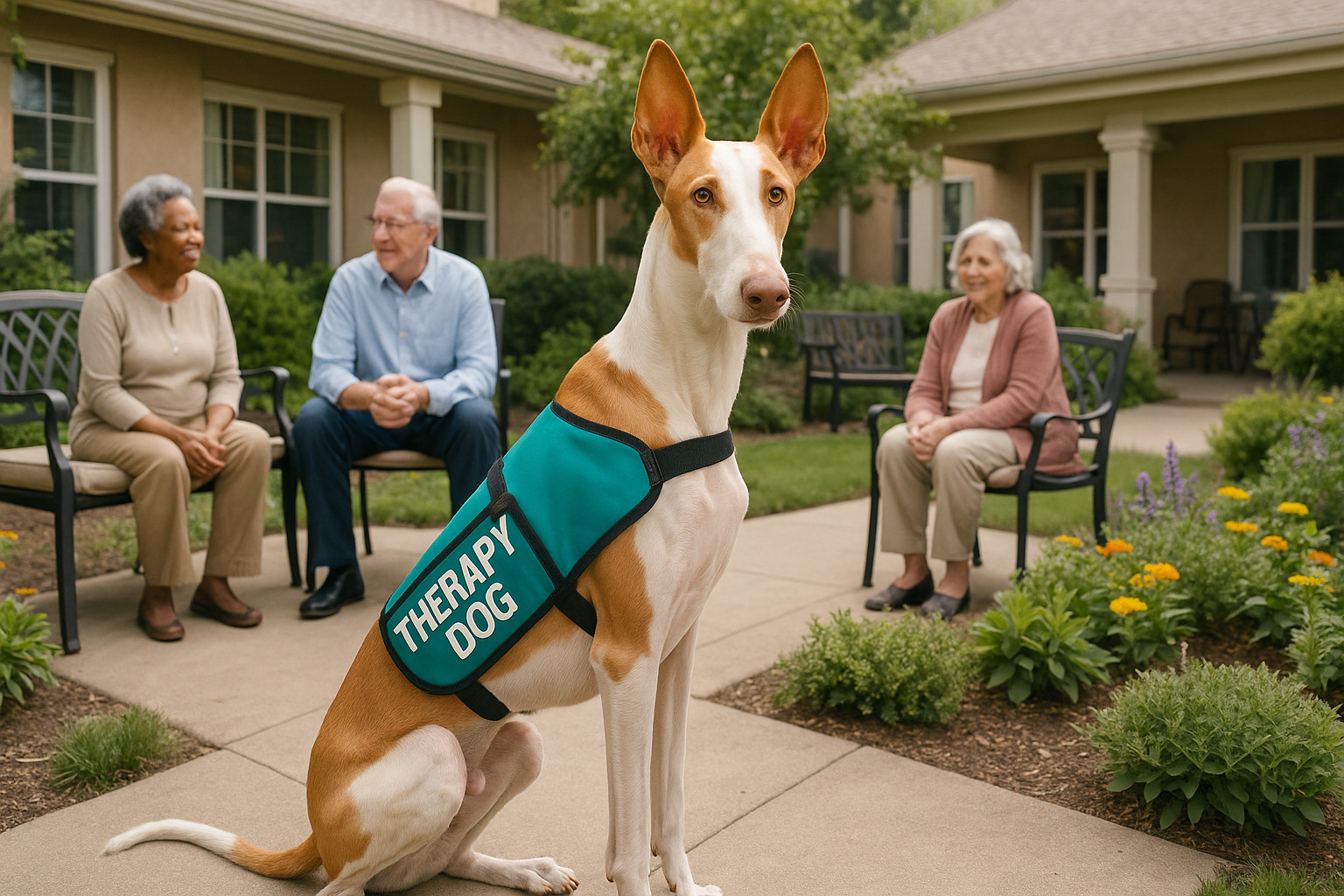
The Ibizan Hound, known for its elegance and agility, might not be the first breed that comes to mind when considering therapy dogs. However, its unique characteristics can make it an exceptional choice in certain therapeutic environments. In this article, we delve into the qualities that contribute to the Ibizan Hound's potential as a therapy dog, offering insights into its temperament, adaptability, and specific care needs.
Ibizan Hound as a Therapy Dog Overview
Ibizan Hounds boast a distinctive physical appearance and a temperament that combines a playful spirit with a gentle demeanor, making them uniquely suited to certain therapy roles. Understanding how these traits apply to therapy settings involves examining specific characteristics and common scenarios where Ibizan Hounds can excel.
Understanding the Therapy Dog Role
Therapy dogs provide comfort and companionship to individuals in a range of environments, enhancing emotional well-being and offering non-judgmental support. In therapy roles, dogs must demonstrate patience, empathy, and adaptability to various settings, such as hospitals, schools, or rehabilitation centers. The Ibizan Hound's specific behavioral traits play a crucial role in its performance as a therapy dog.
Physical Appearance and Energy Level
Ibizan Hounds are known for their slender build and striking appearance. This medium-sized breed typically has a friendly and approachable demeanor, essential for alleviating anxiety in therapy settings. Key features include:
- Elegant physique: Their slender and athletic appearance can attract positive attention and provide a calming presence.
- High energy levels: Although energetic, their ability to adapt to lower energy settings makes them versatile. However, their energy needs must be balanced with engagement activities before therapy sessions.
Personality and Emotional Intelligence
The Ibizan Hound is known for its intelligence and emotional sensitivity. These traits can significantly enhance its effectiveness in therapy scenarios:
- Highly intuitive: Their keen ability to sense emotions enables them to respond empathetically to distressed individuals.
- Gentle temperament: Ibizan Hounds generally maintain a calm and composed demeanor, necessary for creating a soothing atmosphere.
Environments Where Ibizan Hound Excels
The Ibizan Hound's adaptability makes it suitable for various therapeutic settings, which include:
- Hospitals and clinics: Their calm presence can ease anxiety in patients facing medical treatments.
- Schools: They can engage children with developmental challenges or learning disabilities, fostering interaction and emotional regulation.
Common Therapy Settings
Common therapy settings for Ibizan Hounds encompass diverse environments where they interact with individuals of different needs and backgrounds, such as:
Register Any Breed
- Assisted living facilities: Their gentle nature and willingness to engage provide comfort and companionship to residents.
- Mental health centers: Their non-judgmental affection can help individuals facing mental health challenges feel secure.
Interactions with Different Populations
The Ibizan Hound's versatility allows it to connect with a broad spectrum of individuals, including:
- Children: Their playful but gentle approach can help children engage and communicate more readily.
- Elderly: Their calm demeanor and predictable behavior offer companionship to the elderly, providing routine and stability.
Health and Wellness Factors
Regular health maintenance is crucial for therapy dogs to perform adequately without imposing health risks:
- Diet and exercise: Keeping a balanced diet and regular exercise helps maintain their health and energy levels suitable for therapy work.
- Routine vet visits: Regular check-ups ensure the Ibizan Hound is in optimal health to safely interact with vulnerable populations.
Lifespan and Common Health Issues
Understanding lifespan and health vulnerabilities is vital when considering Ibizan Hounds for therapy roles:
- Lifespan: Typically living 10-12 years, regular vet care can optimize their longevity and service capacity.
- Common health issues: Watch for conditions such as hip dysplasia or ear infections, which could affect their ability to participate in therapy visits.
Maintenance and Care Needs
The Ibizan Hound requires specific grooming and care routines to remain comfortable and presentable:
- Grooming: Their short coat requires minimal grooming, lowering maintenance burdens.
- Environmental needs: They need spaces that accommodate their size and allow for downtime after sessions.
Training and Certification Readiness
Training Ibizan Hounds for therapy certification involves capitalizing on their intelligence and emotional acuity:
- Obedience training: Instilling basic commands early increases their reliability in therapy settings.
- Continued socialization: Regular exposure to varying environments enhances their adaptability and confidence.
Learning Style and Responsiveness
Leveraging the Ibizan Hound's learning tendencies is integral to effective training:
- Problem-solving capabilities: Their intelligence allows them to quickly understand and adapt to required tasks.
- Positive reinforcement: They respond well to reward-based training methods that encourage desired behaviors.
Handling Social and Emotional Stimuli
Their sensitivity to social and emotional cues aids in therapy efficiency:
- Empathy in distress: They can often instinctively provide comfort to individuals experiencing distress or anxiety.
- Calm response: Their calm demeanor helps them maintain composure amidst emotional outbursts or tense situations.
Strengths, Limitations, and Ideal Roles for Ibizan Hound
While Ibizan Hounds bring unique qualities to therapy work, acknowledging their strengths and limitations can optimize their contributions:
- Strengths: Emotional sensitivity and calm demeanor are invaluable traits in therapy environments.
- Limitations: High energy levels may require an experienced handler to manage effectively in certain settings.
Final Thoughts
The Ibizan Hound can be an excellent therapy dog given the right environment and handler. Their unique combination of intelligence, empathy, and striking appearance provides comfort to those in need. With the appropriate training and care, they can effectively brighten lives across various therapeutic settings.
Key Takeaways for the Ibizan Hound as a Therapy Dog
- Best suited for: Hospitals, schools, mental health centers, and assisted living facilities where a calm, empathetic presence is beneficial.
- Not ideal for: High-stress situations that require prolonged periods of inactivity without prior energy release.
- Temperament highlights: Intelligent, empathetic, gentle, and intuitively responsive.
- Care and health notes: Regular grooming, balanced diet, and routine health check-ups are essential for maintaining their wellness.
- Therapy environments where they shine: Settings that value emotional support and gentle engagement, suitable for all age groups.


-
Public Access Kits
$149.00 Learn more This product has multiple variants. The options may be chosen on the product page -
Quick Ship Premium Vests
$48.00 – $82.00 Learn more This product has multiple variants. The options may be chosen on the product page -
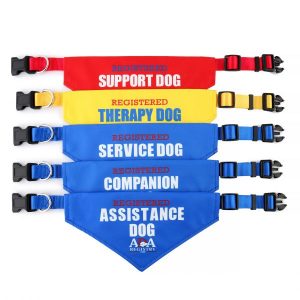
Service Dog Bandana
$39.95 Learn more This product has multiple variants. The options may be chosen on the product page
Custom ID Cards

Custom ID Cards
Custom Service Dog Tags
Official Dog Vests

Smart Vests
Official Public Access Kits

Complete Kits
USA & CANADA Letters
High Quality Bandanas
Service Dog Tags
Smart Tags

ESA TAGS