Italian Greyhound as a Therapy Dog
Register Any Breed
Italian Greyhound as a Therapy Dog Overview
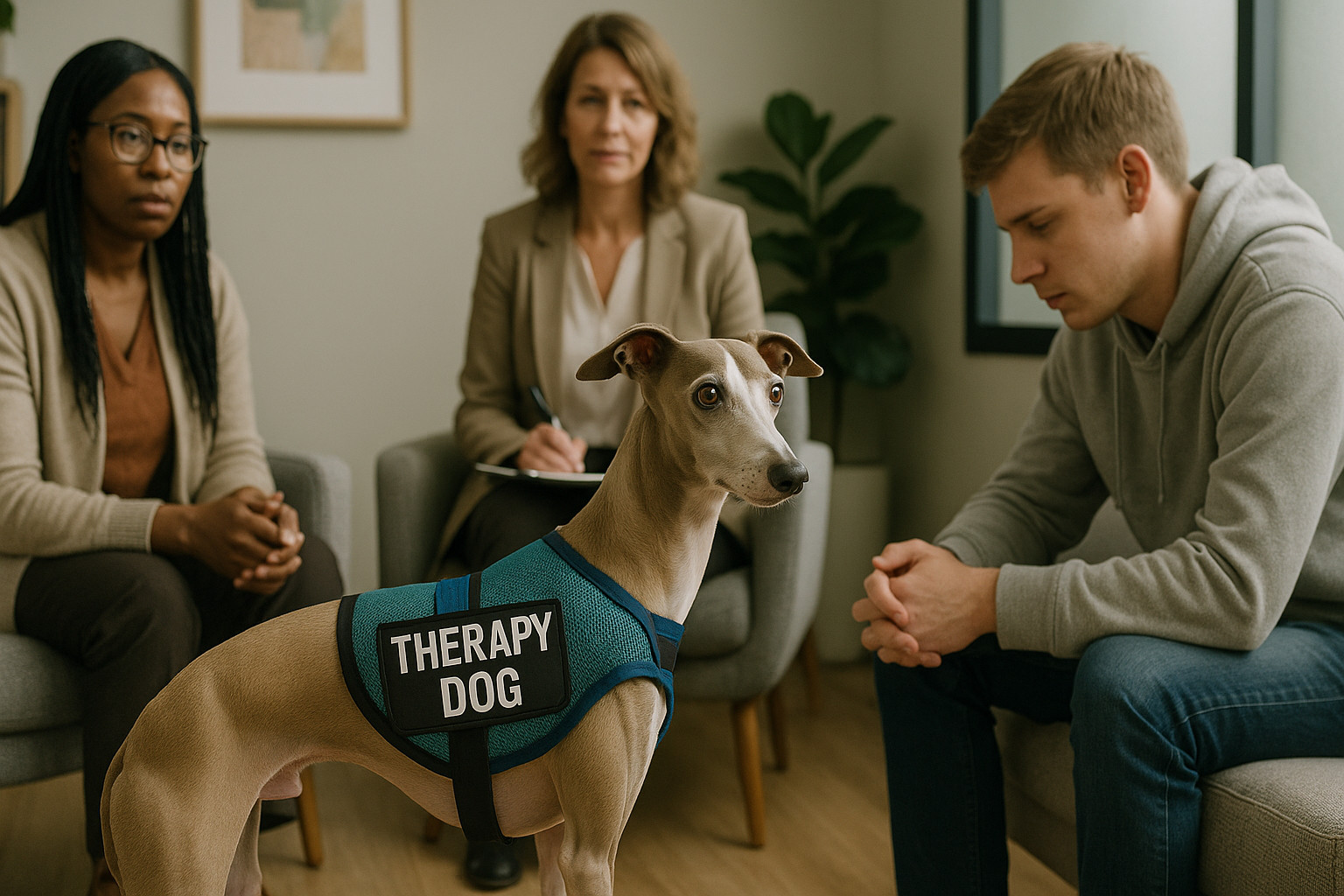
The Italian Greyhound, known for its elegance and gentle demeanor, is an increasingly popular choice for therapy dog roles. This petite hound combines sensitivity with intelligence, making it well-suited for providing comfort and companionship in various therapeutic settings. This article explores the breed's unique characteristics and evaluates its effectiveness as a therapy dog, focusing on temperament, adaptability, and care needs.
Understanding the Therapy Dog Role
Therapy dogs offer emotional support to individuals in various environments, including hospitals, schools, and homes. Their presence can alleviate stress, provide companionship, and improve overall well-being. The Italian Greyhound's natural intuition and gentle presence make it an excellent candidate for such tasks. These dogs are known for their ability to pick up on human emotions, offering comfort through their calming presence and affectionate nature.
Physical Appearance and Energy Level
The Italian Greyhound is a small, slender dog, standing about 13 to 15 inches tall and weighing between 7 to 14 pounds. Despite their delicate build, they possess surprising energy, which needs to be channeled appropriately in therapy settings. Their smooth, short coat requires minimal grooming, but their thin skin is sensitive to temperature changes. This physical trait necessitates extra care in maintaining warmth during visits, especially in colder environments.
Their agility and grace are assets, as their movements are gentle and non-threatening. However, their energy level means they require regular exercise, which can be integrated into their therapy work to help manage anxiety and maintain a calm demeanor.
Personality and Emotional Intelligence
Italian Greyhounds are renowned for their affectionate and friendly nature. Their emotional intelligence allows them to form strong bonds with humans, an essential trait for therapy dogs. They exhibit:
- Empathy: Their ability to sense and respond to human emotions makes them attentive companions in therapeutic roles.
- Adaptability: They adjust quickly to new environments and people, which is crucial for varied therapy settings.
- Calmness: Despite their playful side, they have a calming presence that is beneficial in reducing stress and anxiety.
Their sensitivity means they thrive on positive reinforcement and gentle handling, responding well to patient and consistent training.
Environments Where Italian Greyhound Excels
Due to their affectionate nature and adaptability, Italian Greyhounds thrive in several therapy settings. They excel in environments where their calming presence can significantly impact someone's emotional state, including:
Register Any Breed
- Hospitals and Nursing Homes: Their gentle nature provides comfort to patients, helping ease feelings of loneliness and stress.
- Schools: They are excellent with children, particularly in settings where emotional support is required, such as special education programs.
- Rehabilitation Centers: Their energetic yet gentle demeanor can encourage physical activity while providing emotional support.
Common Therapy Settings
In therapy settings, the Italian Greyhound is appreciated for its versatility. Some common scenarios include:
- Elderly Care Facilities: Their small size and gentle nature make them particularly suited to interacting with seniors, offering companionship and warmth.
- Pediatric Therapy: They engage well with children, providing a non-threatening interaction that encourages socialization and emotional expression.
- Adolescent and Adult Therapy: Whether for mental health support or recovery from trauma, their attentive nature and calm presence facilitate therapeutic connections.
Interactions with Different Populations
Italian Greyhounds are outstanding with various populations. Their mild temperament is particularly beneficial in settings requiring gentleness and patience:
- Children: Their playful yet gentle demeanor makes them approachable and engaging for children, supporting emotional and social development.
- Elderly Individuals: They provide companionship and emotional support, promoting mental well-being and reducing loneliness.
- Individuals with Mental Health Challenges: Their calming presence can be grounding and reassuring, assisting in reducing anxiety and stress.
Health and Wellness Factors
When considering an Italian Greyhound for therapy work, health and wellness play crucial roles. Frequent vet visits are paramount to maintain their well-being and ensure they remain fit for service.
- Diet and Exercise: A balanced diet and regular physical activity maintain their health and energy levels, vital for therapy work.
- Body Temperature Sensitivity: Due to their thin coat, they are susceptible to cold, requiring appropriate protection in cooler climates.
- Regular Health Screenings: Proactive health screenings help catch and manage common health issues, ensuring longevity and efficacy in their role.
Lifespan and Common Health Issues
The Italian Greyhound typically has a lifespan of 12-15 years. However, they can be prone to certain genetic conditions that need monitoring:
- Dental Issues: Regular dental care is vital to prevent tooth decay and gum disease.
- Joint and Bone Health: Their delicate build makes them susceptible to fractures; gentle handling and care can mitigate this risk.
- Eye Conditions: Regular eye check-ups are recommended to maintain eye health, preventing potential complications.
Maintenance and Care Needs
Caring for an Italian Greyhound involves meeting their physical and emotional needs, which is essential for their performance as therapy dogs:
- Grooming: Their short coat requires minimal grooming, reducing the risk of allergens.
- Exercise: Regular walks and playtime help channel their energy, ensuring they remain calm during therapy sessions.
- Emotional Well-being: They thrive on human attention, requiring regular interaction and affection to maintain a happy disposition.
Training and Certification Readiness
Training Italian Greyhounds for therapy certification focuses on their calm demeanor, social skills, and responsiveness:
- Socialization Training: Early introduction to various environments and people enhances adaptability and confidence.
- Obedience Training: Positive reinforcement strategies help foster obedience and understanding of therapy commands.
- Certification Programs: Joining therapy dog certification programs ensures they meet the rigorous standards required for therapy work.
Learning Style and Responsiveness
Italian Greyhounds learn best through positive reinforcement and consistent routines. Their high intelligence allows them to grasp commands quickly, but:
- Patience is key: They respond best to gentle, patient guidance rather than harsh corrections.
- Motivation: They are motivated by praise and treats, making training sessions a positive experience.
- Consistency: Regular training helps reinforce behavior, ensuring they remain reliable and effective therapy partners.
Handling Social and Emotional Stimuli
Italian Greyhounds are adept at navigating emotional environments due to their intuitive nature:
- Sensitivity to Emotion: They pick up on subtle emotional cues, providing comfort through their presence.
- Calm Confidence: In the face of new stimuli, they maintain composure, offering a stabilizing presence.
- Social Skills: Their friendly and approachable nature allows easy integration into new social environments.
Strengths, Limitations, and Ideal Roles for Italian Greyhound
The Italian Greyhound’s primary strengths in therapy roles are its emotional sensitivity and adaptability. However, some limitations impact certain environments:
- Strengths:
- Exceptional empathy and ability to comfort
- Adaptable to various settings
- Low grooming requirements
- Limitations:
- Vulnerability to temperature extremes
- Potential for fragile bones requiring careful handling
- Ideal Roles:
- Providing emotional support in hospitals and nursing homes
- Engaging with children in educational settings
- Supporting mental health therapy sessions
Final Thoughts
Italian Greyhounds make excellent therapy dogs due to their gentle, affectionate nature and ability to connect with humans emotionally. Their adaptability and intelligence allow them to thrive in diverse therapeutic settings, bringing comfort and connection to various populations. Proper care and training ensure that they remain effective and reliable therapy partners, enhancing the well-being of those they serve.
Key Takeaways for the Italian Greyhound as a Therapy Dog
- Best suited for: Hospitals, schools, elderly care facilities where a calm and comforting presence is needed.
- Not ideal for: Outdoor therapy settings in cold climates due to their sensitivity to temperature.
- Temperament highlights: Empathetic, adaptable, calm, and affectionate, making them excellent companions.
- Care and health notes: Require protection against temperature extremes, routine dental care, and mindful handling due to fragile build.
- Therapy environments where they shine: Hospitals, pediatric and elderly therapy, and mental health support settings where emotional connection is crucial.


-
Public Access Kits
$149.00 Learn more This product has multiple variants. The options may be chosen on the product page -
Quick Ship Premium Vests
$48.00 – $82.00 Learn more This product has multiple variants. The options may be chosen on the product page -
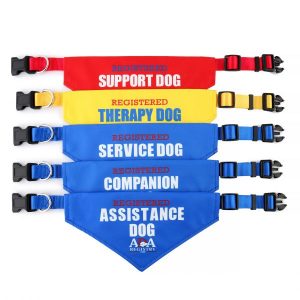
Service Dog Bandana
$39.95 Learn more This product has multiple variants. The options may be chosen on the product page
Custom ID Cards

Custom ID Cards
Custom Service Dog Tags
Official Dog Vests

Smart Vests
Official Public Access Kits

Complete Kits
USA & CANADA Letters
High Quality Bandanas
Service Dog Tags
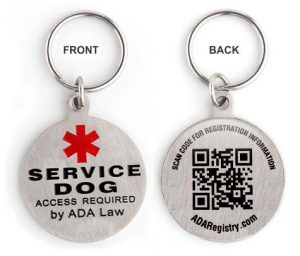
Smart Tags

ESA TAGS