Keeshond as a Therapy Dog
Register Any Breed
Keeshond as a Therapy Dog Overview
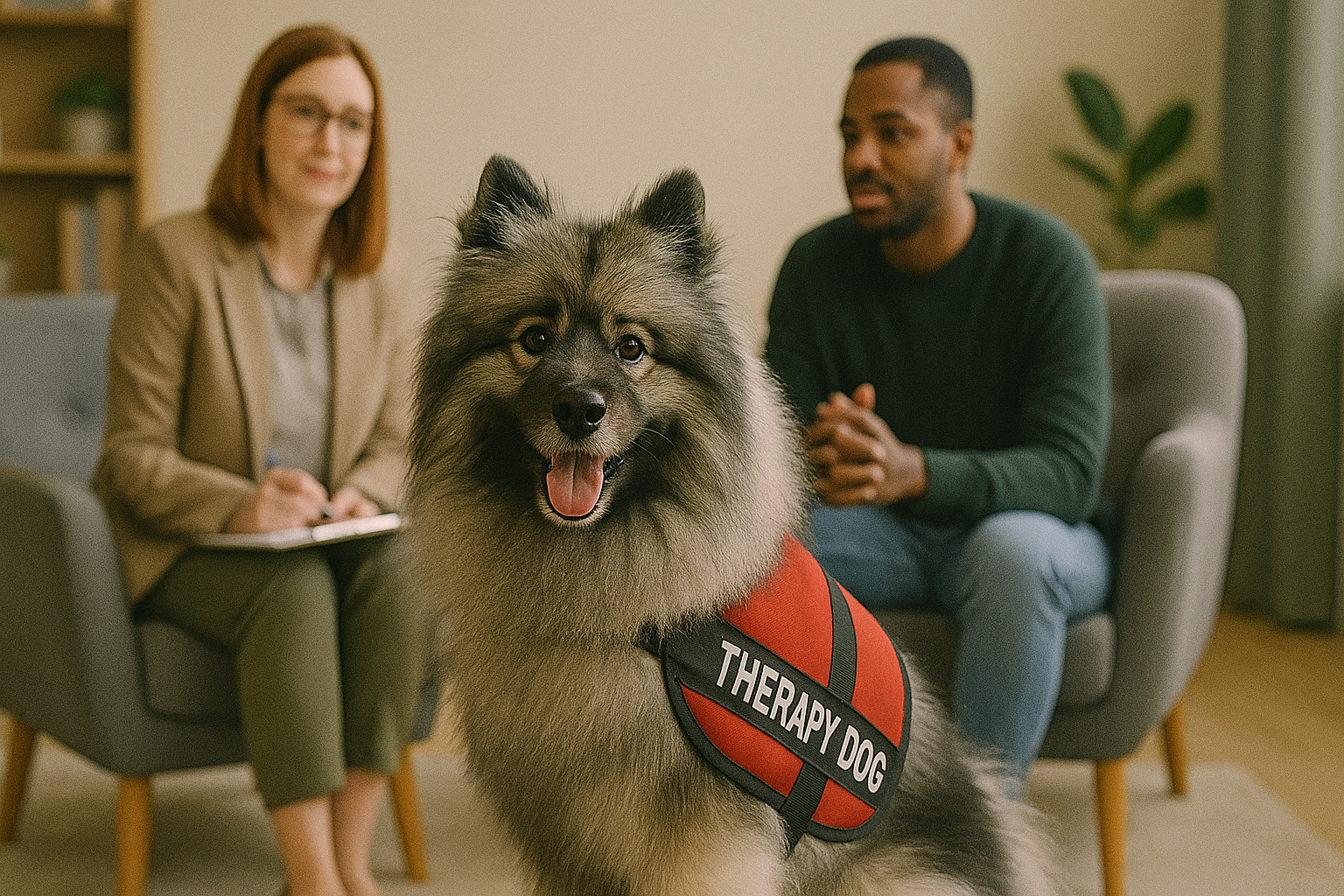
Renowned for their cheerful demeanor and distinctive appearance, the Keeshond is gaining popularity as an ideal therapy dog. This breed's innate empathy, calmness, and high adaptability contribute to its success in various therapeutic settings. While dogs are known for their loyalty and companionship, therapy dogs, like the Keeshond, extend these traits to support emotional and psychological well-being in humans. Let’s delve into what makes the Keeshond a standout choice for emotional support roles.
Understanding the Therapy Dog Role
Therapy dogs play a unique, impactful role in health care and emotional well-being. Unlike service dogs, whose duties often involve precise, task-specific training, therapy dogs are trained to provide comfort, companionship, and warmth. Their primary goal is to enhance the psychological health of the individuals they visit by being present, approachable, and responsive.
Keeshonds are especially effective in these roles due to their:
- Natural tendency to read human emotions and respond appropriately
- Ability to remain calm in high-stress environments such as hospitals or care facilities
- Versatile adaptability to various human interactions, creating a soothing presence
Physical Appearance and Energy Level
The Keeshond is a medium-sized dog with a distinctive furry coat that often invites affectionate interactions. Their expressive faces, characterized by vivid markings and a "spectacle" appearance around their eyes, naturally draw positive engagement.
- Energy Level: Moderate — the Keeshond has enough energy to engage with multiple people over a period but isn't hyperactive, allowing them to maintain calm composure necessary for therapy settings.
- Coat: Thick, plush, and double-layered, requiring frequent grooming to remain neat and presentable during visits.
Their inviting physical traits facilitate immediate bonding, while their moderate energy keeps them efficient yet non-intrusive during therapy sessions.
Personality and Emotional Intelligence
Keeshonds are celebrated for their personable nature and advanced emotional intelligence. Their ability to sense and react to emotional cues makes them particularly suited for settings where the minimization of emotional stress is paramount.
- Empathy: Excellent—Keeshonds demonstrate keen sensitivity to human emotions, often adjusting their behavior to offer comfort.
- Sociability: High—with a natural inclination towards warmth and friendliness, they easily build trust and rapport with strangers.
Keeshonds bring a balance of patience and enthusiasm, making them responsive and comforting companions across varied therapeutic environments.
Register Any Breed
Environments Where Keeshond Excels
Keeshonds thrive particularly in settings demanding continuous interaction with diverse groups of people. They are well-suited to environments requiring a blend of interaction, attentiveness, and calm demeanor.
- Hospitals: They adapt well to the sterility and distractions of hospitals, remaining composed around medical equipment and procedures.
- Schools: Their playful yet restful nature resonates with children, facilitating positive connections and easing anxiety.
- Rehabilitation Centers: Their calm, positive disposition aids physical and emotional recovery, soothing patients in recovery stages.
Their ability to maintain a comforting presence amidst varying environments highlights their adaptability and emotional support qualifications.
Common Therapy Settings
Keeshonds can commonly be found in therapy settings that prioritize emotional healing and support. Their capability to engage with individuals in need makes them valuable in:
- Elderly Care Facilities: Their gentle, approachable nature helps reduce loneliness among elderly residents.
- Crisis Intervention Areas: Their calm demeanor assists in stabilizing heightened emotional states, offering comforting assurance to individuals in distress.
- Pediatric Units: Their fluffy, affable appearance and gentle interactions make them ideal for comforting young patients.
Through engaging both dynamically and soothingly with individuals, Keeshonds cater to a broad spectrum of therapeutic needs.
Interactions with Different Populations
Keeshonds exhibit versatility in interactions with varying populations, highlighting their flexible companionability.
- Children: Engaging yet gentle, they respond well to varying energy levels, making them approachable for younger clients.
- Adults: Their emotional intelligence and serene demeanor provide reliable comfort, especially to those undergoing stress or emotional hardship.
- Seniors: Offering steady companionship, Keeshonds' calm yet responsive nature effectively reduces feelings of isolation.
Their adaptability across diverse demographics ensures a nurturing presence, making them valuable assets for therapy applications.
Health and Wellness Factors
While Keeshonds are generally healthy, maintaining their well-being is crucial to ensure their effective contribution as therapy dogs. They have specific grooming and healthcare needs that once addressed, aid their ability to deliver optimal support.
- Grooming: Regular grooming sessions are vital for maintaining their thick, plush coats. This should include daily brushing to prevent tangling and matting.
- Exercise Needs: A balanced level of physical activity ensures they remain healthy and agile, without becoming overwhelmed.
Maintaining these health factors ensures Keeshonds remain robust and vigorous, supporting their roles in therapeutic settings.
Lifespan and Common Health Issues
Duration and quality of life play significant roles in the reliability and longevity of a therapy dog's service.
- Lifespan: Keeshonds typically enjoy a lifespan of 12 to 15 years, allowing for long-term involvement in therapy programs.
- Health Concerns: They may encounter issues such as hip dysplasia or heart conditions, requiring routine veterinary check-ups to prevent or manage ailments.
Understanding and addressing potential health concerns ensure Keeshonds sustain their ability to provide consistent therapeutic support.
Maintenance and Care Needs
Keeshonds require specific care to keep them comfortable and effective in their therapy roles.
- Dietary Needs: Well-balanced nutrition supports their energy levels and general health.
- Hygiene: Routine grooming and hygiene practices are essential for maintaining a presentable and healthy appearance.
By meeting these care needs, Keeshonds maintain a professional level of grooming and physical well-being crucial for therapy settings.
Training and Certification Readiness
A Keeshond's training process for therapy work involves harnessing their innate traits within structured programs, ensuring they meet professional standards for therapy dogs.
- Trainability: Their intelligence and eagerness to please facilitate a responsive training process.
- Certification Process: Courses emphasize exposing them to different environments, ensuring they handle the array of emotional and physical stimuli confidently.
Their readiness for certification roles equates to their capacity for consistent performance in therapy roles.
Learning Style and Responsiveness
Keeshonds exhibit a unique learning style, demonstrated through their keen responsiveness and adaptability in training scenarios.
- Intelligence: High—enabling them to learn new commands and routines swiftly.
- Adaptability: Allows them to adjust to various therapeutic settings, enhancing their effectiveness as therapy companions.
Keeshonds' adeptness at learning and responding shapes their behavior, making them proficient in therapy-oriented interactions.
Handling Social and Emotional Stimuli
In an emotional assistance context, the ability to accurately react to social cues is pivotal, an area where Keeshonds excel.
- Sensitivity: Their emotional and social sensitivity allows them to tackle tension or emotional distress, providing soothing reassurance.
- Presence: Their calming presence reduces anxiety, making them effective in therapeutic settings that require serene interactions.
Navigating social and emotional stimuli with poise, Keeshonds empower therapy dynamics, reinforcing their capability as emotional support animals.
Strengths, Limitations, and Ideal Roles for Keeshond
Exploring the strengths and potential limitations of Keeshonds helps form an overall understanding of their therapy potential.
- Strengths: High empathy, calming presence, versatile adaptability, and ease of forming connections.
- Limitations: Potential health issues require monitoring; upkeep may challenge those unable to maintain regular grooming.
- Ideal Roles: Multi-purpose therapy roles in varied environments; excelling in settings requiring emotional support and companionship.
Acknowledging these factors assists therapy dog trainers and handlers in optimizing Keeshonds for therapy settings.
Final Thoughts
Keeshonds encapsulate the essence of an exceptional therapy dog. With their empathetic nature, adaptability, and ability to bond across various settings, they are poised to offer substantial emotional support in multiple environments. From providing comfort in hospitals and nursing homes to assisting with stress relief in crisis situations, their presence delivers genuine warmth and assurance. Potential handlers should consider the breed's unique strengths alongside its requirements to ensure optimal outcomes in therapy contexts.
Key Takeaways for the Keeshond as a Therapy Dog
- Best suited for: Versatile multi-purpose therapy roles, including hospitals, schools, and elder care facilities.
- Not ideal for: Situations requiring minimal grooming or in handlers unable to commit to regular maintenance.
- Temperament highlights: Friendly, emotionally intelligent, adaptable in diverse settings.
- Care and health notes: Requires regular grooming and monitoring for specific breed health issues.
- Therapy environments where they shine: Healthcare and rehabilitation centers, educational settings, emotional crisis intervention.


-
Public Access Kits
$149.00 Learn more This product has multiple variants. The options may be chosen on the product page -
Quick Ship Premium Vests
$48.00 – $82.00 Learn more This product has multiple variants. The options may be chosen on the product page -
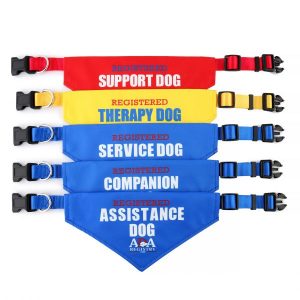
Service Dog Bandana
$39.95 Learn more This product has multiple variants. The options may be chosen on the product page
Custom ID Cards

Custom ID Cards
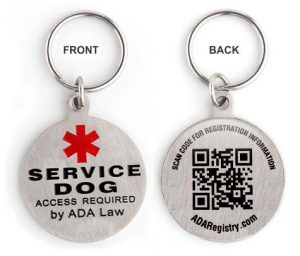
Custom Service Dog Tags
Official Dog Vests

Smart Vests
Official Public Access Kits
Complete Kits
USA & CANADA Letters

High Quality Bandanas
Service Dog Tags
Smart Tags

ESA TAGS