Kuvasz as a Therapy Dog

Register Any Breed
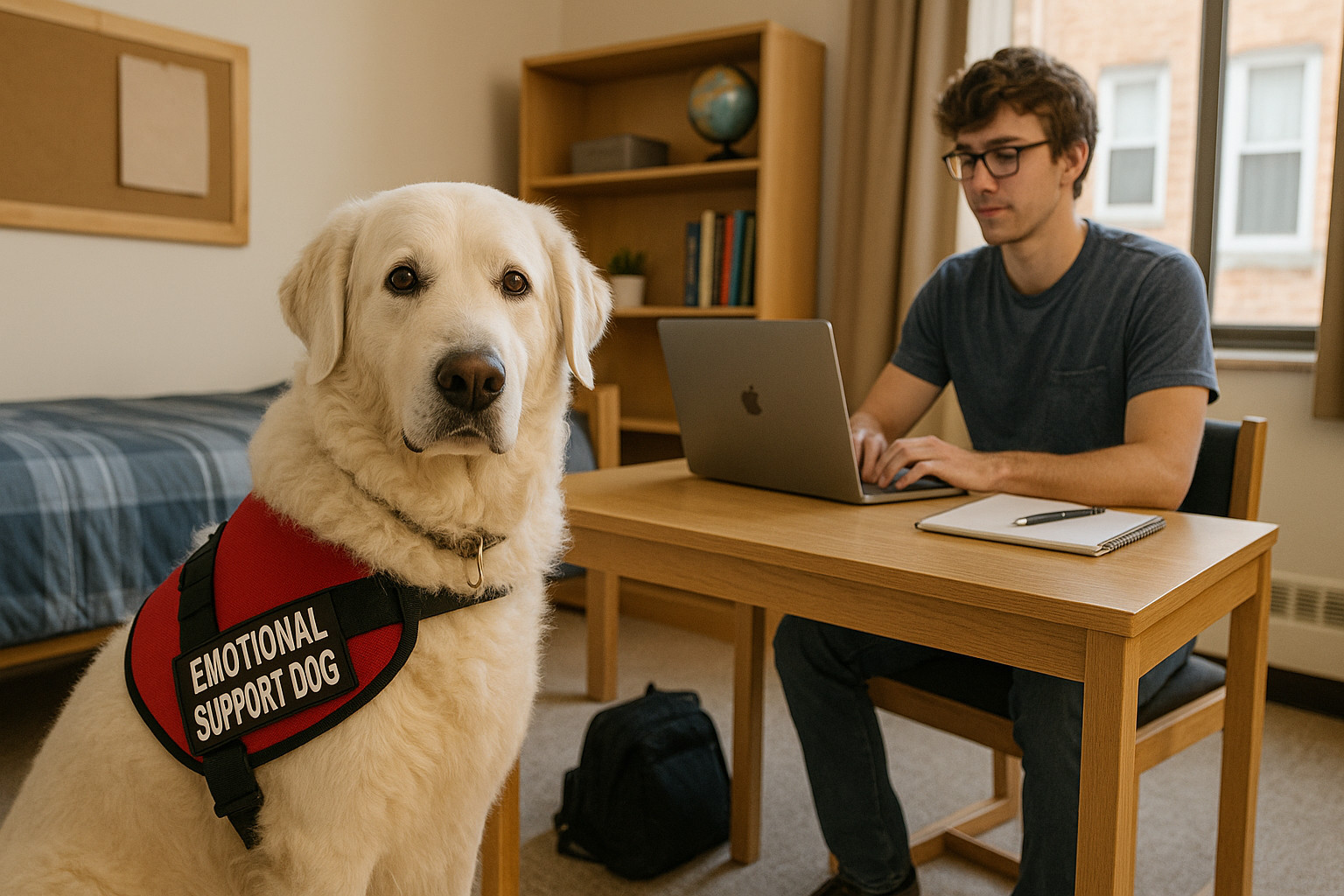
The Kuvasz, an elegant and devoted breed known for its protective instincts and intelligence, is increasingly being explored as a potential therapy dog. This article delves into the unique qualities of the Kuvasz, focusing on its suitability and challenges as a therapy animal.
Kuvasz as a Therapy Dog Overview
The Kuvasz, with its imposing size and keen-eyed watchfulness, may not be the first breed that comes to mind when thinking of therapy dogs. However, beneath its regal and sometimes aloof exterior lies a deeply sensitive and empathetic nature that can be remarkably effective in therapeutic settings.
Understanding the Therapy Dog Role
Therapy dogs provide comfort, support, and emotional relief to individuals in need. Their role is to foster a healing environment through companionship and sociable interactions. Unlike service or working dogs, therapy dogs do not perform specific tasks but instead offer unconditional affection and a calming presence.
Physical Appearance and Energy Level
The Kuvasz is a large breed, with a robust frame covered in a dense white coat. Physically imposing yet gentle, their appearance alone can be reassuring to many.
- Energy Level: Moderately high; they need regular exercise to maintain calmness in clinical settings.
- Physical Traits: Their strong build is balanced by a graceful gait, which can be soothing in environments like hospitals or clinics.
Personality and Emotional Intelligence
A Kuvasz’s temperament is notably protective, devoted, and sometimes independent, traits that complicate but can also enhance their role in therapy.
- Empathy and Sensitivity: They have a keen ability to read human emotions, often anticipating needs without prompt.
- Calmness: While playful, they exhibit a calm demeanor once their energy needs are met, making them suitable for therapy roles.
- Adaptability: Their independent nature might initially seem limiting, but it also allows them to handle stressful situations with poise.
Environments Where Kuvasz Excels
Kuvasz can excel in environments that benefit from their gentle firmness and attentive presence. Key environments include:
- Hospitals: Where their calm energy can comfort patients.
- Rehabilitation Centers: Where their strength and patience can inspire.
- Schools: Where their loving nature can help students with emotional or developmental needs.
Common Therapy Settings
Kuvasz can be particularly effective in specific therapy settings due to their natural skills.
Register Any Breed
- One-on-one Interactions: Ideal for patients who need focused attention.
- Group Settings: Their presence can command attention and instill calm, though they thrive with supervision to ensure they remain engaged and interactive.
Interactions with Different Populations
Kuvasz are known for their patience and composed nature, making interactions with various populations successful.
- Children: Generally gentle and protective, though supervision is advised due to their size.
- Elderly: Their steady nature comforts elderly individuals who seek consistent companionship.
- Individuals with PTSD or Anxiety: Their empathetic recognition of emotional distress can be grounding and comforting.
Health and Wellness Factors
Ensuring the health of therapy dogs is crucial to their effectiveness and safety during visits.
- Lifespan: Approximately 10-12 years, necessitating regular health checks to maintain longevity in therapy roles.
- Grooming Needs: Regular grooming is vital due to their thick coat, which can pose challenges in therapy settings if not maintained.
Lifespan and Common Health Issues
Understanding the breed’s potential health issues is vital for therapy roles:
- Common Health Problems: Include hip dysplasia and skin conditions, which can impact their activity and comfort during therapy visits.
- Preventive Care: Requires a balanced diet, regular exercise, and vet check-ups to manage health issues proactively.
Maintenance and Care Needs
Proper maintenance ensures their longevity and success as therapy animals.
- Grooming: Frequent grooming to prevent matting and maintain cleanliness for interaction.
- Exercise Requirements: Daily exercise is necessary to keep them calm and controlled during therapy sessions.
Training and Certification Readiness
Training for therapy certification requires understanding the Kuvasz’s learning style and responsiveness.
Learning Style and Responsiveness
- Intelligence: High intelligence makes them quick learners but requires consistent training to foster obedience.
- Patience in Training: Must focus on reinforcing positive behavior and redirecting their protectiveness towards therapeutic engagement.
Handling Social and Emotional Stimuli
Their ability to handle varying social and emotional stimuli makes them adept in therapy roles.
- Sensitivity to Emotions: Their keen emotional awareness allows them to respond appropriately to different stimuli.
- Socialization: Early and ongoing socialization is crucial to managing their independent nature.
Strengths, Limitations, and Ideal Roles for Kuvasz
- Strengths: Include sensitivity, devotion, and a calming presence.
- Limitations: Their size and independence can require additional management in therapy environments.
- Ideal Roles: Excel in settings where they can provide one-on-one or small group interactions, offering comfort and a sense of security.
Final Thoughts
The Kuvasz, with its unique blend of strength, sensitivity, and intelligence, can be a valuable therapy dog. Their capacity for empathy and calm presence particularly suit them to roles that involve offering emotional support and comfort, provided their energy needs are met and proper training is undertaken.
Key Takeaways for the Kuvasz as a Therapy Dog
- Best suited for: Hospitals, rehabilitation centers, and schools where their calming presence is valued.
- Not ideal for: Very small children or environments requiring high immediate obedience without prior training.
- Temperament highlights: Empathetic, protective, calm when exercised adequately.
- Care and health notes: Regular grooming and health checks are essential.
- Therapy environments where they shine: One-on-one settings, group therapy with supervision, settings requiring independent interaction and presence.


-
Public Access Kits
$149.00 Learn more This product has multiple variants. The options may be chosen on the product page -
Quick Ship Premium Vests
$48.00 – $82.00 Learn more This product has multiple variants. The options may be chosen on the product page -
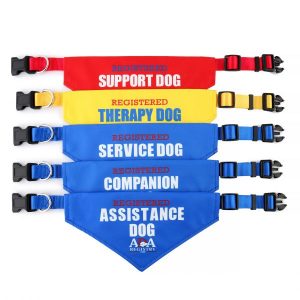
Service Dog Bandana
$39.95 Learn more This product has multiple variants. The options may be chosen on the product page

Custom ID Cards

Custom ID Cards
Custom Service Dog Tags
Official Dog Vests

Smart Vests
Official Public Access Kits
Complete Kits
USA & CANADA Letters

High Quality Bandanas
Service Dog Tags
Smart Tags

ESA TAGS