Miniature Bull Terrier as a Therapy Dog
Register Any Breed
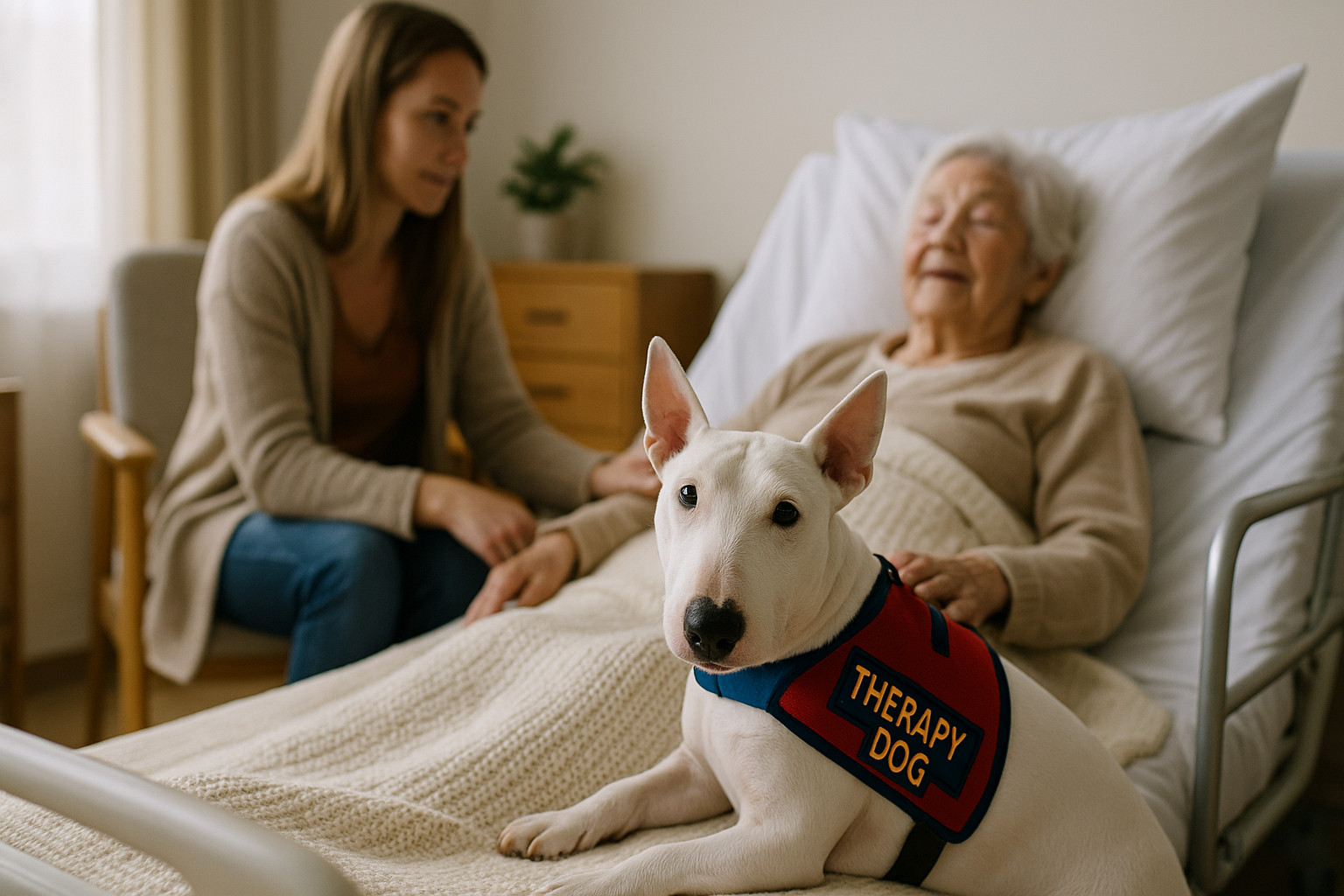
The Miniature Bull Terrier, with its compact size and distinctive charm, has become an intriguing option for those looking to contribute to therapy environments. Known for their playful yet affectionate nature, these dogs can potentially bring joy and comfort to many vulnerable individuals. Let’s explore how their temperament, emotional intelligence, and physical characteristics make them a suitable fit for therapy roles.
Miniature Bull Terrier as a Therapy Dog Overview
Understanding the Therapy Dog Role
Therapy dogs provide comfort, support, and companionship to individuals in hospitals, nursing homes, schools, and other settings. They are not service dogs trained for specific tasks but offer emotional support simply through their presence and affection. A successful therapy dog is gentle, patient, and responsive to emotional cues, making the Miniature Bull Terrier's traits noteworthy for this role.
Physical Appearance and Energy Level
Miniature Bull Terriers, characterized by their muscular build and distinctive egg-shaped head, possess an energetic demeanor. With a height of around 10–14 inches and weighing between 20–35 pounds, their size allows them to navigate crowded or confined spaces, an advantage in settings like hospitals or classrooms.
Their moderate energy level suits therapy work, as they can engage actively without becoming disruptive. Regular exercise keeps them calm and balanced, essential qualities for therapy environments. They thrive in environments where structured activity and rest are balanced, making them adaptable to varied therapy settings.
Personality and Emotional Intelligence
The Miniature Bull Terrier is renowned for its playful and affectionate nature. With high emotional intelligence, they can perceive human emotions, responding with comfort and companionship. This breed typically exhibits:
- Empathy: Often senses human emotions, providing comfort through presence.
- Adaptability: Adjusts well to different environments and routines, crucial for therapy visits.
- Affection: Demonstrates a genuine fondness for human interaction, enhancing therapy relationships.
These qualities make them particularly effective in roles where gentle and consistent interaction is required.
Environments Where Miniature Bull Terrier Excels
Miniature Bull Terriers can thrive in diverse environments due to their adaptability and sociable nature. They excel in settings that allow for interactive sessions, including:
Register Any Breed
- Schools and Educational Programs: Their playful nature engages children and encourages interaction and learning.
- Hospitals and Rehabilitation Centers: Their empathy and warmth provide solace in stressful environments.
- Mental Health Facilities: The emotional support and companionship they offer can aid those experiencing emotional distress.
Common Therapy Settings
The breed excels in both quiet and bustling environments. In calm settings like libraries or serene hospital rooms, they offer tranquility. Simultaneously, their energetic disposition shines during interactive school sessions or community events. This flexibility aids in creating a comfortable atmosphere for those they visit.
Interactions with Different Populations
Miniature Bull Terriers exhibit versatility in engaging with a broad demographic:
- Children: Their playful nature fosters engagement, making them excellent companions for pediatric care or educational settings.
- Elderly Individuals: The gentle presence and affectionate behavior of Miniture Bull Terrier help bring comfort and joy.
- Individuals with Disabilities: Patience and mild temperament allow them to connect and support various therapy needs.
Their ability to modulate exuberance according to the audience makes them valuable therapy companions across age groups.
Health and Wellness Factors
Maintaining health and wellness is crucial for therapy dogs to ensure safety and comfort during visits. Miniature Bull Terriers benefit from consistent veterinary care and a balanced diet to sustain their active lifestyle.
Lifespan and Common Health Issues
Typically, they live between 11–14 years. Regular check-ups are vital for early detection and management of any health issues. Known conditions that could affect their therapy roles include:
- Deafness: Early detection and management are key to accommodating affected dogs.
- Skin Allergies: Regular grooming and a healthy diet can mitigate this issue.
- Eye Disorders: Routine checks ensure early intervention to maintain quality of life.
Understanding these health considerations helps ensure Miniature Bull Terriers remain fit and comfortable during their therapy engagements.
Maintenance and Care Needs
Miniature Bull Terriers have short coats that require minimal grooming, but regular brushing helps reduce shedding and maintain coat health. Routine exercise is essential to keep their energy levels balanced, critical for maintaining a calm demeanor in therapy settings.
Training and Certification Readiness
Due to their intelligence and desire to please, Miniature Bull Terriers respond well to positive reinforcement training, essential for therapy certification. Key training elements include:
- Basic Obedience: Ensures they respond reliably to commands, essential in controlled settings.
- Socialization: Exposes them to different environments and people, improving adaptability and confidence.
- Emotional Resilience: Builds tolerance for different stimuli and interactions without distress.
These training aspects prepare them for certification and effective therapy work.
Learning Style and Responsiveness
Miniature Bull Terriers are intelligent, capable learners. They respond best to:
- Consistent Training Routines: Repetitive, gentle reinforcement aids learning.
- Interactive Sessions: Engage their interest and enhance focus.
- Positive Reinforcement: Rewards-based methods promote good behavior and ensure a lasting impact.
Their responsiveness makes them a delight to train, increasing their readiness for therapy roles.
Handling Social and Emotional Stimuli
Their natural curiosity and sociability provide an advantage in therapy settings where diverse stimuli are present. They can discern emotional cues and adjust their behavior accordingly, offering tailored comfort to individuals they visit.
Strengths, Limitations, and Ideal Roles for Miniature Bull Terrier
Strengths:
- Emotionally intelligent and responsive, providing tailored emotional support.
- Compact size and adaptability fit well in various therapy environments.
- Loyal and affectionate nature develops robust therapeutic relationships.
Limitations:
- Can be stubborn; requires consistent, patient training.
- Moderate energy level needs regular management to prevent restlessness.
Ideal Roles:
- Interactive educational programs with children and young adults.
- Supportive roles in mental health and rehabilitation settings.
- Companionship in elderly care facilities, offering warmth and interaction.
Final Thoughts
The Miniature Bull Terrier's unique characteristics, such as emotional intelligence, adaptability, and sociable nature, position them as effective therapy dogs. While they require consistent training and care, their potential to offer comfort and companionship across various settings can profoundly impact individuals and communities alike.
Key Takeaways for the Miniature Bull Terrier as a Therapy Dog
- Best suited for: Interactive educational settings, mental health facilities, and elderly care.
- Not ideal for: Environments requiring prolonged low-energy or quiet demeanor.
- Temperament highlights: Energetic, affectionate, adaptable.
- Care and health notes: Requires regular exercise and grooming for optimal health.
- Therapy environments where they shine: Schools, hospitals, and community engagement programs.
This guide aims to provide a comprehensive understanding of the Miniature Bull Terrier as a therapy dog, helping trainers and healthcare professionals consider them for their therapy programs.


-
Public Access Kits
$149.00 Learn more This product has multiple variants. The options may be chosen on the product page -
Quick Ship Premium Vests
$48.00 – $82.00 Learn more This product has multiple variants. The options may be chosen on the product page -
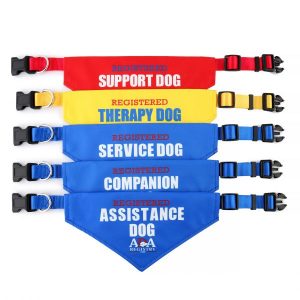
Service Dog Bandana
$39.95 Learn more This product has multiple variants. The options may be chosen on the product page
Custom ID Cards

Custom ID Cards
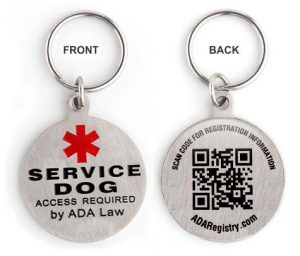
Custom Service Dog Tags
Official Dog Vests
Smart Vests
Official Public Access Kits
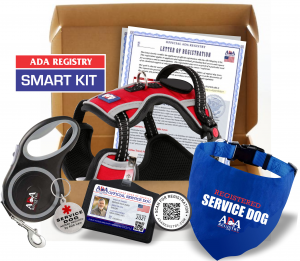
Complete Kits
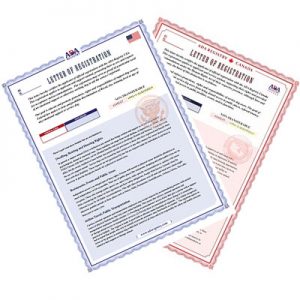
USA & CANADA Letters
High Quality Bandanas
Service Dog Tags
Smart Tags

ESA TAGS