Norfolk Terrier as a Therapy Dog
Register Any Breed
Norfolk Terrier as a Therapy Dog Overview
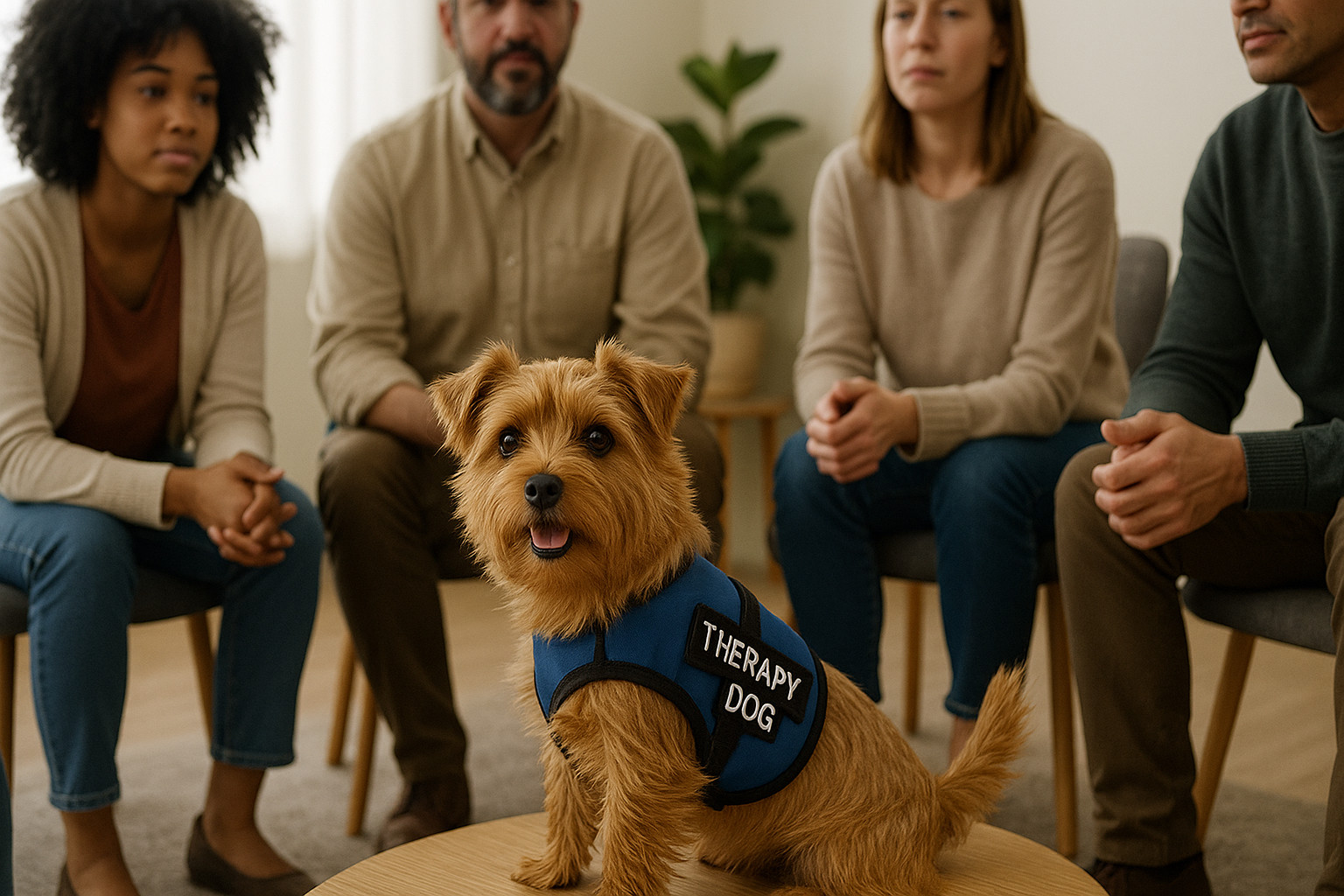
The Norfolk Terrier, with its compact size and lively demeanor, finds a special place in the realm of therapy dogs. Renowned for its zestful personality and affectionate nature, the Norfolk Terrier can make a remarkable difference in therapeutic settings, providing emotional support and joy to those in need. This article delves into the multifaceted role of Norfolk Terriers as therapy dogs and explores the characteristics that make them suitable for this noble role.
Understanding the Therapy Dog Role
Therapy dogs are not just pets; they are trained companions that offer emotional support and comfort to individuals in a variety of settings. Their role is to engage with people, reducing stress and providing uplifting interactions. The Norfolk Terrier's innate curiosity and friendly disposition make it a potential candidate for therapy work.
- Temperamental Suitability: Norfolk Terriers are known for their even temperament. They possess a unique blend of playfulness and calmness, which allows them to respond well to different emotional needs.
- Empathy and Emotional Intelligence: These terriers are often described as intuitive, sensing the emotions of people around them and adapting their behavior accordingly.
In therapy settings, their role isn't just to offer companionship but also to participate actively in sessions aimed at emotional healing.
Physical Appearance and Energy Level
The Norfolk Terrier is a small yet sturdy breed, typically weighing between 11 to 12 pounds and standing a mere 9 to 10 inches tall. Their compact size makes them ideal for settings where a larger dog might be impractical or intimidating.
- Size Benefits: Their size allows them to comfortably sit on laps or cuddle beside individuals, providing a sense of closeness and warmth.
- Energy Levels: While they possess a considerable amount of energy, their exercise needs are manageable, making them adaptable to various environments without requiring extensive physical activity.
This balance of size and energy means they can effectively engage in therapy activities without overpowering the individuals they are meant to support.
Personality and Emotional Intelligence
Norfolk Terriers are characterized by their outgoing, friendly nature. Their primary attributes include intelligence, bravery, and a curiosity that encourages interaction with their surroundings.
- Adaptability: They are highly adaptable, which is crucial in therapy settings where each session may present new challenges and environments.
- Social Interaction: These dogs are social by nature, often eager to engage with both familiar and unfamiliar individuals, making them excellent companions in social therapy contexts.
Their ability to read human emotion and respond appropriately enhances their effectiveness as therapy animals, providing joy and comfort where needed.
Register Any Breed
Environments Where Norfolk Terrier Excels
Inclusivity and adaptability are key strengths of the Norfolk Terrier in therapy roles. They thrive in several therapy environments:
- Hospitals: Their small size and friendly demeanor allow them to move easily through hospital corridors, greeting patients and staff.
- Schools: Their playful nature makes them excellent in educational settings where interaction with children can aid in therapy.
- Rehabilitation Centers: Thanks to their energetic yet manageable disposition, they provide motivation and companionship to individuals undergoing rehabilitation.
In these environments, their presence aids in reducing anxiety and facilitating a more positive atmosphere.
Common Therapy Settings
Norfolk Terriers make ideal therapy dogs in a variety of settings due to their temperament and adaptability.
- Nursing Homes: Offering companionship to the elderly, their presence can alleviate loneliness and improve mood.
- Veterans’ Therapy Programs: Their lively and affectionate nature can ease stress and encourage social interaction among veterans.
- Mental Health Clinics: Their therapeutic presence can significantly help individuals dealing with mental health challenges by offering unconditional support and understanding.
Their role in these environments is to provide comfort, reduce stress, and encourage interaction through their warm presence and affectionate nature.
Interactions with Different Populations
The Norfolk Terrier's versatility shines in its ability to interact positively with diverse groups of people.
- Children: Their playful nature and gentle temperament make them particularly suitable for interacting with children, promoting joy and engagement.
- Elderly: Their calm demeanor provides comfort to the elderly, offering companionship and emotional support.
- Individuals with Disabilities: Their understanding and patient nature make them well-suited for therapy with individuals requiring gentle interaction and encouragement.
Their interactions are characterized by an understanding of personal space and an intuition for the emotional needs of individuals, making every session beneficial.
Health and Wellness Factors
A therapy dog’s health is paramount for effective performance in therapy settings. The Norfolk Terrier generally enjoys robust health, yet there are considerations to keep in mind.
- Lifespan: Typically, they live 12 to 15 years, providing a long-term companion for therapy purposes.
- Common Health Issues: Potential health concerns include hip dysplasia and heart murmurs, but with regular veterinary check-ups, these can be managed.
Ensuring their health is optimal allows them to perform their therapy duties effectively and without interruption.
Lifespan and Common Health Issues
Holistically understanding the health and wellness of Norfolk Terriers is vital for their therapy role.
- Health Management: Regular check-ups and a balanced diet help maintain their health. Attention must be paid to dental hygiene and eye care.
- Exercise Needs: Although energetic, short daily walks and play sessions are sufficient to keep them healthy without overwhelming their handlers or their therapy commitments.
Proper care ensures their ability to serve as therapy dogs over the years, providing consistent support and companionship.
Maintenance and Care Needs
Caring for a Norfolk Terrier involves regular maintenance to ensure they remain comfortable and effective in their therapy role.
- Grooming: Their wiry coat requires weekly brushing to minimize shedding and maintain hygiene.
- Nutritional Needs: A balanced diet rich in protein and essential nutrients supports their well-being and energy levels.
Meeting these care needs ensures they look and feel their best, ready to provide optimal support in therapy settings.
Training and Certification Readiness
Training plays a crucial role in preparing Norfolk Terriers for therapy work. Given their intelligence and eagerness to learn, they respond well to positive reinforcement techniques.
- Initial Training: Basic obedience training is essential to ensure they follow commands reliably.
- Advanced Socialization: Exposure to various environments and people enhances their ability to handle different therapy activities.
Certification readiness hinges on their temperament and responsiveness to training, paving the way for successful therapy interaction.
Learning Style and Responsiveness
Norfolk Terriers are quick learners, characterized by their eagerness to please.
- Training Techniques: Positive reinforcement and consistent training methods work best.
- Responsive Nature: Their willingness to engage makes them highly trainable for therapy tasks, helping them understand cues and expectations effectively.
Their responsiveness ensures they can be involved in diverse therapy roles, meeting the needs of various settings and populations.
Handling Social and Emotional Stimuli
Handling stimuli effectively is crucial in therapy settings, and the Norfolk Terrier excels through its balanced temperament.
- Sensitivity: They exhibit sensitivity to emotional stimuli, adapting their behavior to comfort those around them.
- Social Cues: Their understanding of social cues makes them adept at engaging with people, providing warmth and companionship.
This ability to navigate social and emotional stimuli enhances their effectiveness in providing therapeutic support.
Strengths, Limitations, and Ideal Roles for Norfolk Terrier
While Norfolk Terriers possess various strengths, they also have limitations that should be considered.
- Strengths: Their adaptability, friendly nature, and intelligence make them suitable for numerous therapy settings.
- Limitations: Their small size may not be ideal for patients who need physical support; however, they excel in roles requiring emotional comfort.
By understanding their strengths and limitations, handlers can place them in roles where they can make the most impact.
Final Thoughts
The Norfolk Terrier, with its lively personality and compassionate nature, can provide unparalleled emotional support and interaction in therapy settings. Their size, temperament, and adaptability make them perfect candidates for bringing joy and relief to people in need. However, understanding their specific care and health needs ensures that their therapeutic capabilities are maximized, benefitting both the handler and those they serve.
Key Takeaways for the Norfolk Terrier as a Therapy Dog
- Best suited for: Environments requiring emotional interaction and comfort, such as hospitals, schools, and nursing homes.
- Not ideal for: Roles requiring physical support or environments with excessive noise due to their size and sensitive nature.
- Temperament highlights: Affectionate, adaptable, intelligent, and responsive.
- Care and health notes: Regular grooming, dental care, and balanced nutrition are critical.
- Therapy environments where they shine: Hospitals, mental health clinics, schools, and veterans’ therapy programs.
In essence, the Norfolk Terrier proves to be an exceptional therapy dog, providing warmth, comfort, and emotional support across various settings and populations through its innate charm and compassion.


-
Public Access Kits
$149.00 Learn more This product has multiple variants. The options may be chosen on the product page -
Quick Ship Premium Vests
$48.00 – $82.00 Learn more This product has multiple variants. The options may be chosen on the product page -
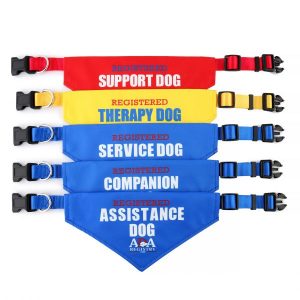
Service Dog Bandana
$39.95 Learn more This product has multiple variants. The options may be chosen on the product page
Custom ID Cards

Custom ID Cards
Custom Service Dog Tags
Official Dog Vests

Smart Vests
Official Public Access Kits
Complete Kits
USA & CANADA Letters
High Quality Bandanas
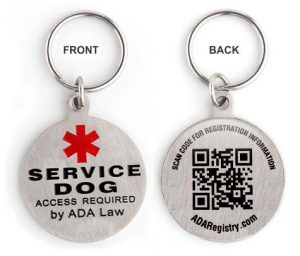
Service Dog Tags
Smart Tags

ESA TAGS