Parson Russell Terrier as a Therapy Dog
Register Any Breed
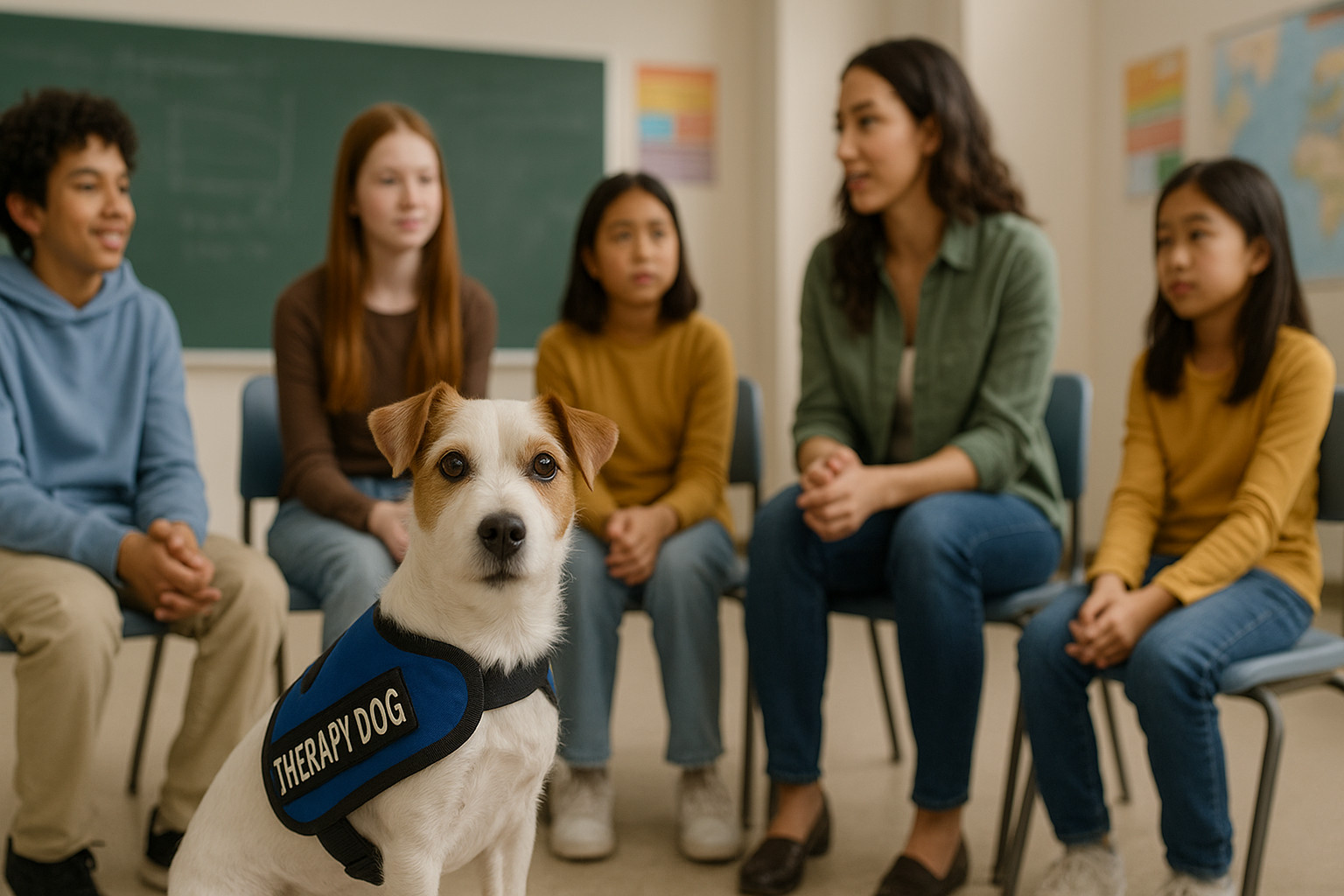
The Parson Russell Terrier, renowned for its energetic persona and intelligent demeanor, stands out as a potential candidate for therapy roles. Therapy dogs provide comfort and emotional support across diverse settings, and understanding a breed's suitability for such tasks is crucial. This article delves into the characteristics of the Parson Russell Terrier that make it an intriguing prospect for therapy dog work.
Parson Russell Terrier as a Therapy Dog Overview
Parson Russell Terriers are lively, spirited dogs with an innate curiosity and intelligence. These traits, coupled with their social and vivacious nature, can contribute positively to therapeutic environments. Yet, to deploy them effectively, understanding their breed-specific traits in the context of therapy is vital.
Understanding the Therapy Dog Role
Therapy dogs are trained to offer emotional support and comfort in environments like hospitals, schools, and rehabilitation centers. Unlike service dogs, which perform specific tasks for individuals with disabilities, therapy dogs interact with various people, providing general support through their presence and demeanor. The role demands a calm temperament, adaptability, and an ability to remain composed around unfamiliar stimuli.
Physical Appearance and Energy Level
Parson Russell Terriers are small to medium-sized dogs, typically standing 12-15 inches at the shoulder. They possess a robust, agile frame with a predominantly white coat, marked with black, tan, or tri-color. Their compact size is advantageous in maneuvering around tight spaces often found in therapy settings such as hospital rooms or crowded classrooms.
Their high energy levels require careful management to prevent restlessness during therapy sessions. When properly exercised, these Terriers can exhibit the calm and focus needed for effective interaction. Regular, intensive play and exercise routines help channel their energy positively, making them attentive and engaged therapists when needed.
Personality and Emotional Intelligence
Parson Russell Terriers are known for their assertiveness and confidence. These dogs boast high emotional intelligence, allowing them to sense and respond to human emotions naturally. Their lively personality can lift spirits and create an engaging interaction with patients, vital for therapy roles aiming to foster positive emotional responses.
While their independent streak might seem challenging, it also underpins their ability to assess situations and react appropriately. The key is to harness their natural alertness and curiosity, channeling it into empathetic interactions rather than distractions.
Register Any Breed
Environments Where Parson Russell Terrier Excels
The Parson Russell Terrier's flexibility allows it to adapt to various environments. Their affable, outgoing nature makes them particularly suited to dynamic settings where they can engage with individuals in group activities. Here are a few environments where they typically excel:
- Schools: Their lively disposition combined with patience makes them ideal for interacting with children, providing comfort and encouraging focus in students.
- Rehabilitation Centers: Their engagement promotes motivation and interaction, essential in physical and mental health recoveries.
- Hospitals: The Terrier's compact size and nimble agility allow easy navigation through confined spaces, while their cheerfulness brings joy to patients and staff.
Common Therapy Settings
Parson Russell Terriers thrive in settings that amalgamate structure with ample opportunity for social interaction. Some common therapy settings where they flourish include:
- Group Therapy Sessions: Their energetic engagement helps stimulate reluctant participants.
- Elderly Care Facilities: Their vibrant persona offers companionship and entertainment, boosting moods and providing mental stimulation for residents.
- Pediatric Units: Children respond to their playful nature, which can be particularly comforting in stressful hospital environments.
Interactions with Different Populations
A Parson Russell Terrier's interactions with various populations leverage their innate friendliness and vibrancy:
- Children: They form quick bonds due to their playfulness, simultaneously teaching patience and empathy.
- Elderly: They provoke smiles and encourage movement, offering comfort through simple companionship.
- Patients with Mental Health Challenges: Their intuitive nature aids in recognizing emotional distress, providing calming presence and emotional support.
Health and Wellness Factors
Ensuring the health and wellness of a Parson Russell Terrier is paramount when engaging in therapy work. A healthy dog performs more reliably and offers higher quality interactions.
Lifespan and Common Health Issues
The average lifespan of a Parson Russell Terrier is between 13 and 15 years. Like all breeds, they are predisposed to certain health conditions that can impact their therapy work, including:
- Patellar Luxation: This affects mobility, which can limit their activity in therapy sessions.
- Lens Luxation: Eye issues may hinder their ability to navigate environments effectively.
- Atopic Dermatitis: This skin condition can be exacerbated by frequent human interaction, necessitating vigilant grooming routines.
Maintenance and Care Needs
Proper care is essential to prepare a Parson Russell Terrier for therapy roles:
- Grooming: Regular brushing to maintain coat health and minimize shedding.
- Exercise: Daily activities to temper their high energy, aiding in improved focus and calm in therapy settings.
- Diet and Nutrition: A balanced diet contributes to overall health and vitality, essential for long-term therapy work.
Training and Certification Readiness
Training Parson Russell Terriers for therapy certification requires efforts aligned with patience and positive reinforcement methods. Their intelligence and willingness to learn enable effective training; however, their occasional stubbornness necessitates consistent, kind guidance.
Learning Style and Responsiveness
These Terriers are quick learners. Training sessions should be structured yet flexible to suit their attention spans. Incorporating games and interactive learning can boost their enthusiasm and help cement commands crucial for therapy certification.
Handling Social and Emotional Stimuli
Parson Russell Terriers can be highly responsive to social cues, making them adept at providing tailored emotional support. Their sensitive nature allows them to detect changes in human emotions, yet their spirited demeanor provides balanced interactions ensuring that they remain engaging and supportive.
Strengths, Limitations, and Ideal Roles for Parson Russell Terrier
- Strengths: High energy, adaptability, emotional intelligence, and sociability in diverse settings
- Limitations: Requires rigorous exercise to prevent restlessness, prone to certain health issues
- Ideal Roles: Engaging elementary students, emotional support in rehabilitation, and companion animals in eldercare settings
Final Thoughts
The Parson Russell Terrier offers incredible potential as a therapy dog due to its intelligence, emotional astuteness, and social nature. While the breed demands specific care and training attention, its capacity to uplift and engage individuals in various environments is unparalleled.
Key Takeaways for the Parson Russell Terrier as a Therapy Dog
- Best suited for: Schools, rehabilitation centers, and group therapy sessions
- Not ideal for: Extremely high-stress environments requiring prolonged inactivity
- Temperament highlights: Energetic, intelligent, empathetic, and engaging
- Care and health notes: Regular grooming and exercise, vigilant health checks for common breed-specific conditions
- Therapy environments where they shine: Institutions focusing on children and elderly care settings
The Parson Russell Terrier's blend of intelligence, energy, and empathy makes it a potentially excellent candidate for various therapy roles. Proper training and care are crucial to channel its vigor into meaningful therapy work, enriching the lives of those it visits.


-
Public Access Kits
$149.00 Learn more This product has multiple variants. The options may be chosen on the product page -
Quick Ship Premium Vests
$48.00 – $82.00 Learn more This product has multiple variants. The options may be chosen on the product page -
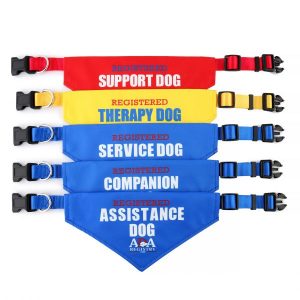
Service Dog Bandana
$39.95 Learn more This product has multiple variants. The options may be chosen on the product page
Custom ID Cards

Custom ID Cards
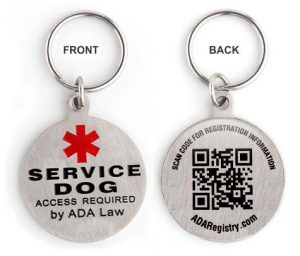
Custom Service Dog Tags
Official Dog Vests
Smart Vests
Official Public Access Kits
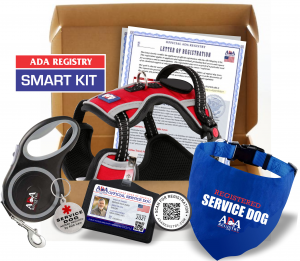
Complete Kits
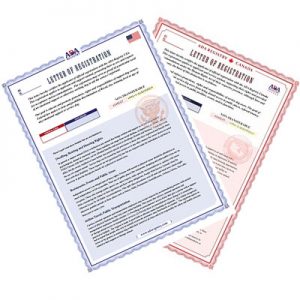
USA & CANADA Letters
High Quality Bandanas
Service Dog Tags
Smart Tags

ESA TAGS