Plott Hound as a Therapy Dog
Register Any Breed
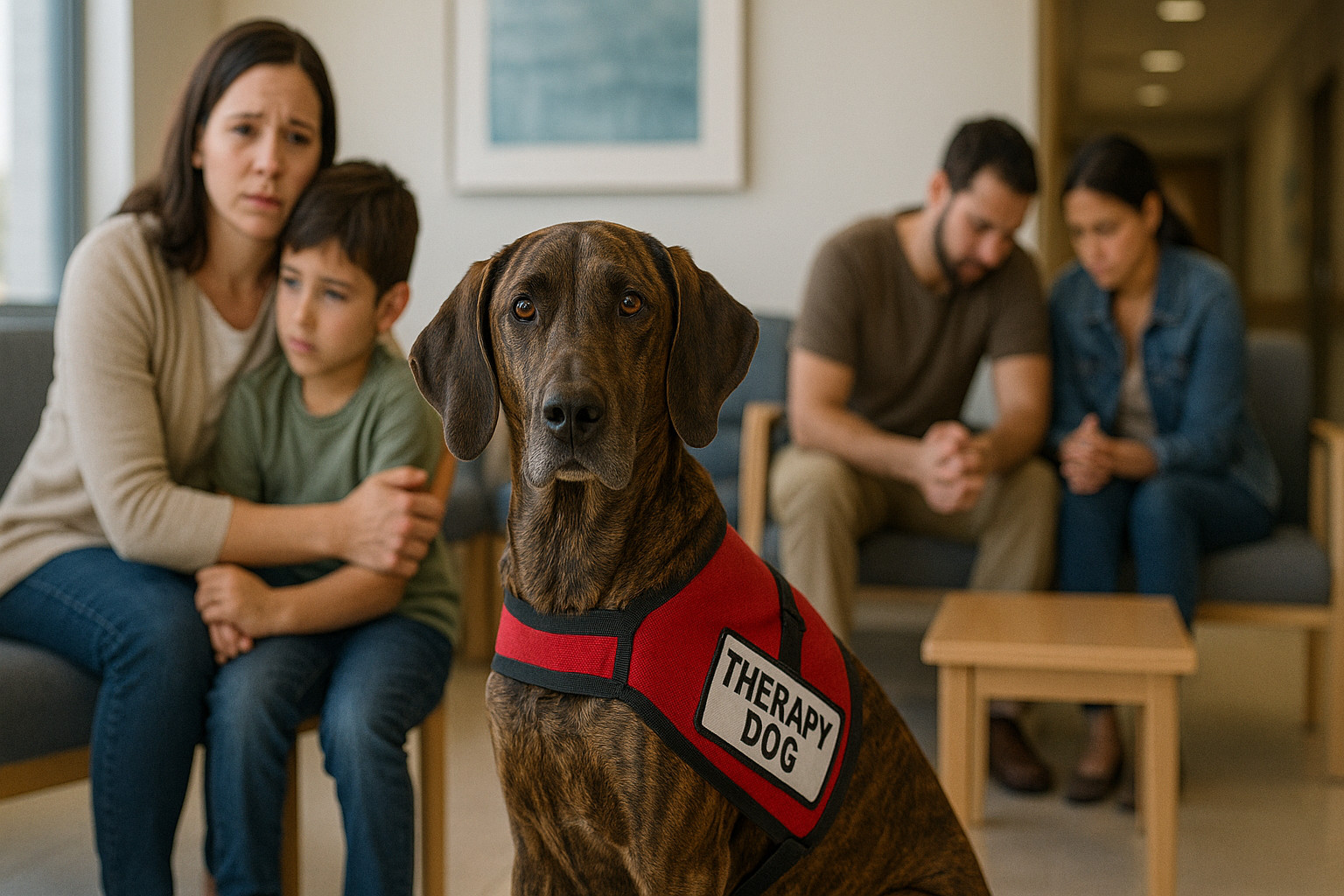
The Plott Hound, originally known for its hunting prowess, is gaining popularity in therapeutic roles due to its exceptional temperament and intelligence. While their historical purpose may seem distant from therapy work, their innate characteristics can make them surprisingly apt for providing comfort and assistance in various settings.
Plott Hound as a Therapy Dog Overview
Plott Hounds are recognized for their versatility. Beyond their physical abilities, they possess a unique mix of empathy, intelligence, and adaptability, making them potential candidates for therapy dog roles. This article delves into how the Plott Hound's traits align with therapy work demands.
Understanding the Therapy Dog Role
Therapy dogs contribute to emotional healing and offer companionship to people in hospitals, nursing homes, schools, and therapeutic environments. They provide a non-judgmental presence that can ease anxiety and uplift spirits. Successful therapy dogs exhibit calmness, gentleness, and the ability to respond appropriately to different emotional states.
Physical Appearance and Energy Level
The Plott Hound is a medium to large, muscular dog with a smooth coat and an athletic build. Known for their endurance and high energy levels due to their hunting lineage, these dogs can adapt this energy in a therapeutic context, engaging clients in gentle physical activities.
- Exercise needs require careful consideration because they thrive on physical activity.
- Body language such as a relaxed tail and friendly eyes can be comforting to clients.
Personality and Emotional Intelligence
Plott Hounds are known for their loyalty and intelligence. They form strong bonds with their handlers, which is vital in therapy settings. Emotional intelligence plays a crucial role, allowing them to sense shifts in mood or stress levels and respond appropriately.
- Empathy and sensitivity to human emotions enhance their effectiveness in personal interactions.
- Dedication to handler guidance ensures they remain focused during therapy sessions.
Environments Where Plott Hound Excels
The Plott Hound's adaptability makes it suitable for a wide range of therapy environments.
- Hospitals and clinics, where their calm demeanor can soothe patients.
- Educational settings, where they can provide emotional support to children.
- Rehabilitation centers, where their energy can encourage physical recovery activities.
Common Therapy Settings
Therapeutic settings include:
Register Any Breed
- Elderly care facilities
- Mental health facilities
- Pediatric hospitals
In these settings, Plott Hounds offer presence, patience, and companionship, catering to diverse therapeutic needs.
Interactions with Different Populations
Plott Hounds can interact well with various age groups, from children to the elderly. Their natural curiosity and gentle approach make them ideal partners for child therapy, while their patience and steadiness are appreciated by older adults.
- Children benefit from the breed’s playfulness and gentle interactions.
- Elderly patients gain from their calm presence and ability to follow guidance.
Health and Wellness Factors
Ensuring a Plott Hound's health is crucial for therapy work.
- Regular health check-ups to manage common hound ailments like hip dysplasia.
- Diet and exercise tailored to maintain optimal weight and energy levels.
- Grooming practices to keep their short coat clean and reduce allergens.
Lifespan and Common Health Issues
Plott Hounds generally live 12-14 years, a good span for therapeutic consistency. Health issues that could impede their deployment include ear infections and potentially hereditary diseases.
- Routine veterinary care can mitigate common health concerns.
- Awareness of genetic conditions through breed-specific screenings enhances longevity and quality health.
Maintenance and Care Needs
To maximize their potential in therapy roles, meeting the Plott Hound's maintenance needs is essential.
- Grooming involves regular brushing and occasional baths to keep allergens at bay.
- Routine exercise is critical to manage their high energy.
Training and Certification Readiness
Training Plott Hounds for therapy roles involves socialization and specialized command training. Their intelligence makes them responsive to:
- Basic obedience and consistent commands for reliable interactions.
- Therapy-specific behaviors, enhancing their utility in therapeutic contexts.
Learning Style and Responsiveness
Plott Hounds benefit from positive reinforcement and short, engaging training sessions.
- Consistency and patience are key, as they can sometimes showcase independence from their hunting ancestry.
- Adapting training tactics based on their learning pace ensures success.
Handling Social and Emotional Stimuli
- Well-suited for variable social settings, balancing approachability with respect.
- Competent at discerning emotional cues, allowing them to adjust interactions subtly for each individual.
Strengths, Limitations, and Ideal Roles for Plott Hound
Strengths:
- Excellent emotional insight and adaptability.
- High endurance for extended therapeutic visits.
Limitations:
- Require exercise to prevent restlessness.
- Careful socialization is needed to ensure calmness in diverse environments.
Final Thoughts
The Plott Hound stands out for its blend of intelligence and compassion, essential for therapy work. They thrive in environments demanding both sensitivity and stamina, adapting gracefully to individual client needs. Given their robust health and enduring spirit, they can bring significant joy and healing to various therapy settings.
Key Takeaways for the Plott Hound as a Therapy Dog
- Best suited for: Hospitals, rehabilitation centers, educational settings.
- Not ideal for: Highly sedentary environments without structured activities.
- Temperament highlights: Empathetic, loyal, adaptable to varied emotional contexts.
- Care and health notes: Requires regular exercise, grooming, and health check-ups.
- Therapy environments where they shine: Hospitals, mental health facilities, and schools.
This evidence-based review highlights the potential of Plott Hounds as effective therapy dogs, emphasizing their capability to enhance emotional and physical well-being in various therapeutic settings.


-
Public Access Kits
$149.00 Learn more This product has multiple variants. The options may be chosen on the product page -
Quick Ship Premium Vests
$48.00 – $82.00 Learn more This product has multiple variants. The options may be chosen on the product page -
Service Dog Bandana
$39.95 Learn more This product has multiple variants. The options may be chosen on the product page
Custom ID Cards

Custom ID Cards
Custom Service Dog Tags
Official Dog Vests
Smart Vests
Official Public Access Kits
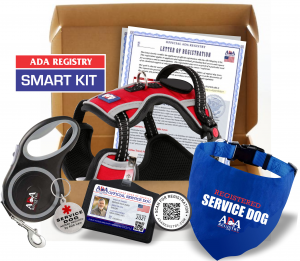
Complete Kits
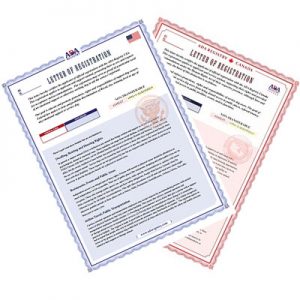
USA & CANADA Letters
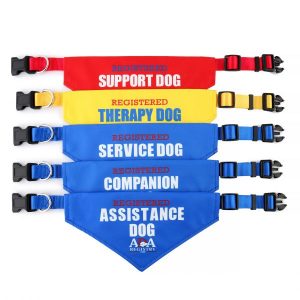
High Quality Bandanas
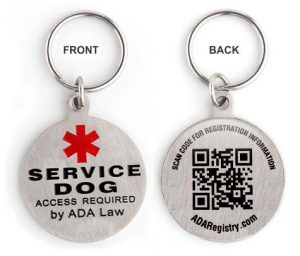
Service Dog Tags
Smart Tags
ESA TAGS