Poodle as a Therapy Dog
Register Any Breed
Poodle as a Therapy Dog Overview
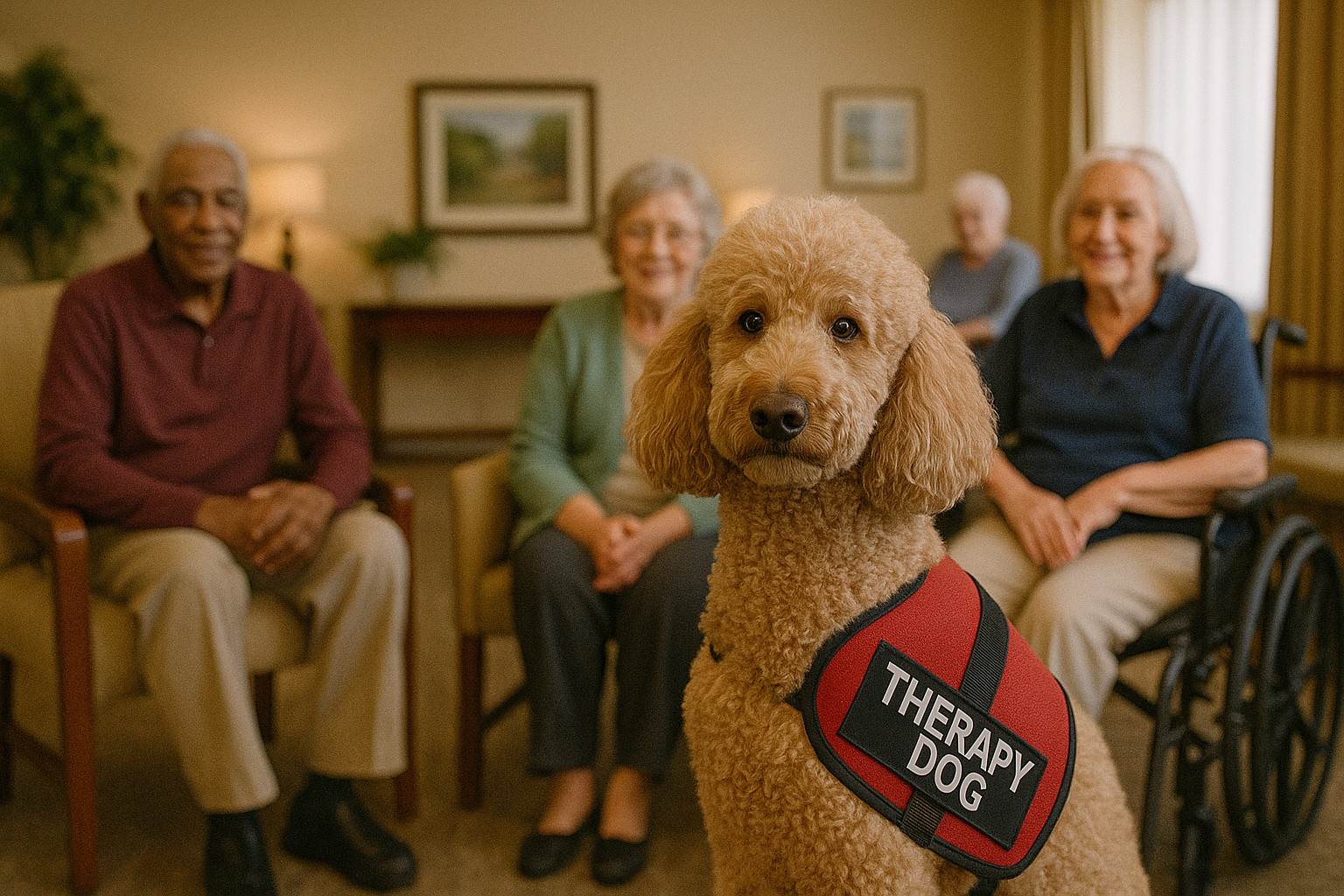
Poodles, with their elegant appearance and remarkable intelligence, have shown exceptional potential as therapy dogs. Their versatility across different settings and populations makes them a favorite choice among therapy dog professionals. In this guide, we will explore the attributes that make Poodles stand out in the realm of therapy work, addressing their temperament, adaptability, and trainability, as well as their unique care and health requirements needed to maintain their role as effective therapy companions.
Understanding the Therapy Dog Role
Therapy dogs play a pivotal role in enhancing emotional well-being and providing comfort to individuals across various environments. Unlike service dogs, whose roles are more task-oriented, therapy dogs provide emotional support and a calming presence. Poodles, with their empathetic nature and sociability, excel in this role. Their ability to read human emotions and offer unconditional affection makes them particularly suited to help individuals experiencing stress, anxiety, or depression.
Physical Appearance and Energy Level
Poodles come in three sizes: Standard, Miniature, and Toy, each with a graceful stance and a hypoallergenic coat that is beneficial in clinical settings. Their medium to high energy levels equip them to engage enthusiastically in interactive therapy sessions while their non-shedding coats reduce allergens, making them an excellent choice for environments where cleanliness and allergy considerations are paramount.
Personality and Emotional Intelligence
Poodles are renowned for their intelligence and emotional sensitivity. Their keen intuition enables them to sense the emotional states of those around them, allowing for adaptive interactions that suit each individual's needs. Their cheerful demeanor, combined with a calm presence, allows them to form quick connections with people, promoting trust and openness essential in therapeutic settings.
Environments Where Poodle Excels
Poodles thrive in varied therapy environments due to their adaptable nature:
- Hospitals and Nursing Homes: Their gentle interactions reduce stress and bring joy to patients and residents.
- Schools and Special Education Settings: Poodles provide comfort and support, helping children develop social skills and emotional regulation.
- Rehabilitation Centers: Their encouragement helps motivate individuals during recovery, promoting emotional engagement and physical activities.
Common Therapy Settings
In therapeutic settings, Poodles engage with diverse populations:
- Children: Poodles' playful yet calming nature fosters a supportive atmosphere for children, especially those with developmental challenges.
- Elderly Individuals: Their gentle demeanor is comforting to elders, aiding in reducing feelings of loneliness and depression.
- Individuals with Mental Health Needs: Their presence can alleviate symptoms of anxiety and depression, improving general mental well-being.
Interactions with Different Populations
Poodles exhibit a versatile interaction style that adjusts to each individual's needs, driven by their potent blend of empathy and intuition. With children, these dogs exhibit playful patience, while their serene disposition comforts the elderly. This breed's interactions are characterized by a gentle presence that intuitively meets varying emotional and physical requirements.
Register Any Breed
Health and Wellness Factors
Poodles are generally healthy dogs, but they do require attention to certain health aspects to maintain their well-being as therapy animals:
- Regular Vet Visits: Routine health checks ensure they remain in optimal health to fulfill therapy appointments consistently.
- Diet and Exercise: A balanced diet and regular exercise are crucial to keeping their energy levels stable and weight under control.
- Grooming Needs: Regular grooming maintains their coat, ensuring they are comfortable and hypoallergenic when interacting with individuals in various settings.
Lifespan and Common Health Issues
With a lifespan ranging 12-15 years, Poodles tend to lead healthy lives if well-maintained. However, they can be prone to certain genetic conditions like hip dysplasia or eye disorders, which should be regularly monitored to prevent any impediments in their role as therapy dogs.
Maintenance and Care Needs
The upkeep for Poodles involves diligent grooming and attention to hygiene, crucial for their health and comfort, especially when regularly interacting with immunocompromised individuals. Keeping their coat tidy and maintaining dental, ear, and nail health is essential to their overall effectiveness and reliability as therapy dogs.
Training and Certification Readiness
Poodles are astoundingly trainable due to their intelligence and eagerness to please. This quality, paired with their strong bond with handlers, facilitates rapid progression through therapy dog training and certification programs. Their ability to retain and execute commands consistently makes them ideal candidates for this line of work.
Learning Style and Responsiveness
Their quick learning capabilities and high responsiveness to commands and human emotions make Poodles highly effective in therapy settings. They rapidly adjust to new environments and circumstances, ensuring that they can operate comfortably in diverse situations, from bustling hospital wards to quiet nursing homes.
Handling Social and Emotional Stimuli
Poodles handle social and emotional stimuli with grace and calmness, crucial for therapy dog roles. Their ability to remain composed under pressure and navigate emotionally charged situations ensures that they provide consistent support without becoming overwhelmed themselves.
Strengths, Limitations, and Ideal Roles for Poodle
- Strengths: Poodles are intelligent, adaptable, and empathetic, making them superb therapy dogs across diverse environments. Their hypoallergenic coats and sociable nature are additional assets.
- Limitations: They require regular maintenance to ensure health and comfort. Health issues, though not common, can impact therapy readiness.
- Ideal Roles: Poodles excel in emotionally demanding settings like hospitals and mental health facilities because of their supportive nature and instinctive responsiveness.
Final Thoughts
Poodles are exceptionally well-suited for therapy work due to their unique combination of intelligence, empathy, and sociability. With proper care and training, they can significantly impact the lives of those they interact with, bringing comfort, joy, and treatment progress wherever they go.
Key Takeaways for the Poodle as a Therapy Dog
- Best suited for: Environments needing emotional engagement, such as hospitals, schools, and rehabilitation centers.
- Not ideal for: Settings where their grooming needs cannot be met or where they may not receive the necessary health attention.
- Temperament highlights: Intelligent, empathetic, and adaptable with a calm demeanor.
- Care and health notes: Requires regular grooming, a balanced diet, and frequent health checks.
- Therapy environments where they shine: Hospitals, schools, nursing homes, and mental health facilities.
This evaluation highlights the Poodle's profound capability as a therapy dog, offering insight for trainers, volunteers, or healthcare professionals considering this breed for animal-assisted therapy roles.


-
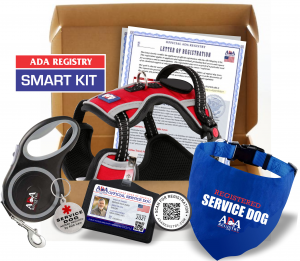
Public Access Kits
$149.00 Learn more This product has multiple variants. The options may be chosen on the product page -
Quick Ship Premium Vests
$48.00 – $82.00 Learn more This product has multiple variants. The options may be chosen on the product page -
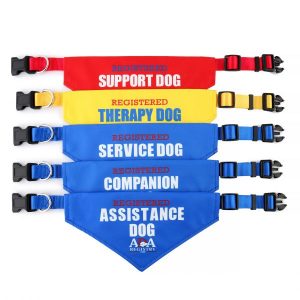
Service Dog Bandana
$39.95 Learn more This product has multiple variants. The options may be chosen on the product page
Custom ID Cards

Custom ID Cards
Custom Service Dog Tags

Official Dog Vests

Smart Vests
Official Public Access Kits
Complete Kits
USA & CANADA Letters

High Quality Bandanas
Service Dog Tags
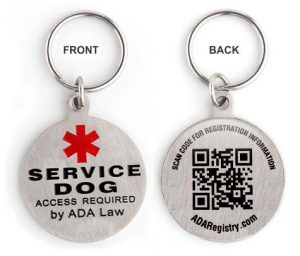
Smart Tags

ESA TAGS